When changing laws means silencing voices
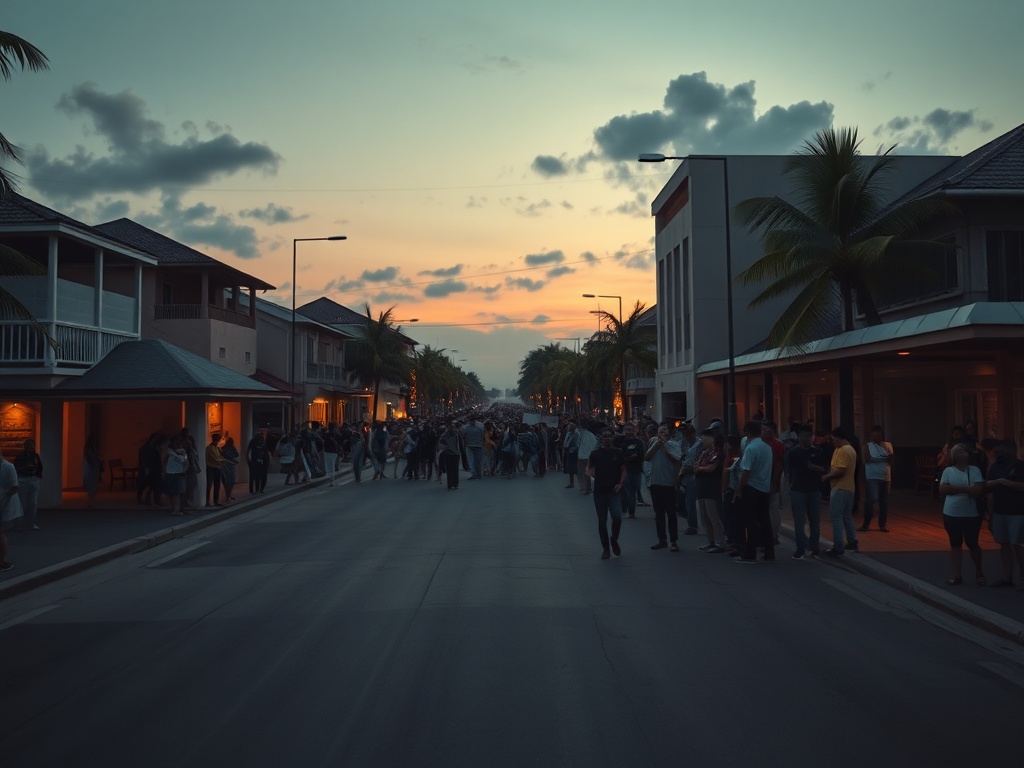
The streets of Malé have become the stage for a growing confrontation between citizens and authority. A new media control law has triggered protests, with many seeing it not as regulation but as suppression. The arrests that followed have only amplified the message that democratic expression is under threat.
This isn't just about legal technicalities—it's about the fundamental relationship between a government and its people. When legislation becomes a tool to quiet dissent rather than facilitate dialogue, it creates a chilling effect that reaches far beyond the journalists directly targeted. Ordinary citizens begin to self-censor, fearing the consequences of speaking truth to power.
The timing and nature of this crackdown reflect a broader pattern emerging in our political landscape. As one voice put it, 'When changing laws means silencing voices,' we must ask what kind of society we're building. Are we moving toward greater openness or closing the space for the robust debate that healthy democracies require?
What makes this moment particularly concerning is how it fits within our nation's recent history of democratic struggles. The Maldives has fought hard for press freedom and civil liberties, making current developments feel like steps backward rather than progress. The protests in the capital represent not just opposition to one law but a defense of hard-won democratic principles.
The government's response will define this chapter in our nation's story. Will it listen to the concerns being raised in the streets and through public discourse, or will it double down on control? The answer will determine whether the Maldives continues its democratic journey or takes a detour toward authoritarianism.