When Concrete Projects Meet Crowded Political Rallies in Malé
In the Maldives, the physical landscape of governance is often measured in concrete and crowds. A government's legacy, critics argue, is visible in the bridges it builds, the towers it erects, the tangible markers of development that outlive political terms. When an administration concludes its tenure with little to show in physical infrastructure, the public rightly questions where the resources have been directed. The concern isn't merely about accounting but about lasting impact—what remains when the banners are folded and the speeches fade.
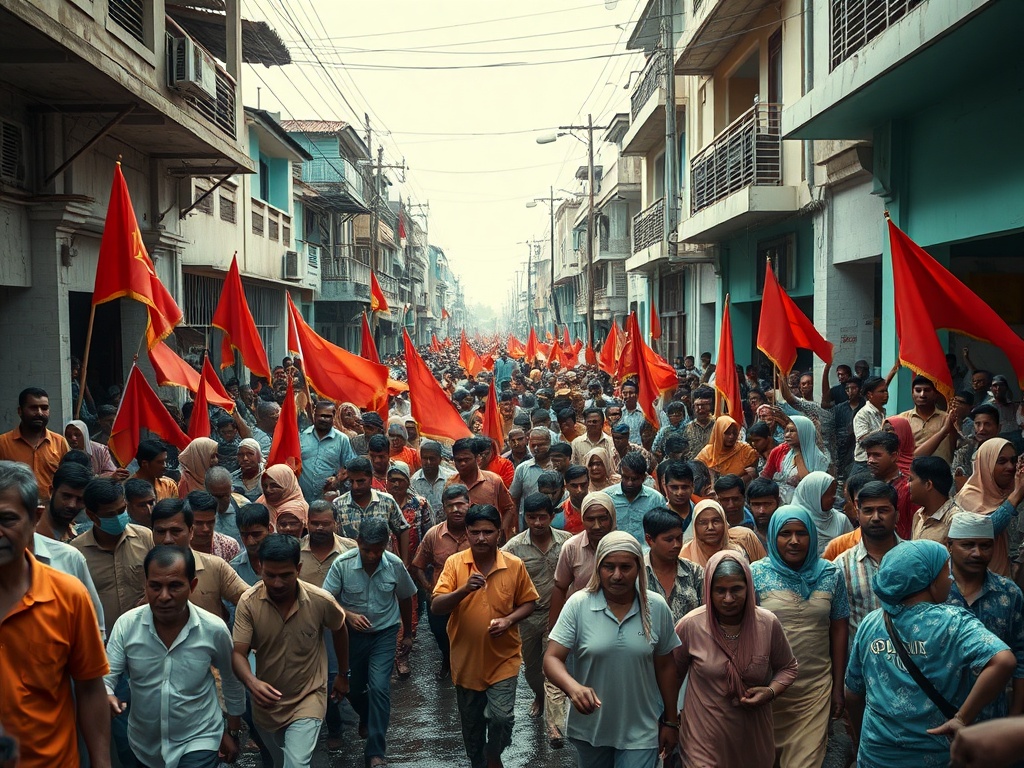
This scrutiny intensifies as current spending patterns emerge. The allocation of significant funds—reportedly 50 million MVR—to transport thousands of citizens to a political rally in Male' strikes many as misplaced priority. The mathematics of mobilization reveal the strategy: gathering 100 people from each of 100 islands creates a crowd of 10,000 that appears monumental in the confined spaces of the capital, yet represents only a fraction of the national population. The spectacle, designed for television and political messaging, aims to project an image of overwhelming support, a 'new mandate' forged through presence rather than policy.
Meanwhile, infrastructure investments continue to concentrate disproportionately in the capital region. The perception persists that Male' receives the lion's share of development budgets, with projects like Ras Male' consuming resources that might otherwise foster regional equity. This centralization fuels skepticism about whether the government's vision extends beyond the coral walls of the capital to embrace the scattered islands that form the nation's geographic and social fabric.
The pattern echoes historical political tactics—the leveraging of crowd size as political currency, the concentration of visible development in urban centers, the creation of opportunities that appear accessible only to those with connections. When a single decision creates intense competition for limited resources, whether pilot training slots or housing allocations, it reinforces public cynicism about who truly benefits from state expenditure.
As budgets are debated and resources allocated, the fundamental question remains whether public money serves permanent national development or temporary political theater. The test of governance may ultimately lie not in the size of crowds gathered for rallies but in the enduring value of investments made for generations.
— Source fragments: male govt keep dumping money on rocks in Male'; physical things he started like towers, bridges etc; Muizzu is spending 50 million MVR on this rally; 100 people from each island creates 10,000 crowd; infrastructure spending concentration in capital