When Consensus Is an Island Too Far
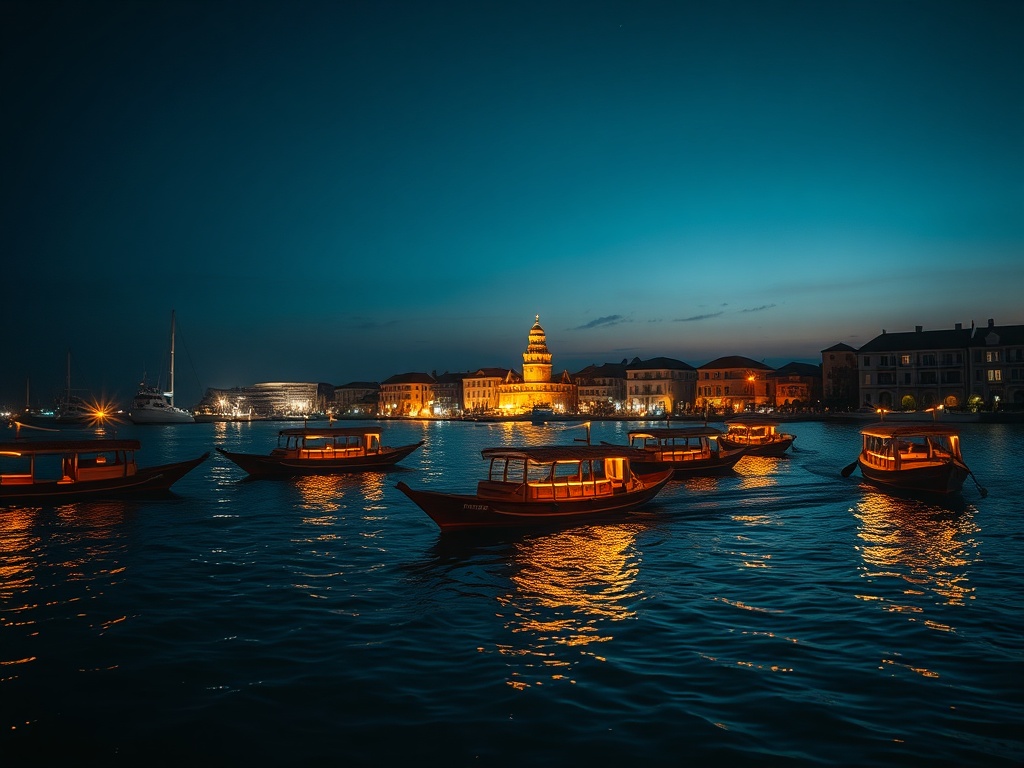
The message arrives like a bottle washed ashore—dated from some European academic circle in 2025, speaking of cultural engineering and global consensus. I read it while watching the evening dhoni boats return to Malé's harbor, their lights flickering against the darkening water. Here, where the sea presses against our crowded island, such discussions feel like they're happening on another planet.
There will never be consensus, the message declares. Not nationally, not globally. Not in time. The words echo with a familiar resignation. How many times have we watched our own debates circle the same drain? Political divisions so entrenched they feel geological, policy changes stalled while the tide keeps rising.
Yet this resignation misses something fundamental about how change actually happens. It's not in those distant academic halls or global forums where futures are shaped, but here—in how a fisherman repairs his net before sunrise, in how a mother navigates medicine shortages with quiet resilience, in how young people still find ways to dream despite the narrowing horizons.
The real work isn't about engineering culture from the top down. It's about the local, the immediate, the human-scale actions that accumulate like coral polyps building a reef. When consensus at the highest levels fails, as it often does, the responsibility doesn't vanish—it simply returns to where it always belonged: to communities, to individuals, to the small, determined acts of care and repair that happen despite the grand impasses.
Perhaps the most important consensus isn't the one we reach with the world, but the one we maintain with ourselves—the agreement to keep going, to find another way, to build what we can with what we have, here where the water meets the land.
— Source fragments: "There will never be consensus on a national level, let alone globally" "In many cases, how you do something matters as much as what you do"