When Dhivehi Slurs Replace Political Arguments
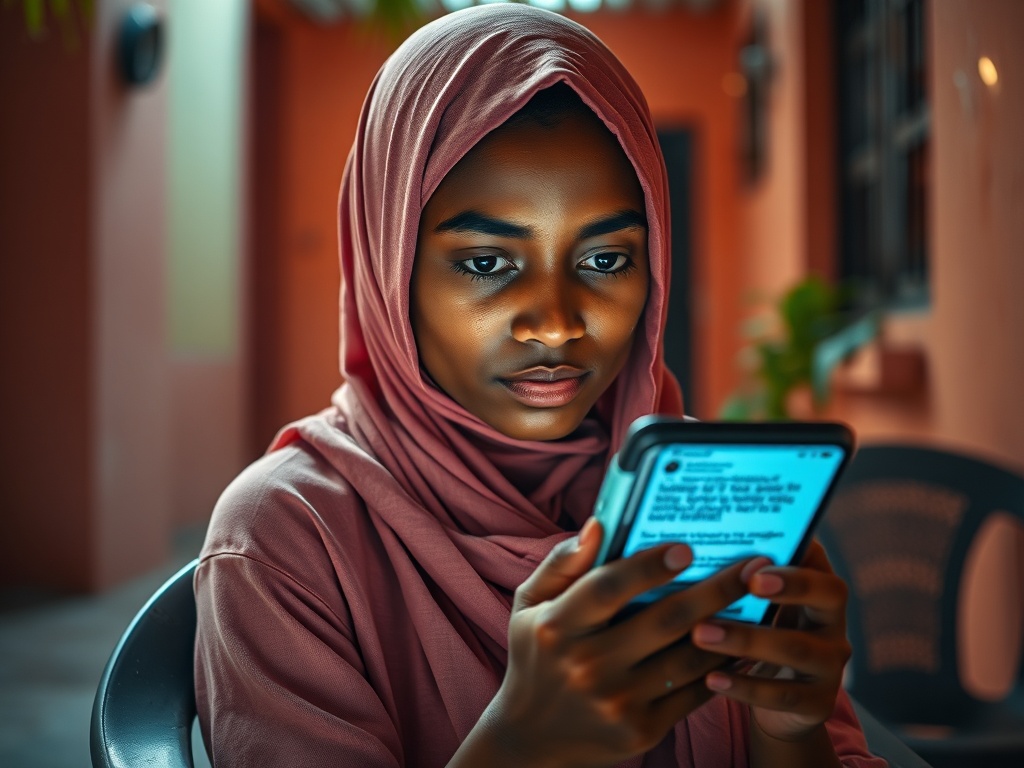
In the digital squares where Maldivians once gathered to exchange ideas, a new vocabulary of violence has taken root. The screens that connect us have become stages for performances of cruelty, where personal attacks replace political arguments and slurs substitute for substance.
The evidence appears daily in comment sections and social media threads: homophobic taunts deployed as ultimate insults, threats disguised as ultimatums, and character assassinations presented as political commentary. This isn't mere rudeness—it's the systematic degradation of public conversation into something darker and more destructive.
What's particularly striking is how these digital behaviors mirror our political realities. The personalization of political conflict—where opponents become enemies to be destroyed rather than citizens with differing views—has found perfect expression online. When someone reduces complex policy debates to accusations about fathers' failures or speculations about romantic rejections, they're participating in a culture that avoids substantive engagement in favor of personal demolition.
The working class, often invoked as political props in these exchanges, deserves better than to have their genuine struggles weaponized as talking points in performative online battles. Their real concerns—the housing shortages, the healthcare inadequacies, the economic pressures—get lost in the noise of personal attacks and manufactured outrage.
This coarsening matters because it shapes what we consider acceptable public behavior. When homophobia becomes casual ammunition, when threats become normalized negotiation tactics, we're not just damaging individual reputations—we're eroding the foundations of civil society. The same digital spaces that could foster democratic deliberation are instead becoming training grounds for incivility.
The solution isn't censorship but consciousness—recognizing that every aggressive post, every careless insult, contributes to a cultural environment that ultimately harms our ability to solve the very real problems facing our nation. The quality of our democracy depends on the quality of our discourse, and right now, we're failing that test.
— Source fragments: Homophobic taunts, personal attacks on family members, threats with time limits, accusations of borrowed opinions, speculation about personal relationships, and general aggressive language