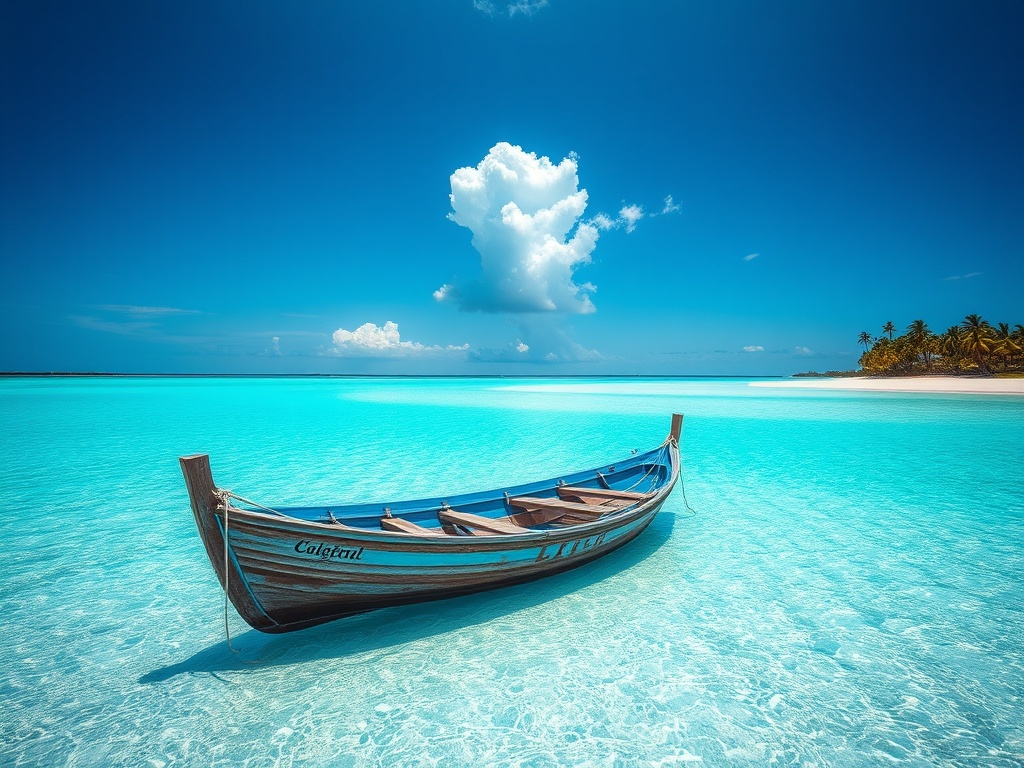
When Distant Storms Reach Our Turquoise Waters
The blue expanse of the Indian Ocean has never felt both so vast and so small. As geopolitical storms rage thousands of miles away, their echoes reach even these coral atolls, reminding us that in our interconnected age, no nation stands entirely apart. The recent discussions about travel restrictions and dual citizenship reveal how global conflicts inevitably touch small island states, forcing difficult conversations about sovereignty and security.
For Maldivians, these international tensions arrive at a particularly sensitive moment. Our nation grapples with its own complex relationship with foreign powers, having recently navigated the 'India Out' campaign that highlighted public anxiety about external influence. The debate over which passports should be welcomed reflects deeper questions about national identity and autonomy in a world where borders are increasingly porous yet fiercely defended.
The economic dimensions of foreign policy decisions cannot be ignored. When nations become embroiled in distant conflicts, the economic repercussions often travel faster than political statements. For a tourism-dependent economy like ours, global instability represents an existential threat. The very tourists who sustain our economy may come from nations involved in conflicts half a world away, creating delicate diplomatic balancing acts.
There's an uncomfortable recognition that actions taken elsewhere inevitably create reactions everywhere. The movement of people across borders—whether as refugees, dual citizens, or economic migrants—demonstrates how interconnected our fates have become. When populations are displaced by conflict, the waves eventually reach even the most distant shores, challenging nations to respond with both pragmatism and principle.
This moment calls for careful navigation. As a small Muslim nation with significant tourism from diverse countries, Maldives must balance moral positions with economic realities. The discussions happening in coffee shops and social media reflect a population trying to reconcile Islamic solidarity with national interest, humanitarian concerns with security considerations.
What emerges is a recognition that in today's world, foreign policy cannot be conducted in isolation. The decisions made in distant capitals affect real lives in Malé and across our islands. As we watch global events unfold, we're reminded that our geographic isolation offers no protection from the consequences of international conflicts—only the responsibility to respond with wisdom and foresight.
— Source fragments: Israel passport banned but still they might be coming to Maldives as they have dual citizenship which not banned by Maldives; You bombed and killed/destroyed other countries and created millions of refugees who are flooding your country too. The consequences of your actions