When Drainage Holes Trap the Sand They Were Meant to Clear
They are supposed to be regularly cleared of sand and debris, these drainage systems that thread through our urban landscape. Yet smaller holes in the design create unintended consequences—trapping sediment that should flow to collection wells, where accumulated debris can cause serious issues for pumps and water management systems. The assumption behind these drains appears straightforward: let water drain naturally into the soil. But reality proves more complicated when maintenance schedules falter and design flaws compound over time.
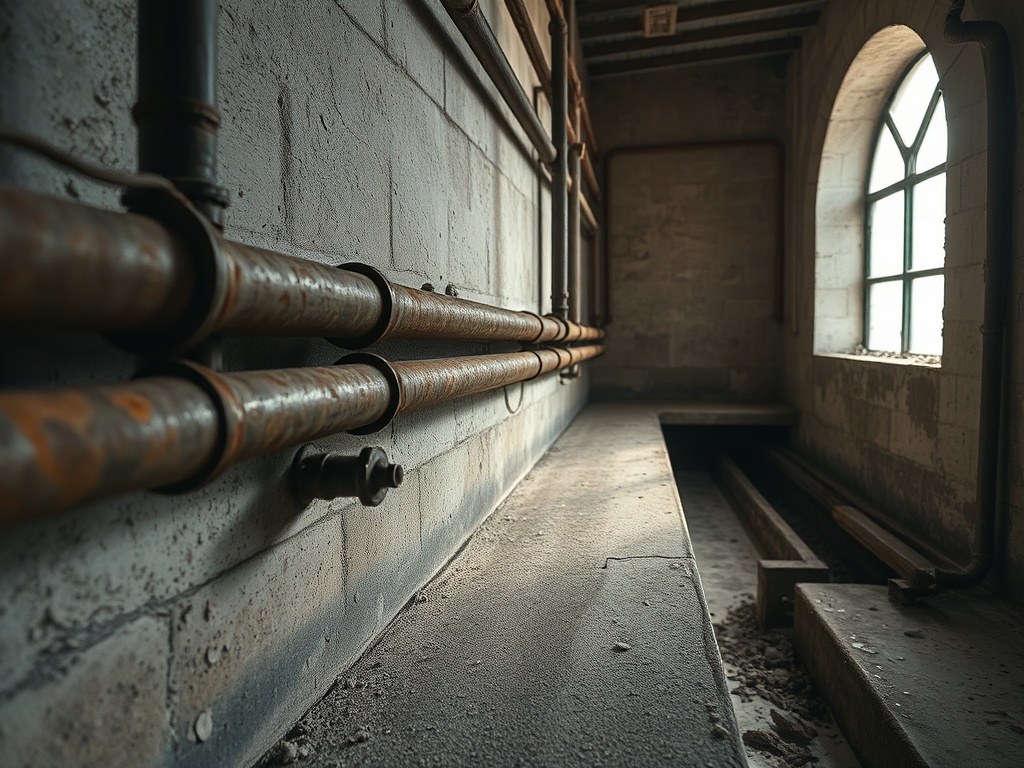
The interior spaces of our public buildings tell a similar story of function overwhelming form. Too many iron pipes remain exposed, creating visual clutter where clean lines should prevail. The aesthetic compromise speaks to a broader pattern where utility trumps beauty, where the practical necessities of infrastructure become permanent features rather than integrated elements.
This visual discord becomes particularly striking when compared to newer developments. A warehouse near a residential area can present cleaner lines, more thoughtful design, and better maintenance than public infrastructure. The contrast raises uncomfortable questions about our priorities in development. Why do commercial structures often receive more design attention than public works? Why does form follow function so reluctantly in our shared spaces?
These observations reflect a deeper tension in how we approach urban development. The exposed pipes represent more than just an aesthetic concern—they symbolize the visible bones of systems that should work seamlessly in the background. The drainage issues point to maintenance challenges that accumulate slowly, until one day the consequences become unavoidable.
In a nation where engineering expertise reaches the highest levels of leadership, these infrastructure shortcomings become particularly telling. They represent not just technical failures but systemic ones—where design, maintenance, and aesthetic consideration exist in separate silos rather than integrated planning processes.
The conversation around these issues isn't about criticizing individual projects, but about understanding patterns. When public infrastructure consistently shows these characteristics—functional but unrefined, practical but unattractive—it suggests a development philosophy that needs reexamination. The balance between immediate utility and long-term sustainability, between bare functionality and community pride, requires more careful calibration.
As our urban environments continue to evolve, these small details accumulate into significant quality-of-life concerns. They become part of the daily experience of moving through our cities, subtle reminders of choices made and priorities set. The challenge lies not in fixing individual pipes or drains, but in rethinking how we approach the entire infrastructure ecosystem—from initial design through long-term maintenance, from functional requirements to aesthetic integration.
— Source fragments: Drainage maintenance issues, exposed pipes aesthetic concerns, comparison to newer warehouse design