When every flat becomes an asset, homes become currency
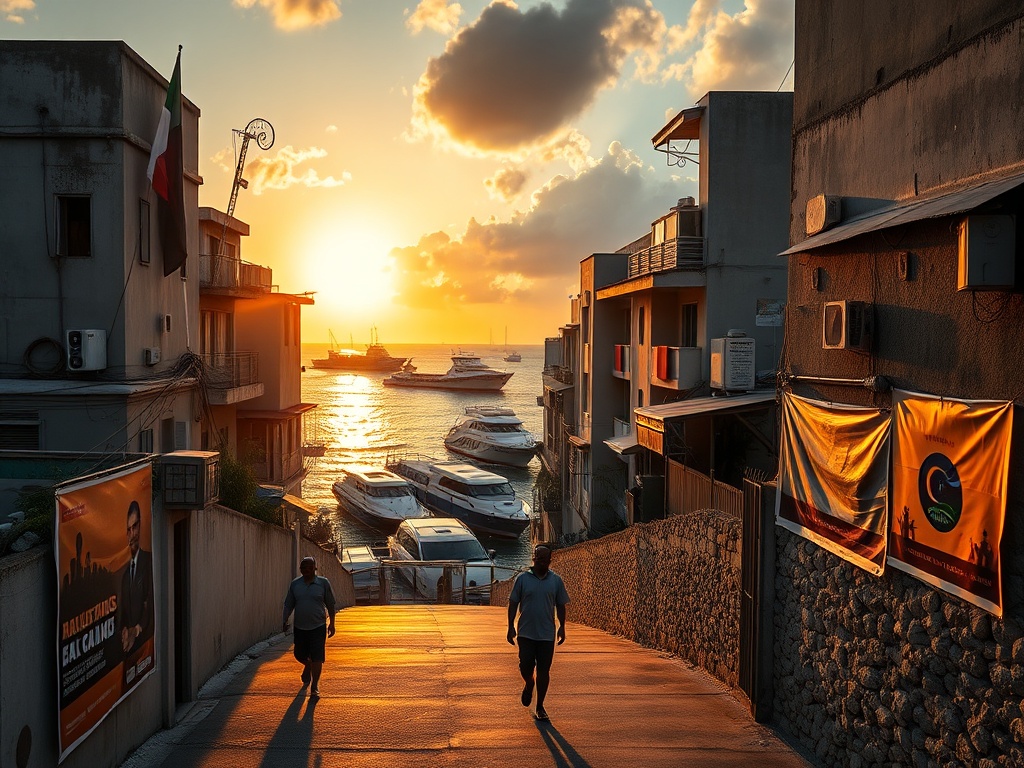
I was walking through Malé yesterday evening, watching the sunset paint the concrete buildings in gold, and I thought about the dhaftharu announcement. Another city registry, another promise of housing for Feydhoo people. We've heard this song before. The melody changes with each election, but the lyrics stay the same – homes as political currency, not human right.
My phone buzzed with another argument about land purchase math. Two brothers going back and forth about numbers, each convinced the other can't do basic calculations. It reminded me of how everything here becomes a debate about who's right, who's wrong, while the real issues get lost in the noise. The former AG gets summoned by ACC, the former Finance Minister under investigation – the headlines scroll by like ferry schedules we've memorized.
What strikes me isn't the corruption itself, but how we've learned to live with it. Like the sea that surrounds us, it's just there – sometimes calm, sometimes stormy, but always present. We argue about math errors while the system itself is the real miscalculation. We debate land prices while forgetting that land should be for living, not just for profit.
I think about the Bank of Maldives branch opening in Kanditheemu next year. Another ribbon-cutting, another speech. The president reads words someone else wrote, and we watch, knowing this dance by heart. It's not about whether the math is wrong in someone's Facebook post – it's about the larger equation that never seems to balance for ordinary people.
The expatriates keep coming, the resorts keep making money that stays overseas, and we keep having the same conversations. Housing crisis, foreign currency shortages, youth leaving or turning to drugs – these aren't separate problems. They're all symptoms of the same disease: a system where everything has become transactional.
Yet there's something beautiful in our persistence. We still argue about math, still care enough to correct each other, still hope that maybe this time the dhaftharu will be different. Maybe this time the investigation will lead somewhere. Maybe this time the bank branch will actually serve the people who need it.
We're like the fishermen who go out every morning despite knowing the catch might be small. We keep engaging, keep debating, keep hoping – not because we're naive, but because giving up would mean letting the sea win. And Maldivians don't surrender to the ocean, no matter how rough the waters get.