When Garudhiya Meets the Takeaway Box
The question hangs in the digital air like the steam rising from a cooking pot: "So we don't have to eat garudhiya anymore?" It's more than a query about dietary preferences—it's a cultural marker, a generational divide, and a reflection of changing tastes in a nation navigating tradition and modernity.
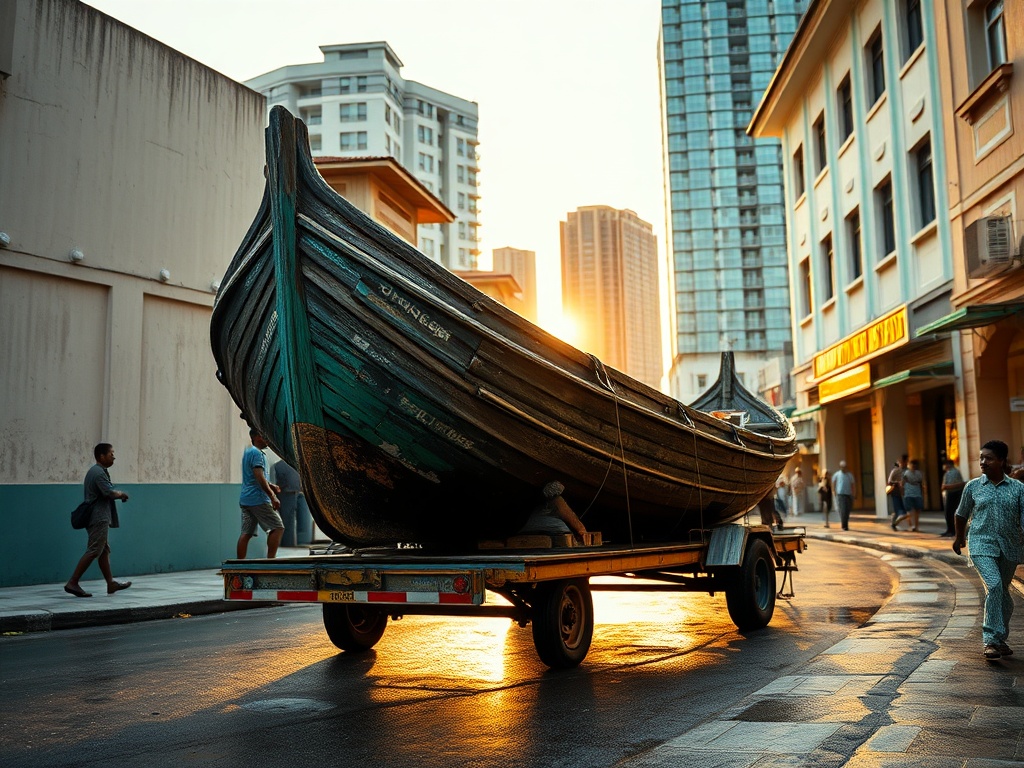
Garudhiya, the clear fish broth that has sustained Maldivians for generations, represents more than sustenance. It's the taste of home, of islands, of a way of life deeply connected to the sea. Yet the follow-up image—"Gaumeeyath on a trailer"—captures the paradox of contemporary Maldivian life. Traditional fishing boats, once the primary means of transportation between islands, now find themselves hauled on trailers, becoming artifacts of a disappearing way of life even as they remain symbols of cultural identity.
This tension between preservation and progress manifests in unexpected ways, including in discussions about health and body image. The repeated observation that "an average US American is more galhi than an average South Asian" speaks to globalized standards of beauty and health colliding with local realities. As Maldivians increasingly look outward through travel, education, and digital connectivity, traditional markers of prosperity and health are being recalibrated against international norms.
The conversation reflects a society in transition—where the familiar scent of garudhiya cooking might compete with imported food options, where traditional boats become museum pieces while modern transportation connects islands, and where body image conversations reflect both local values and global influences. These aren't just casual observations but indicators of a culture negotiating its relationship with its own traditions while engaging with a rapidly changing world.
What emerges is not a rejection of tradition but a renegotiation of its place in modern Maldivian life. The question isn't whether garudhiya will disappear from Maldivian tables, but how it will coexist with new culinary influences. The trailer carrying the gaumeeyath doesn't signify abandonment but adaptation—a recognition that cultural symbols can find new meanings even as they retain their historical significance.
In this evolving landscape, the most enduring traditions may be those flexible enough to travel—whether on trailers or in memory—while remaining authentically Maldivian.
— Source fragments: So we don't have to eat garudhiya anymore? Gaumeeyath on a trailer, an average US American is more galhi than an average South Asian.