When Hatred Washes Ashore
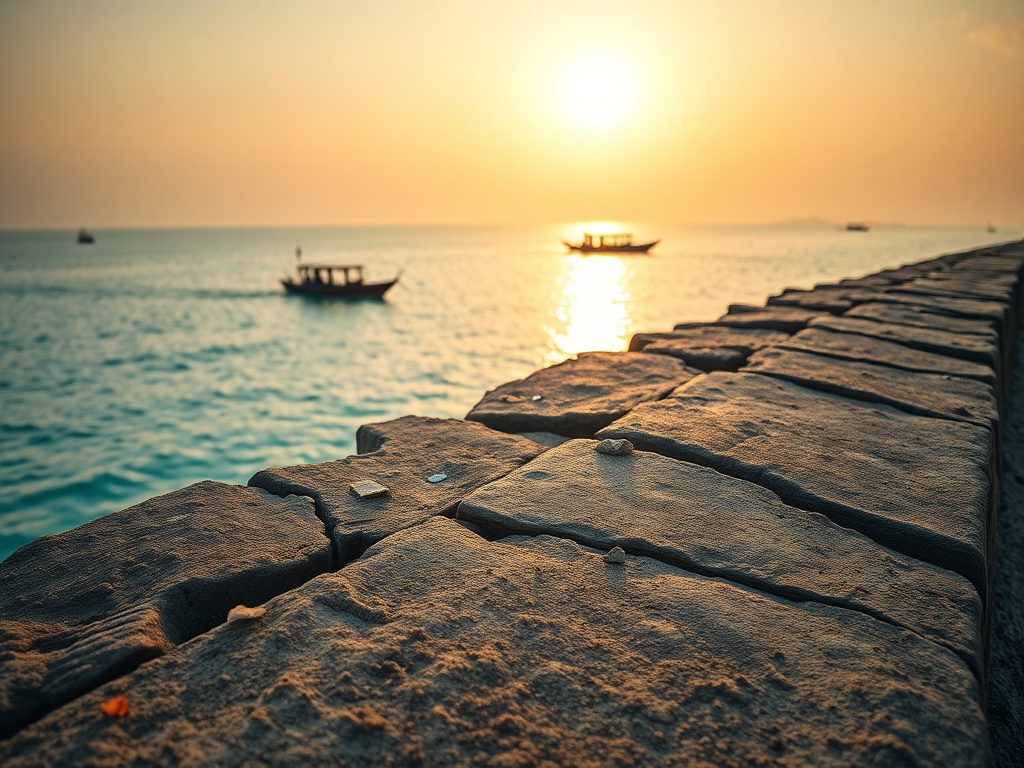
The messages wash up like plastic bottles on the reef—ugly, foreign things that don't belong in these turquoise waters. I read them sitting on the sea wall, the morning sun warming the coral stone beneath my palms. The accusations, the venom, the recycled hatred from distant lands—it feels alien here, where the ocean teaches us about both separation and connection.
In our small island communities, we know the danger of letting poison into the water supply. A single contaminated well can sicken an entire island. These words are like that—toxins smuggled across digital currents, threatening to pollute the careful coexistence we've built across these atolls. The sea has always been our greatest teacher about boundaries and bridges, about how to maintain our identity while navigating the vastness between us.
I watch a fishing dhoni return to the harbor, its crew a mix of Maldivian and foreign workers moving in practiced harmony. They've spent the night harvesting from the same ocean, sharing the same boat, breathing the same salt air. Their survival depends on this cooperation, not on ancient hatreds imported from elsewhere. The real conspiracy isn't some shadowy plot—it's the lie that we gain something by dehumanizing others.
Later, walking through the local market, I see the intricate ecosystem of our daily lives—the Bangladeshi shopkeeper weighing onions, the Sri Lankan mechanic fixing a scooter, the Maldivian grandmother bargaining for fish. This is the reality, not the digital fantasies of superiority and blame. The true test of any community isn't how well it excludes, but how gracefully it accommodates difference while preserving its soul.
The tide is turning now, water whispering against the seawall. I think about how many such tides these islands have witnessed—colonial powers, trading ships, tourists, all coming and going while the atolls endure. Hatred, like the ocean, has its rhythms. But we who live between sea and sky know that the most durable things aren't the loudest waves, but the silent coral foundations that withstand them.
— Source fragments: no. jews have proven beyond a doubt that they dont deserve a state, homeland or even right to political participation