When High-Profile Cases Vanish from Malé's Court Dockets
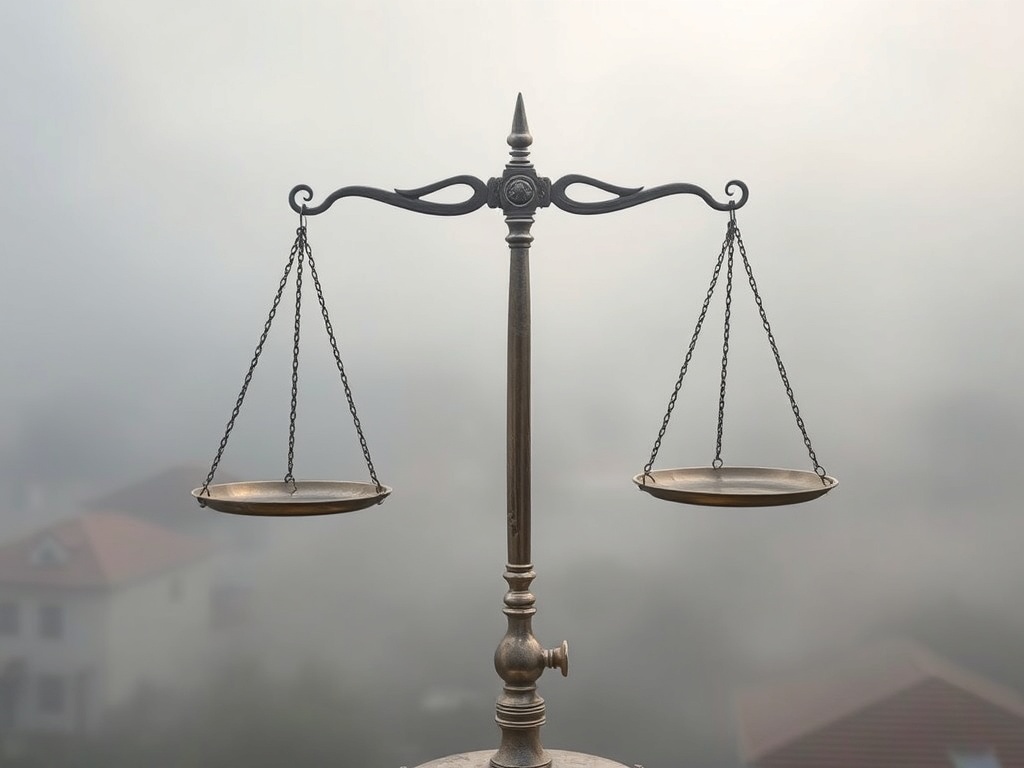
In the corridors of Maldivian justice, a quiet unease has settled—a sense that the scales no longer balance equally. What was once a system built on the promise of impartiality now faces mounting skepticism from citizens who watch cases disappear into bureaucratic oblivion. The concern isn't just about delayed justice, but about justice that seems to vanish altogether.
The pattern has become familiar: high-profile arrests make headlines, public interest peaks, and then—silence. Investigations stall without explanation, court dates evaporate, and the public is left wondering what happened to the pursuit of truth. This phenomenon cuts across cases, from recent child offender arrests to corruption investigations that once dominated political discourse.
At the heart of this concern lies a fundamental question about institutional independence. When judicial bodies require government approval for basic functions, the line between justice and politics becomes dangerously blurred. The result is a system where cases appear to move forward based on political convenience rather than legal merit.
The selective nature of justice has become particularly visible in the handling of public figures. When family connections or political affiliations appear to influence whether someone's photograph appears in criminal announcements, it suggests a two-tiered system—one for the connected, another for everyone else. This isn't merely about procedural inconsistency; it's about the erosion of public trust in the institutions meant to protect citizens.
The frustration isn't just about high-profile cases. Ordinary citizens watching from the sidelines see a system where basic qualifications for judges can be dismissed as "symbolic," where investigations stall without explanation, and where the loudest voices—rather than the most compelling evidence—sometimes seem to drive judicial attention.
What emerges is a justice system struggling with its own identity. Is it an independent arbiter of truth, or an extension of political power? The answer matters not just for those directly involved in legal proceedings, but for every citizen who depends on the system to protect their rights and resolve their disputes.
The consequences extend beyond individual cases. When justice becomes perceived as selective or politically influenced, it undermines the social contract that binds a nation together. People begin to question whether following the rules matters when the rules appear to apply differently to different people.
This isn't merely a legal problem—it's a societal one. The health of any democracy depends on citizens believing that their institutions will treat them fairly, regardless of their background, connections, or political views. When that belief erodes, the foundation of trust that enables society to function begins to crumble.
The solution isn't simple, but it begins with transparency. Regular public updates on case progress, clear explanations for investigative delays, and consistent application of procedures regardless of political affiliation would represent important steps toward rebuilding confidence. Justice shouldn't be something that happens behind closed doors—it should be visible, understandable, and accessible to all.
In the end, the measure of a justice system isn't found in its most high-profile cases, but in its consistent application of principles. When citizens can no longer predict how the system will respond to similar situations, when cases disappear without explanation, and when political considerations appear to influence legal outcomes, the system itself requires examination—not just individual cases within it.
— Source fragments: Justice is no longer served in Maldives; judiciary needs government permission; cases disappearing into thin air; selective publication of criminal photos based on connections; judicial qualifications deemed symbolic