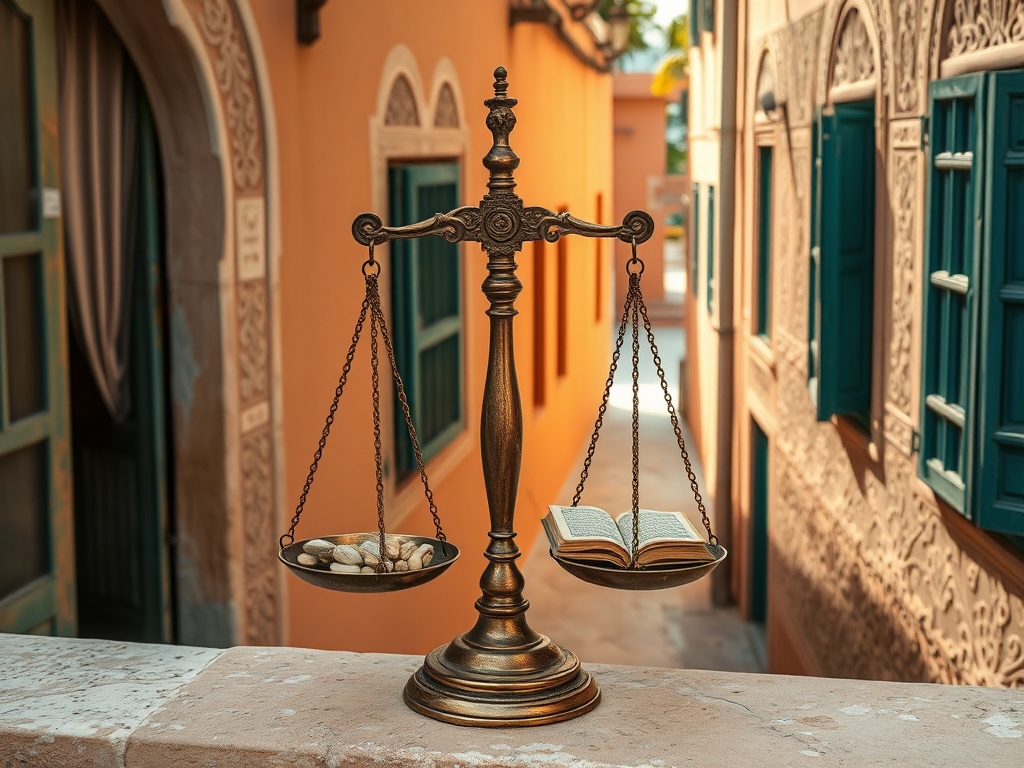
When Human Rights Meet the Attorney General's Islam Test
In a statement that echoes through the corridors of power and the narrow streets of Malé, the Maldives' Attorney General has articulated a position that defines the nation's approach to human rights: protection guaranteed, but only insofar as it does not contradict Islam. This formulation, with "human" as the operative word, represents more than legal nuance—it captures the ongoing negotiation between universal rights and religious doctrine in the Indian Ocean archipelago.
The declaration comes at a time when the Maldives grapples with multiple governance challenges, from concerns about eroding political rights to a judiciary perceived by critics as increasingly politicized. The statement serves as both a reassurance and a boundary marker, affirming the government's commitment to human rights while clearly delineating the limits of that commitment.
This positioning reflects the complex reality of a nation where constitutional frameworks must coexist with deeply rooted religious traditions. The Maldives Constitution itself recognizes Islam as the state religion, creating a legal landscape where rights and religious principles are inherently intertwined. The Attorney General's formulation acknowledges this reality while attempting to navigate the tensions that inevitably arise.
Critics argue that such qualifications risk creating a hierarchy of rights, where certain protections become conditional rather than universal. They point to ongoing concerns about freedom of expression and political participation as areas where religious justifications might limit fundamental freedoms. Supporters, however, see the approach as necessary for maintaining social cohesion and preserving the nation's Islamic identity.
The debate takes place against a backdrop of significant socio-economic challenges—youth unemployment, housing shortages, and a cost-of-living crisis that affects ordinary Maldivians regardless of their political or religious views. These material concerns often intersect with questions of rights and governance, creating a complex tapestry of public priorities.
As the Maldives continues to develop its legal and political institutions, the balance between human rights protections and Islamic principles will likely remain a central theme. The Attorney General's statement serves as a reminder that in this island nation, the conversation about rights is not abstract but deeply embedded in the cultural and religious fabric of society. How this balance is struck will shape the Maldives' development trajectory and its place in the international community for years to come.
— Source fragments: Maldives: Attorney general says country will protect human rights, but only in a way that does not contradict Islam "Human" the operative word.