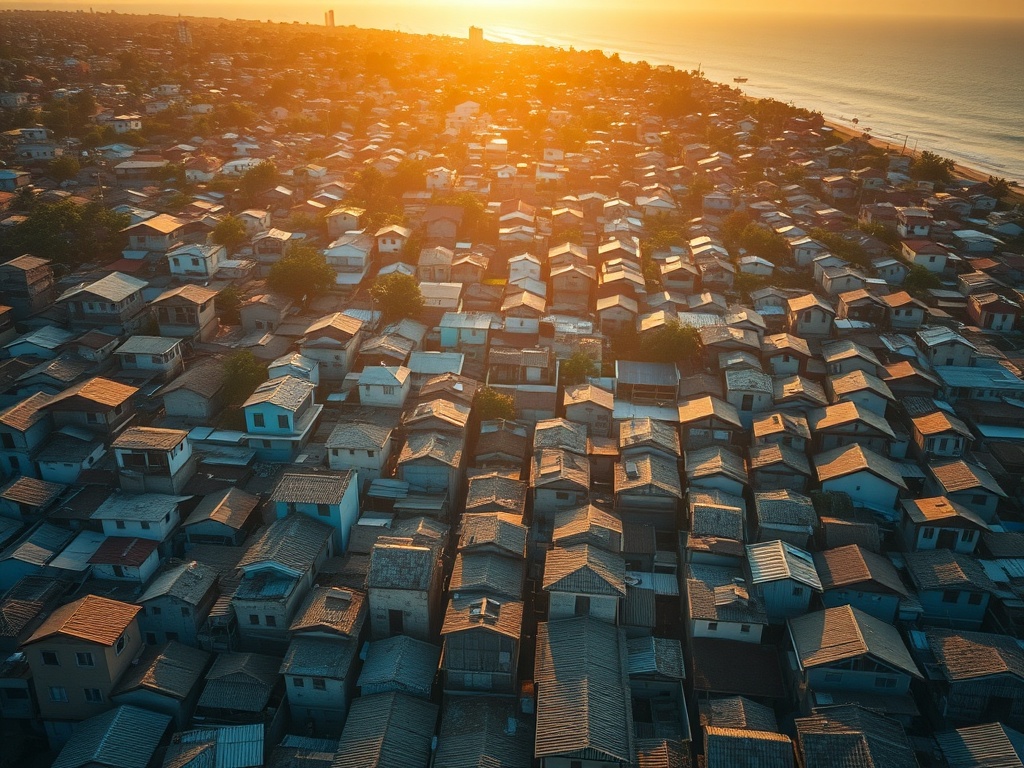
When Land Allocations Deepen the Divide in Our Atolls
Across the scattered atolls of the Maldives, a quiet realization is taking hold: the very systems designed to provide stability and opportunity have become instruments of inequality. The distribution of land—that most fundamental of resources in an island nation—has become emblematic of broader governance failures that affect citizens at every level.
The current approach to land allocation reflects a pattern seen throughout Maldivian public life: resources intended for public benefit become entangled in political calculations. What should be straightforward administrative processes are instead subject to the shifting winds of electoral politics, with land and housing becoming currency in political transactions rather than rights of citizenship.
This system creates cascading effects throughout society. In Malé, where space is among the nation's most precious commodities, the housing crisis persists despite numerous government initiatives. Subsidized housing intended for those most in need often ends up in the hands of those with political connections, while genuine applicants wait indefinitely. The practice of subleasing these properties for profit by absentee leaseholders demonstrates how well-intentioned programs can be subverted when oversight is weak and accountability absent.
The call for halting land distribution entirely represents more than just frustration with housing shortages. It reflects a deeper understanding that temporary suspension might force the comprehensive re-evaluation our systems desperately need. When resources are distributed through flawed mechanisms, continuing the distribution only perpetuates the flaws. Sometimes the most responsible course is to pause and repair.
This perspective acknowledges that we are all, to varying degrees, victims of systems that no longer serve their intended purpose. The architect, the fisherman, the teacher, and the entrepreneur all navigate the same bureaucratic labyrinths and political favoritism. The difference lies only in degree of disadvantage, not in kind.
A moratorium on land distribution would not be an endpoint but a beginning—an opportunity to design systems that prioritize transparency, need, and long-term planning over short-term political gain. It would force conversations about what fair distribution actually means in practice, about how to balance development with preservation, and about how to ensure that the nation's limited land benefits the many rather than the few.
In a country where every square meter of habitable land represents both history and future possibility, how we allocate this resource speaks volumes about our values as a society. The current system tells a story of exclusion and privilege. A reformed approach could tell a different story—one of equity, sustainability, and shared prosperity.
— Source fragments: No question that we're all victims of a faulty system at various degrees. Which is why the only fair solution I can think of is halting land distribution all together. Everywhere in Maldives.