When Land Belongs to You, But the House Does Not
The conversation around land ownership in the Maldives reveals a nation grappling with competing visions of justice, equity, and economic reality. At the heart of this debate lies a fundamental question: what does it mean to belong to a place, and what rights should that belonging confer?
Across social media platforms and public discourse, Maldivians are articulating sharply divergent views on land distribution. Some advocate for a unified approach where any citizen can buy or obtain land anywhere in the country, arguing that regional distinctions like 'Malé meeha' versus 'Raajjetherey meeha' perpetuate unnecessary divisions. This perspective champions mobility and choice as fundamental rights of citizenship.
Yet the reality of precedent complicates this idealistic vision. Free land handouts have become embedded in Maldivian political culture, creating expectations and entitlements that are difficult to unwind. The Binveriya scheme and similar initiatives have established that where you're from matters profoundly when it comes to accessing one of the nation's most scarce resources.
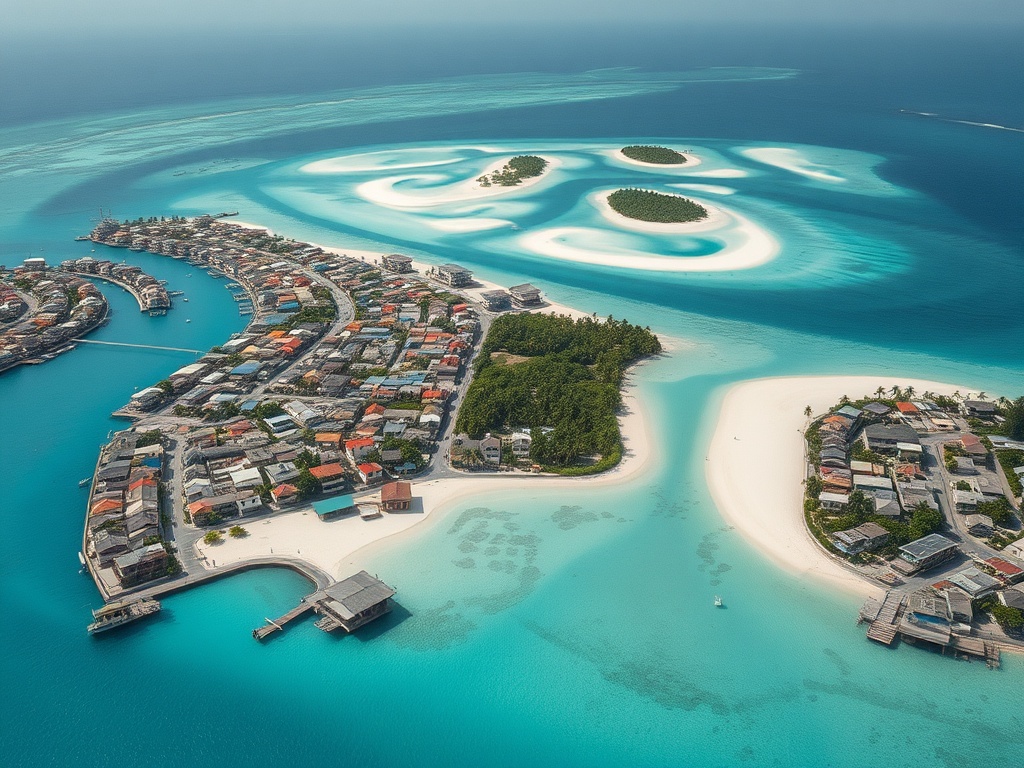
The economic dimensions of this debate highlight striking disparities. A 2000 square foot plot in the atolls might be valued at 300,000 to 500,000 Rufiyaa, while a 200 square foot parcel in Malé commands millions—a differential that reflects the intense pressure on space in the congested capital. This valuation gap underscores how geography dictates opportunity in an archipelago nation.
Critics of current systems point to a troubling paradox: citizens often demand socialist-style free land distribution while resisting capitalist-style regulation of that same land. The same people who expect the government to provide land at no cost may oppose measures to ensure these properties serve as primary residences or prevent tax burdens from being passed to tenants.
Proposed solutions reflect this complexity. Some suggest conditional ownership—land given freely but with strict requirements about residency and use. Others advocate for market-based approaches where land is purchased rather than granted, though this risks exacerbating existing inequalities. The most pragmatic voices acknowledge that while ideal systems might exist in theory, the Maldivian public may not be ready for the political courage they would require.
What emerges from these conversations is not just a policy debate but a reflection of how Maldivians understand citizenship, community, and their relationship to the islands they call home. The land question ultimately becomes a mirror for larger questions about what kind of society the Maldives wants to become—and who gets to decide.
— Source fragments: Multiple tweets discussing land policy, free land schemes, regional distinctions in eligibility, economic valuations of land in different regions, and philosophical positions on ownership and entitlement