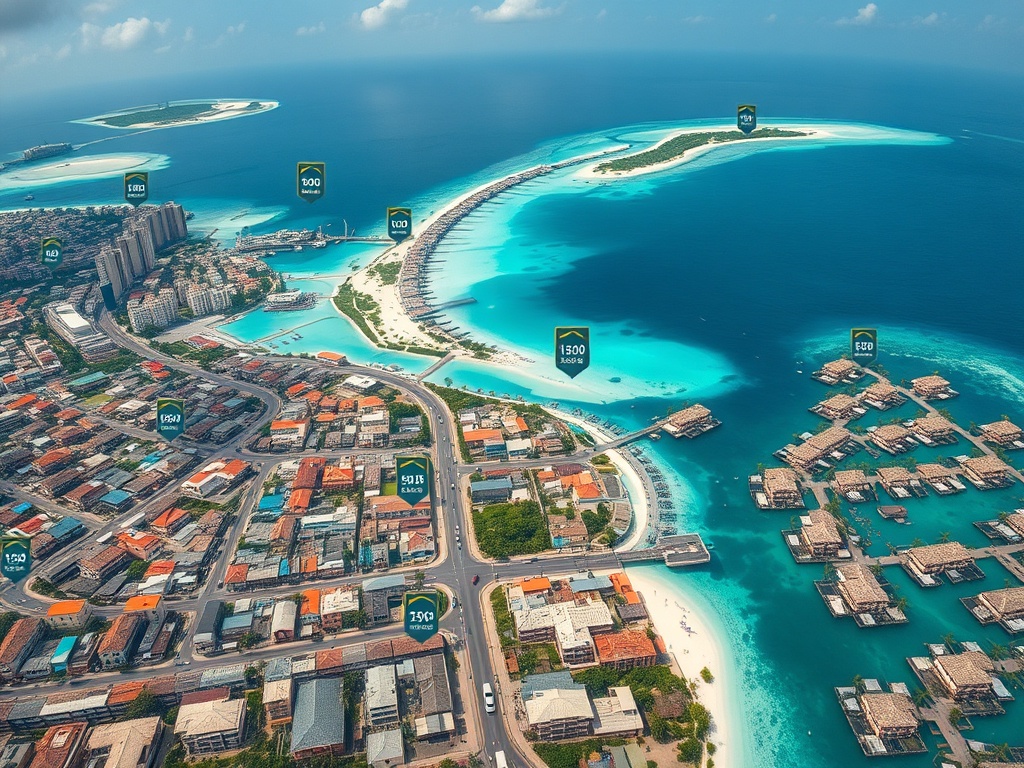
When Land Is a Prison You Cannot Sell
The question hangs in the salty air, as persistent as the sea breeze: if you cannot wean yourself from the land, if you cannot use it for anything else, then what is it? In the Maldives, land is not just soil and sand—it is identity, security, and sometimes, a prison of circumstance.
Across the scattered atolls, voices rise with competing visions. Some argue for unity—that any Dhivehin should be able to settle anywhere, buy land, sell it, move freely between islands as the heart dictates. The dream is fluidity, the breaking down of barriers between Malé meeha and Raajjetherey meeha. Yet reality paints a different picture: a 2000 square foot plot in Hithadhoo might be worth 300,000 Rufiyaa, while a mere 200 square feet in Malé commands millions. The mathematics of dirt reveals the geography of desire.
Beneath these policy debates lies the quiet truth of human capability. There are those who will never navigate the formal education system, who hold no certificates yet possess skills carved from experience. How do we measure worth in a society increasingly obsessed with paperwork? Their expertise exists in the spaces between policy, in the unregistered knowledge of currents, construction, and community.
The tension between free land and fair use weaves through these conversations. If land is given for living, should it remain a primary residence? Can we create systems where rental income is taxed without burdening tenants? The precedents have been set—land has become political currency, handed out in elections, creating expectations that now shape public discourse.
Meanwhile, development continues. Environmental impact assessments for reclamation projects document the delicate balance between progress and preservation. Each scoop of sand shifted, each reef altered, writes another chapter in our relationship with the limited ground beneath our feet.
Ultimately, the land will end up with the landowners, as one voice notes with resignation. But perhaps the deeper question is not who owns the land, but what the land owns of us—our dreams, our conflicts, our shared future on these fragile islands where every square foot must serve multiple masters: home, investment, heritage, and hope.
— Source fragments: technically maybe not, but if you can't yourself wean out of the land and use it for anything else then what is it?; I think the correct policy is not to differentiate between Male' meeha or Raajetherey meeha; the thing is there are people who will not go through the education system no matter what; I don’t believe in free land handouts to begin with; About land: I believe land for living shall be given for free; EIA for the proposed road development and land reclamation; A 2000 sqft land in S. Hithadho on average is worth about 300-500k I believe. A 200sqft land in Male’ is still worth millions; Ultimately the land will end up with the landowner