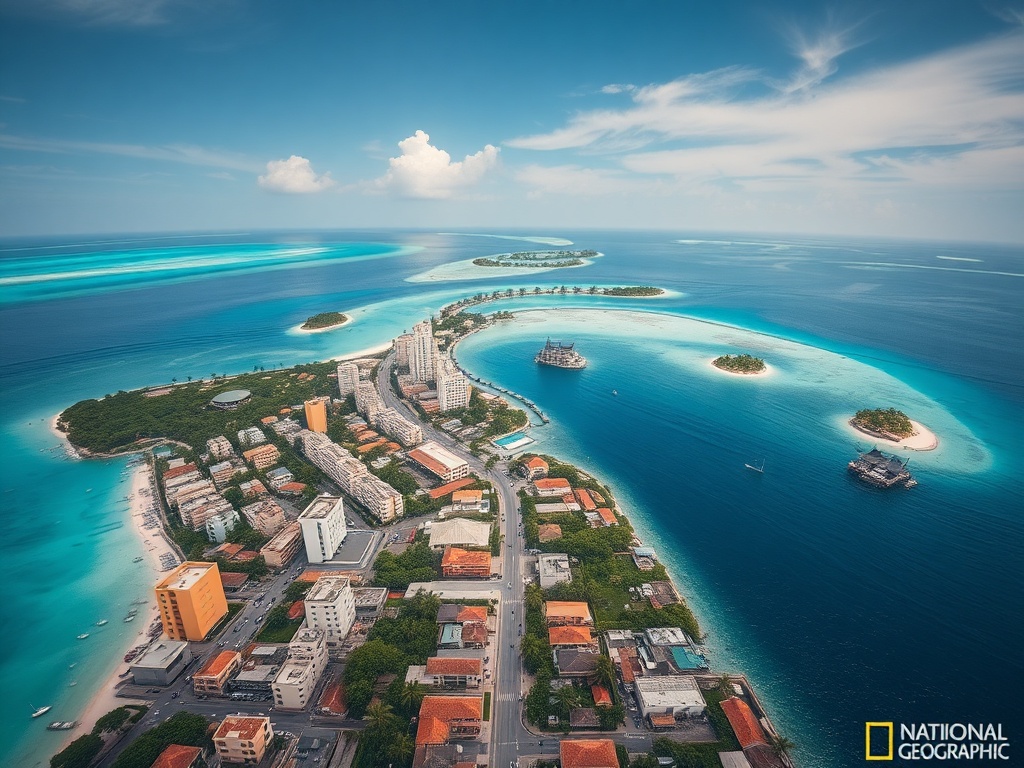
When Land Is More Than Soil and Sand
The question hangs in the humid air, heavy as the monsoon clouds gathering over the atolls: 'If you can't wean out of the land and use it for anything else, then what is it?' It's a question that echoes across the scattered islands of this nation, where land is more than just soil and sand—it's identity, heritage, and sometimes, a cage.
In the cramped spaces of Malé, where a 200-square-foot plot can be worth millions while a generous parcel in the outer islands might fetch a fraction, the mathematics of belonging becomes complicated. The debate between 'Malé meeha' and 'Raajjetherey meeha' reveals a deeper fracture in our collective psyche. Should any Dhivehin be free to settle where they choose, to buy and sell and move as life demands? Or does the land hold us in ways we cannot easily escape?
This tension extends beyond property rights to the very skills that define us. There are those who move through life without certificates or formal education, yet possess expertise that builds our communities. How do we honor this practical wisdom in a system that increasingly values paperwork over proficiency?
The discussion of free land handouts and primary residence requirements reflects our struggle to balance fairness with reality. Some argue that if land is given, it should be for living, not profit—a home, not an investment. The suggestion that rental properties should be taxed in ways that protect tenants speaks to our concern for community over commerce.
Meanwhile, environmental impact assessments for developments in places like North Hithadhoo remind us that land isn't just a political or economic commodity—it's the physical ground beneath our feet, the shoreline that defines our horizons, the ecosystem that sustains us.
Ultimately, the land question becomes a mirror for our values. In a nation where space is limited and dreams often expansive, how we distribute and use land reveals who we believe deserves to belong, to prosper, to call this archipelago home. The land may end up with the landowners, as one voice notes, but first, it belongs to all of us who call these islands our own.
— Source fragments: technically maybe not, but if you can't yourself wean out of the land and use it for anything else then what is it?; I think the correct policy is not to differentiate between Male' meeha or Raajetherey meeha. Any dhivehin who wants to settle in any island shall be able to buy or obtain land for that purpose; I don’t believe in free land handouts to begin with; About land: I believe land for living shall be given for free; That is simply not true. A 2000 sqft land in S. Hithadho on average is worth about 300-500k I believe. A 200sqft land in Male’ is still worth millions; Ultimately the land will end up with the landowner