When Land Is Soil You Cannot Build On
The conversation about land in Maldives begins with a fundamental question: what is land if you cannot use it? If it sits beneath your feet but cannot be transformed into shelter, livelihood, or legacy, does it remain just soil? This question echoes across our scattered islands, where every plot carries the weight of history and the tension of modern needs.
There are those who argue against differentiation between Male' meeha and Raajjetherey meeha—that any Dhivehin should be free to settle where they choose, to buy land for purpose, to sell when life calls them elsewhere. This vision of mobility speaks to something deeply human: the desire to belong wherever one plants roots. Yet reality presents land values that tell a different story—a 2000 square foot plot in Hithadhoo whispers at 300,000 Rufiyaa while the same space in Male' shouts in millions.
The debate extends beyond ownership to use. Some advocate for free land for living, but with conditions: it must be a primary residence, not an investment vehicle. If rented, taxation should prevent passing costs to tenants—a system designed to preserve the sacred nature of shelter. Others reject free handouts entirely, acknowledging the uncomfortable precedent already set in our political landscape.
Meanwhile, there are people who will never navigate the formal education system, yet possess skills and expertise that remain uncaptured by policy. Their hands know the sea, their eyes read weather patterns, their minds solve practical problems that certificates cannot measure. How do we value this knowledge when land policy intersects with livelihood?
The environmental assessments for developments like North Hithadhoo remind us that land is not just commodity—it is ecosystem, heritage, and future. Every reclamation, every road, every structure changes the relationship between people and place.
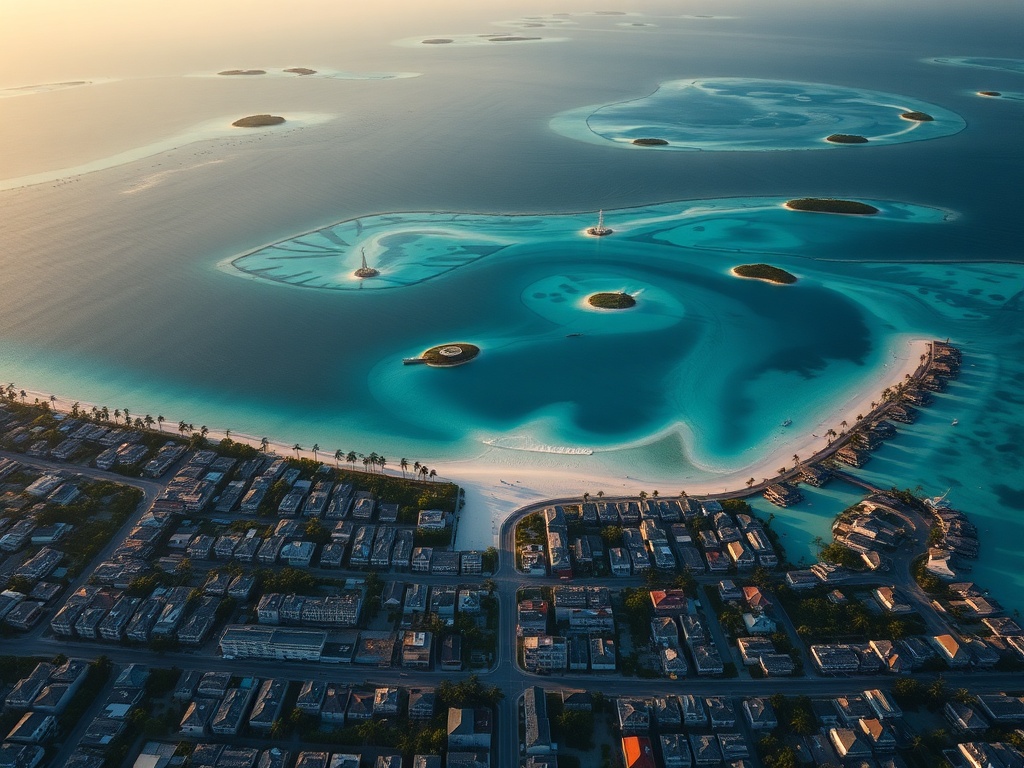
Ultimately, land will end up with the landowners, as one voice observes. But what does that mean for a nation of islands where space is finite and dreams are infinite? Perhaps the true question isn't who owns the land, but what the land owns of us—our memories, our aspirations, our very identity as people of these scattered emerald dots in a vast blue sea.
— Source fragments: technically maybe not, but if you can't yourself wean out of the land and use it for anything else then what is it?; I think the correct policy is not to differentiate between Male' meeha or Raajetherey meeha; the thing is there are people who will not go through the education system no matter what; I don’t believe in free land handouts to begin with; About land: I believe land for living shall be given for free; A 2000 sqft land in S. Hithadho on average is worth about 300-500k I believe. A 200sqft land in Male’ is still worth millions; Ultimately the land will end up with the landowner