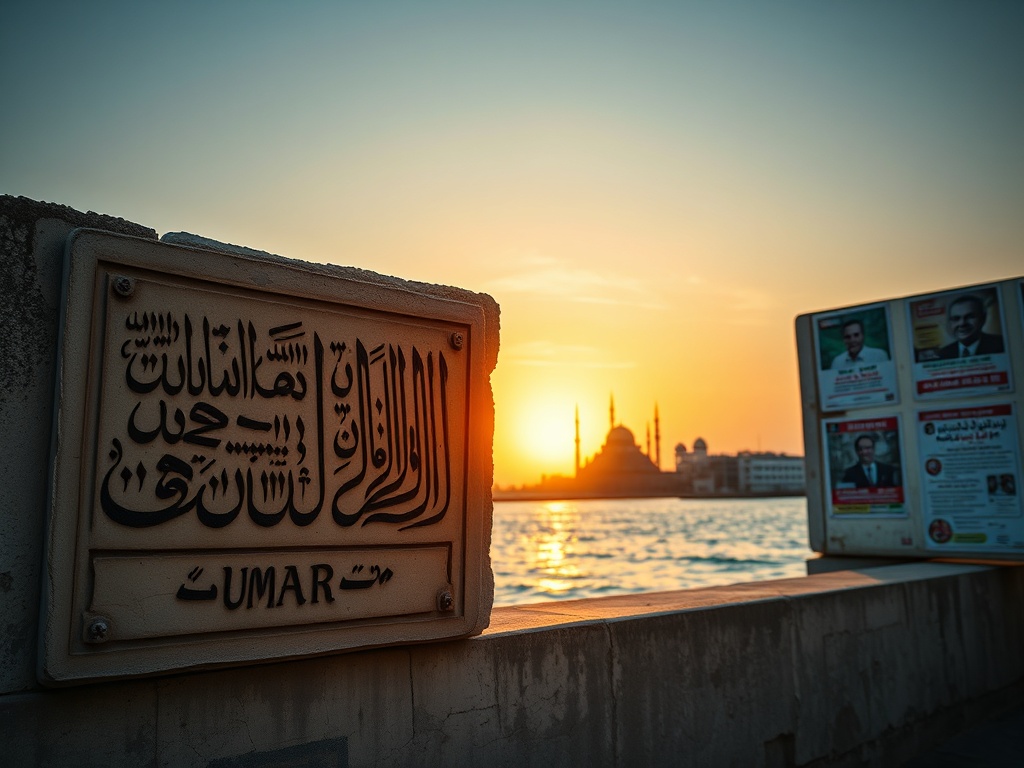
When Maldivian Politicians Claim to Be Umar ibn Abd al-Aziz
In the heated arena of Maldivian politics, certain comparisons carry more weight than policy debates or campaign promises. The suggestion that a contemporary political figure could be likened to Umar ibn Abd al-Aziz, the revered 8th-century caliph known for his piety and justice, represents more than just political hyperbole—it touches the very nerve of how religion and governance intersect in this Muslim nation.
The outrage such comparisons provoke stems from a fundamental tension in Maldivian society. As the country navigates complex economic challenges—from foreign currency shortages to a housing crisis in Malé—political discourse often retreats to familiar battlegrounds of religious and cultural identity. The instinct to label opponents as 'mullahs' or demand they 'go back to where you belong' reflects a society grappling with competing visions of its future.
This rhetorical landscape exists against a backdrop of genuine governance challenges. With allegations of politicized judiciary, nepotism in appointments, and high-profile corruption cases involving former leaders, the public's trust in institutions has been strained. When political arguments escalate into religious comparisons, they often serve as proxies for deeper frustrations about accountability and transparency.
The digital age has amplified these tensions, turning social media platforms into arenas where consent is declared, relationships are questioned, and identities are contested. What might appear as disjointed fragments of online conversation actually reveal patterns of how Maldivians navigate the complex terrain where personal beliefs, political loyalties, and religious values intersect.
At stake is not just political advantage, but the quality of public discourse itself. When debates default to religious framing or personal attacks, they often obscure the substantive issues that affect daily life—the rising cost of living, inadequate healthcare, and youth unemployment. The challenge for Maldivian democracy lies in cultivating a political language that can address both spiritual values and practical governance without resorting to inflammatory rhetoric that divides rather than enlightens.
— Source fragments: Comparison of political figure to Umar ibn Abd al-Aziz; commentary about 'mullahs' as societal threat; declaration of non-consent on social media platform