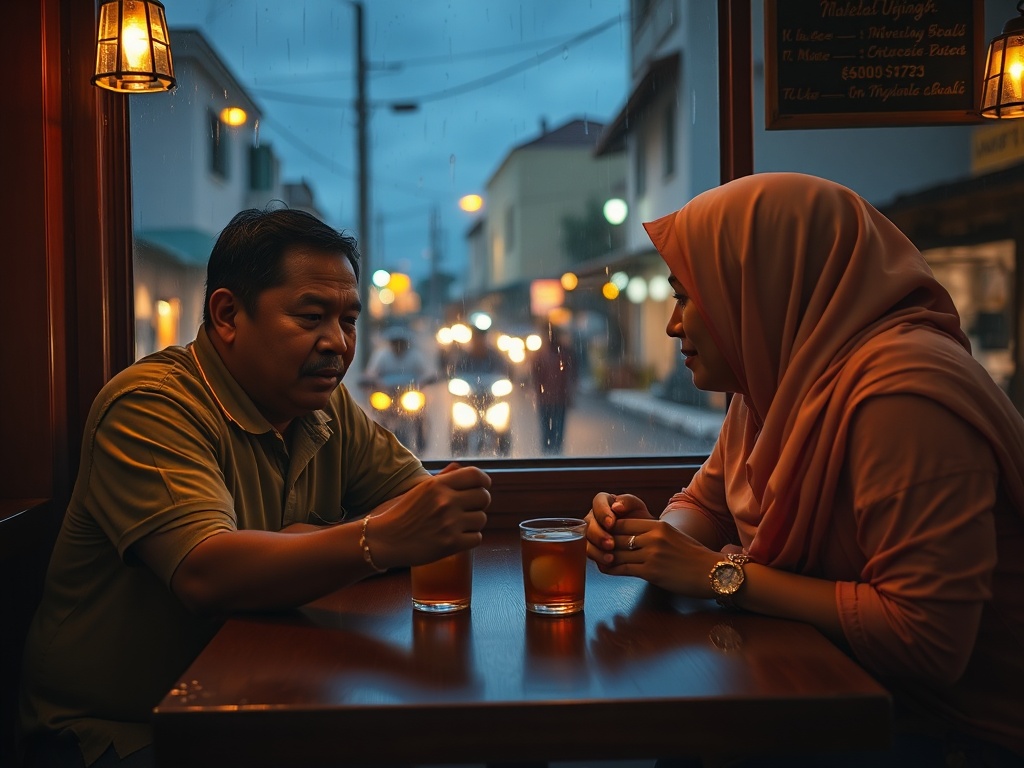
When Maldivian Politics Moves from the Feed to the Tea Table
In the digital age, political conversation rarely disappears—it simply migrates. When public feeds grow quiet, the real work often continues in private chats, where ideas can develop without the performative pressure of public platforms. This shift from broadcast to intimate dialogue reflects a deeper transformation in how Maldivians engage with their nation's political future.
The observation that meaningful political discourse has "left the feed" resonates in a country where public expression faces increasing constraints. As governance structures tighten and freedom of expression erodes, citizens naturally seek safer spaces for conversation. These private exchanges become incubators for the political imagination—places where citizens can discuss everything from corruption allegations to housing crises without immediate scrutiny.
Between now and April 2026, when the next presidential election looms, much can materialize. The current administration faces mounting challenges: a struggling economy burdened by high living costs, a healthcare system that sends citizens abroad for treatment, and a capital city grappling with congestion while subsidized housing is exploited for profit. Meanwhile, opposition parties navigate their own internal divisions while positioning themselves for the coming electoral contest.
The work cannot wait. As one observer notes, it must start now—not just for politicians, but for citizens reimagining their role in the political process. This underground discourse represents more than mere chatter; it's where alternatives are forged, where criticism finds its voice, and where hope for change takes root.
Even casual encounters on the streets of Henveiru—seeing a familiar face walking through the neighborhood—become part of this political landscape. These moments ground abstract political discussions in the reality of daily life in Malé, where the consequences of governance decisions are felt most acutely.
The migration to private conversations doesn't signal disengagement but rather a strategic adaptation. In a political environment where public criticism carries risk, these protected spaces allow for the kind of frank assessment necessary for genuine political development. They become the workshops where citizens analyze everything from the "India Out" campaign's implications to the impact of nepotism on government efficiency.
What blossoms in these private exchanges may well determine what flowers publicly in the coming years. The ideas developing there today could shape the political landscape of tomorrow—making these unseen conversations perhaps the most important political work happening in the Maldives right now.
— Source fragments: Chatter has left the feed now, moved onto private chats where it can hopefully blossom, work has to start now between now and April 2026