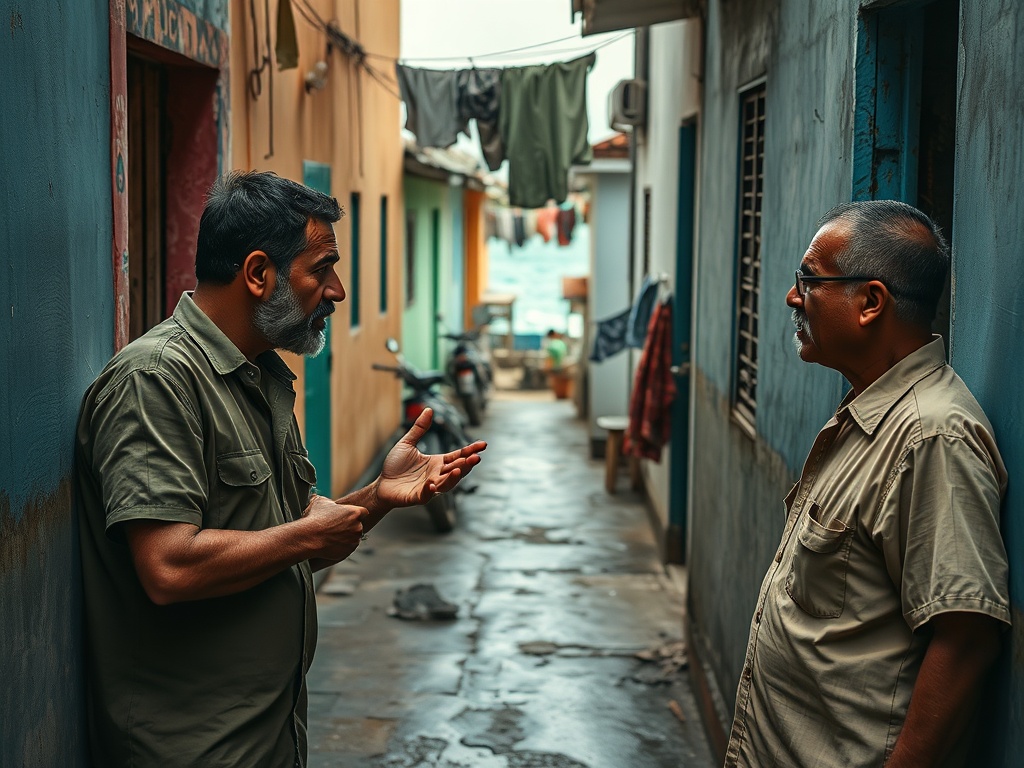
When Maldivian Politics Turns Policy Into Personal Attack
In the heated arena of Maldivian politics, what begins as policy disagreement often devolves into personal animosity. The digital public square, once envisioned as a space for civic discourse, increasingly echoes with accusations, dismissals, and character attacks that reveal deeper fractures in our social fabric.
The transformation of political dialogue from substantive debate to personal confrontation reflects a worrying trend. When citizens resort to labeling opponents as 'delusional' or expressing collective disdain through phrases like 'me and my homies hate this guy,' we witness the erosion of the very foundations necessary for democratic engagement. This shift isn't merely about individual temperament—it's symptomatic of a political culture where polarization has become the default mode of interaction.
This toxic dynamic occurs against a backdrop of genuine public concern about governance challenges. While citizens grapple with rising living costs, housing shortages, and questions about judicial independence, the public conversation often gets sidetracked by personal conflicts. The focus shifts from policy solutions to personality clashes, from institutional reform to individual grievances.
The question 'who is being judgmental here?' strikes at the heart of this dilemma. In an environment where political loyalty often trumps objective analysis, accusations fly in all directions. The cycle of offense and apology becomes a substitute for meaningful accountability, with performative gestures replacing substantive resolution.
What makes this particularly concerning is how it distracts from the pressing issues facing Maldivian society. While public discourse gets mired in personal disputes, the nation continues to confront systemic challenges: a healthcare system that sends citizens abroad for treatment, a housing crisis in Malé where subsidized apartments become investment vehicles rather than homes, and an economy heavily dependent on tourism while struggling with foreign currency shortages.
The normalization of hostile rhetoric has consequences beyond the political sphere. It seeps into community relationships, affects workplace dynamics, and shapes how younger generations understand civic participation. When political disagreement becomes synonymous with personal enmity, we risk creating a society where collaboration across ideological lines becomes increasingly difficult.
Moving forward requires conscious effort to recenter public discourse on substance rather than personality, on policy rather than personal attack. The challenges facing the Maldives demand thoughtful dialogue, not toxic exchanges. The quality of our public conversation ultimately reflects the health of our democracy—and currently, that conversation shows signs of needing urgent care.
— Source fragments: Personal attacks ('delusional idiot'), collective disdain ('me and my homies hate this guy'), questions about judgment, references to apologies and reciprocal actions