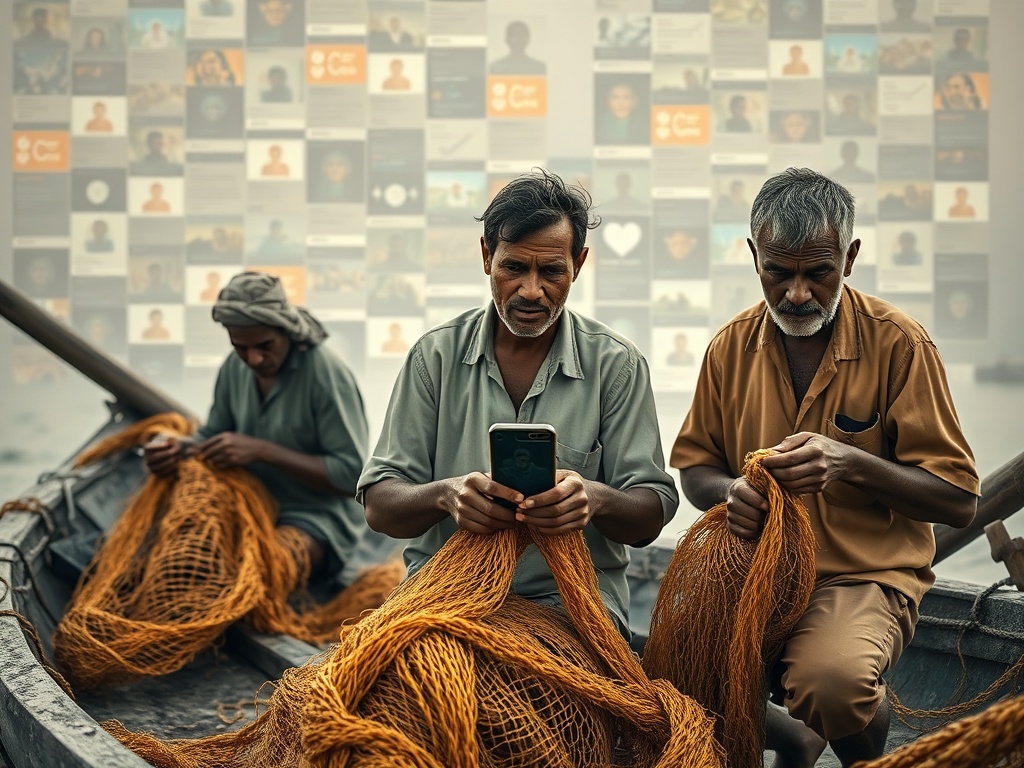
When Maldivian Social Media Trades in Shadows Instead of Fish
In the digital age, conspiracy theories have become a troubling currency in public discourse, circulating with the speed and reach that traditional media never achieved. Across Maldivian social media platforms, we see a familiar pattern emerging – fragmented claims about vaccines, historical atrocities, and political manipulation presented as legitimate counter-narratives without evidence or context.
The recent pandemic era accelerated this phenomenon, with COVID-19 vaccines becoming lightning rods for suspicion. When someone suggests linking agricultural practices to forced vaccination programs, they're participating in a global pattern of medical skepticism that often ignores scientific consensus. This isn't unique to the Maldives, but it takes on local characteristics when voiced in our island communities where trust in institutions is already strained.
Historical revisionism presents another troubling trend. The casual dismissal of documented atrocities as "hoaxes" created by political opponents reflects a dangerous erosion of historical consciousness. When traumatic events are reduced to political talking points, we lose the ability to learn from history's darkest chapters. The complex interplay between political factions, economic interests, and historical narratives deserves serious examination – not reduction to simplistic accusations.
What makes these theories particularly potent in the Maldivian context is their intersection with genuine public grievances. When people experience real problems – economic instability, political corruption, housing crises – they become more susceptible to explanations that promise clarity amid complexity. The resort industry's financial practices, the housing shortage in Malé, the brain drain of educated youth – these are substantive issues that deserve factual discussion rather than conspiratorial framing.
The psychological dimension cannot be overlooked either. The comment about the Guraidhoo asylum speaks to a legitimate concern about mental health in our society, yet it's deployed to dismiss rather than engage with competing viewpoints. This reflects a broader pattern where genuine issues become weapons in ideological battles rather than subjects for constructive problem-solving.
As a nation grappling with democratic consolidation and economic development, the Maldives cannot afford to have its public square dominated by unfounded speculation. The real work of addressing corruption, improving healthcare, and creating economic opportunity requires evidence-based dialogue. When we allow conspiracy theories to flourish, we distract from the substantive reforms needed to build a more just and prosperous society.
The challenge for Maldivian media, educators, and civil society is to create spaces for rigorous debate while maintaining commitment to factual accuracy. We must distinguish between healthy skepticism and destructive cynicism, between challenging power and undermining truth itself. Our democracy's health depends on this distinction.
— Source fragments: They have been using chemical fertilizers for years. What happened differently is forced covid vaccines; The rape and torture hoax was made up by the people who called us theives and broke away; This is all hearsay. None of this should be taken as possible events; If I believe everything they say I would be in Guraidhoo asylum by now