When Malé Became an Island Without an Atoll
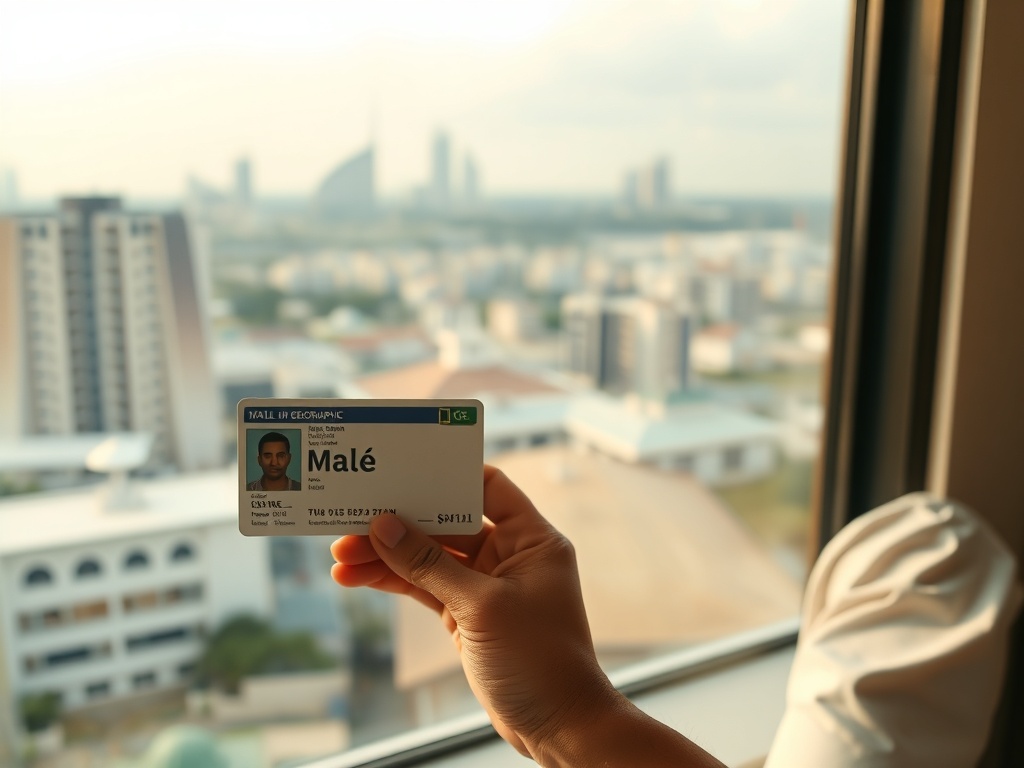
In the intricate geography of Maldivian identity, the distinction between Malé and the atolls has become more than just administrative. The capital city's unique status—no longer classified as part of Kaafu Atoll but recognized as an independent entity—manifests in subtle but significant ways. On national identification cards, while other islands bear the prefix letters of their respective atolls, Malé stands alone, simply "Malé," a declaration of its singular position in the nation's consciousness.
This administrative separation reflects deeper social and economic divides that have evolved over decades. The transformation of Hulhumalé from a handful of private buildings in 2007 to today's bustling urban extension demonstrates how demographic patterns are shifting. Contrary to popular assumptions, many residents of these new urban spaces don't hail from established Malé families, suggesting a more complex migration story than simple capital-centric privilege.
The question of economic equivalence between regions cuts to the heart of development debates. Whether a gothi from Kondey holds the same economic standing as one from Hulhumalé isn't merely academic—it speaks to the uneven distribution of opportunity across the archipelago. The rapid urbanization and infrastructure development in the Greater Malé Region have created new economic ecosystems that don't always align with traditional atoll-based hierarchies.
These administrative and economic distinctions have sparked conversations about resource allocation and regional equity. The suggestion that Malé residents should receive more wealth often meets with ironic laughter, revealing the tension between recognizing the capital's unique challenges and ensuring fair development across all regions. The reality is more nuanced than simple center-versus-periphery arguments suggest.
As the Maldives continues its rapid modernization, these questions of identity, belonging, and economic distribution will only grow more pressing. The administrative separation of Malé from Kaafu Atoll may have begun as a bureaucratic decision, but it has evolved into a symbol of the complex relationship between the capital and the islands—a relationship that continues to define the nation's social and economic landscape.
— Source fragments: Malé no longer classified as part of Kaafu Atoll, ID card distinctions, Hulhumalé demographics from 2007 to present, questions about economic equivalence between regions, ironic commentary on wealth distribution