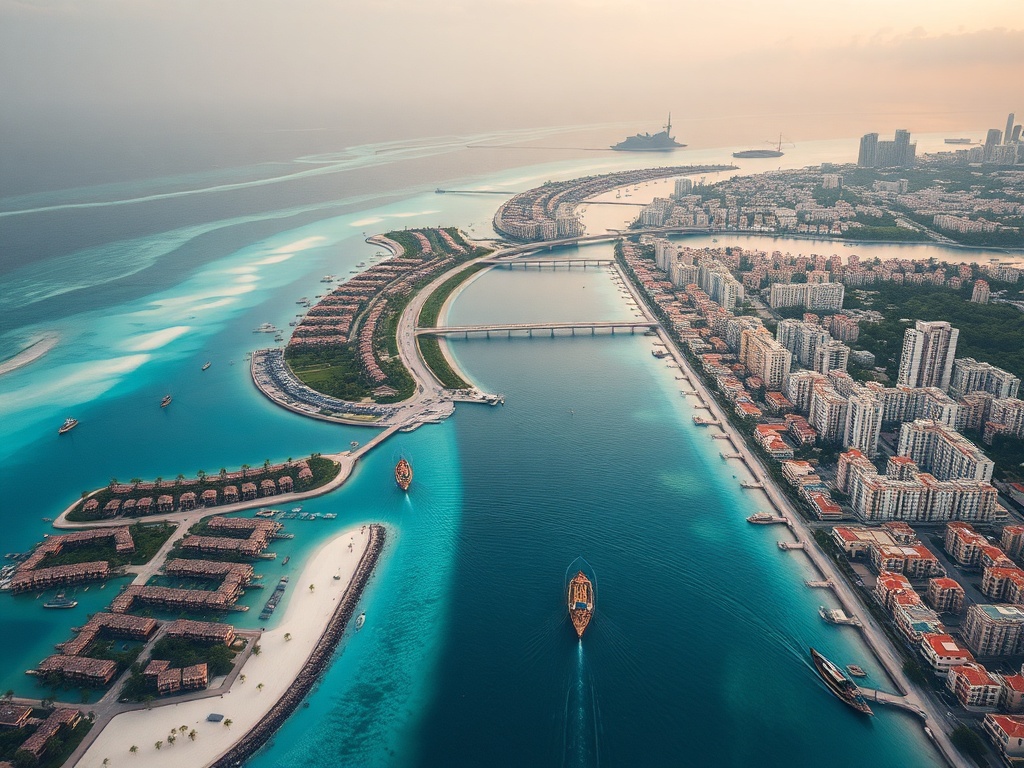
When Malé's Privileged Found Their RasMale' Plot Too Far
The irony was palpable when residents of Malé who had championed discriminatory land policies suddenly found themselves dissatisfied with their allocations in RasMale'. The complaints came quickly: too far, too inconvenient, not good enough for those accustomed to privilege. This pattern feels familiar—the same resistance emerged when Villingili was developed as a borough, suggesting a recurring theme in Maldivian urban development.
At the heart of this dynamic lies what many describe as the nation's most enduring instrument of discrimination: identity based on birth land. Successive governments have weaponized geographic origin, creating systems where those from specific families and islands receive preferential access to resources. This modern iteration of historical caste-like distinctions continues to shape policy and opportunity across the archipelago.
The debate extends beyond land distribution to education and healthcare. Current provincial systems create barriers where students from one province cannot access free education in another, and health insurance coverage remains geographically constrained. These limitations reinforce regional divisions and complicate the pursuit of equal opportunity.
What emerges is a complex portrait of entitlement meeting reality. The very beneficiaries of discriminatory systems become critics when those systems fail to deliver the privileges they expected. The Malé-Raajjethere divide appears to be widening, with some observers noting that even those in positions of authority who claim to represent broader Maldivian interests often perpetuate these divisions.
The conversation has grown increasingly pointed, with accusations flying about who supports discrimination based on birthplace. Some voices even call for separate administrative structures, arguing that the constitution isn't implemented equally for all citizens.
Yet within this contentious landscape, a clearer picture emerges of how geographic privilege operates in practice. It's not merely about who gets what, but about the expectations that accompany entitlement. When systems designed to favor certain groups fail to deliver adequate benefits even to their intended beneficiaries, it reveals the fundamental flaws in basing resource distribution on origin rather than need.
The RasMale' controversy serves as a microcosm of broader societal tensions. As development continues across the Maldives, these questions of equity, entitlement, and geographic justice will only become more pressing. The challenge lies in creating systems that recognize historical disadvantages without reinforcing new forms of privilege—a delicate balance that continues to elude policymakers and citizens alike.
— Source fragments: Strange thing is Male' people who were pushing for the discriminatory free land policy... Are not happy that they are getting from RasMale'... Too far away! Too annoying to travel! Not good enough for privileged people! Same attitude when Villingili was developed as a borough; The biggest instrument of discrimination that successive governments have weaponized is our identity; those that come from specific families and islands receive preferential access to resources; We must include the modern version of Kudasitee too. Like if anyone from province A decided to enroll in a school of province B that person cannot get free education. Same goes to Aasanda. Free education and health insurance will be provided within the province