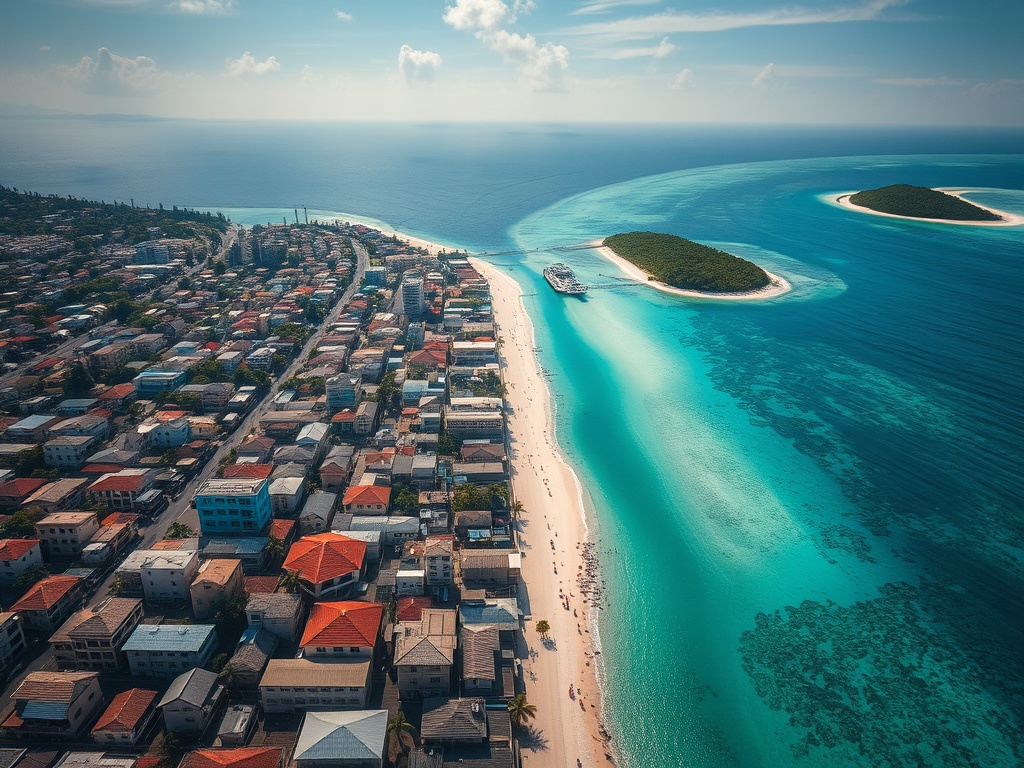
When Malé's Rent Costs More Than an Outer Atoll's Entire Monthly Income
The housing crisis in Malé has reached a breaking point, with rental prices climbing to levels that strain both local families and expatriate workers. The capital's extreme congestion—home to nearly a third of the nation's population—has created a perfect storm of demand that far outstrips supply. This isn't merely a market imbalance; it's the inevitable consequence of decades of centralized development that funneled opportunity, infrastructure, and investment into a single urban center.
The solution, as many urban planners and economists now argue, lies in deliberate decentralization. The concept isn't new, but its implementation has consistently stalled. Creating viable alternative cities requires more than political rhetoric—it demands strategic capital investment in regional development hubs. The current approach of pouring resources into state-owned enterprises has shown limited success in sparking genuine regional growth.
What would effective decentralization look like? It begins with identifying three to four strategic locations across the atolls with the potential to become self-sustaining urban centers. These would need comprehensive infrastructure: reliable transportation links, modern healthcare facilities, quality schools, and robust internet connectivity. Most importantly, they require economic engines beyond tourism—perhaps light manufacturing, technology hubs, or specialized services that can provide stable employment.
The capital injection needed isn't about expanding government bureaucracy but about creating conditions for private sector growth. Tax incentives for businesses establishing regional headquarters, streamlined regulations for construction, and targeted investment in port facilities could trigger the kind of organic development that makes decentralization sustainable.
Current housing policies, while well-intentioned, often reinforce the very centralization they seek to alleviate. Subsidized housing in Malé becomes a temporary fix that ultimately increases demand pressure. Meanwhile, the practice of subleasing government flats for profit by absentee leaseholders demonstrates how well-meaning programs can be distorted when alternatives remain underdeveloped.
The path forward requires acknowledging that decentralization isn't just about building houses in different locations—it's about creating complete communities where people want to live, work, and raise families. This means simultaneous investment in economic opportunity, social infrastructure, and quality of life amenities. Without this holistic approach, any decentralization effort risks creating satellite dormitories rather than vibrant new cities.
As the debate continues, one thing becomes clear: the high cost of living in Malé is both symptom and cause of our centralized development model. Breaking this cycle demands courage, vision, and most importantly, a commitment to investing in Maldives' regional potential rather than continually reinforcing the dominance of the capital.
— Source fragments: Why is rent high? Because of Centralization. How to decentralize? I gave the solution. Do my solution, then country will decentralize into 4 different cities, rent will become low. How to start other cities? Pump capital, not to stupid SOEs.