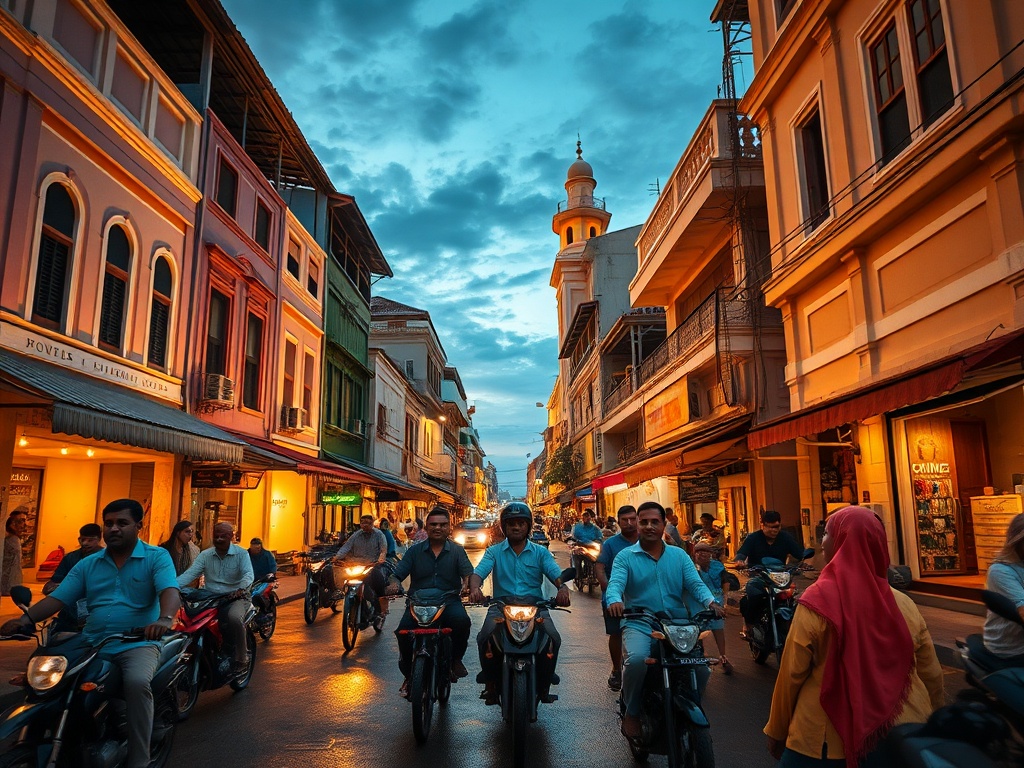
When Malé's Streets Question Where the Nation Is Headed
In the crowded lanes of Malé and across the scattered atolls, a quiet unease permeates daily life. The sentiment echoes in market conversations, coffee shop discussions, and social media exchanges—a collective questioning of whether the nation's trajectory aligns with its people's aspirations.
This discontent stems from observable patterns in governance. When public institutions become extensions of political machinery, the social contract begins to fray. The appointment of relatives to influential positions, the bloating of ministries with political loyalists, and the perception that justice bends to power rather than principle—these are not abstract concerns but daily realities that shape public trust.
The economic dimension compounds these governance challenges. As the cost of living climbs while opportunities stagnate, citizens witness a disconnect between political promises and lived experience. The housing crisis in the capital, where subsidized flats meant for locals sometimes become investment properties for those abroad, illustrates how well-intentioned programs can be distorted by systemic weaknesses.
Meanwhile, the tourism economy—the nation's financial backbone—faces its own contradictions. While resorts generate substantial revenue, questions persist about how much benefits the broader population versus being parked overseas. This economic structure, combined with heavy import reliance, creates persistent vulnerabilities that affect everything from currency stability to job prospects for Maldivian youth.
What emerges is not merely political disagreement but a deeper concern about systems and accountability. When governance becomes transactional—exchanging public resources for political support—the foundation of democratic representation weakens. The challenge facing the Maldives is not about any single administration or party, but about reinforcing institutions that can withstand political cycles and serve citizens consistently.
The way forward requires rebuilding trust through transparency, strengthening independent institutions, and ensuring that economic opportunities reach beyond political elites. As one observer noted, the true measure of a nation's health is not in its political rhetoric but in whether ordinary citizens feel their lives are improving and their voices matter in shaping the country's direction.
— Source fragments: We must stop this and take back our country before it's too late