When Malé's Walls Close In, What's an Island Worth?
In the cramped alleyways of Malé, where buildings strain skyward and the ocean breeze struggles to find passage between concrete, a fundamental question echoes through political discourse and coffee shop conversations alike: What does it mean to own land in the Maldives today?
The debate has shifted beyond mere property rights toward a deeper examination of freedom and constraint. The distinction between land ownership and rental accommodation represents more than financial arrangements—it speaks to autonomy itself. When monthly rent dictates life choices, the argument goes, true independence remains elusive. The promise of 'free land' programs like Binveriya offers potential liberation, though many recognize that such initiatives inevitably come with conditions that shape their ultimate impact.
Policy discussions now center on land value taxation as a potential equalizer. Proponents argue that taxing all land—from towering commercial buildings in the capital to unused plots in outer atolls—could create a revenue stream to fund housing solutions nationwide. This approach suggests that only those capable of paying the tax should retain ownership, with funds redirected toward building until homeownership becomes universal. The long-standing tension between Malé residents and islanders might find resolution through such systemic changes.
The current allocation of 30'x40' plots faces criticism for being insufficient, with advocates pushing for more generous 75'x75' parcels. This expansion could serve dual purposes: providing adequate living space while incentivizing migration away from the overcrowded capital. The lower land value tax in outer islands combined with larger plots might create the equilibrium needed to reverse decades of centralization.
Transparency emerges as a critical precondition for meaningful reform. Publishing a comprehensive national land registry would not only create an accurate inventory but also combat corruption by bringing ownership patterns into public view. As lands change hands through proposed reforms, this transparency would ensure accountability.
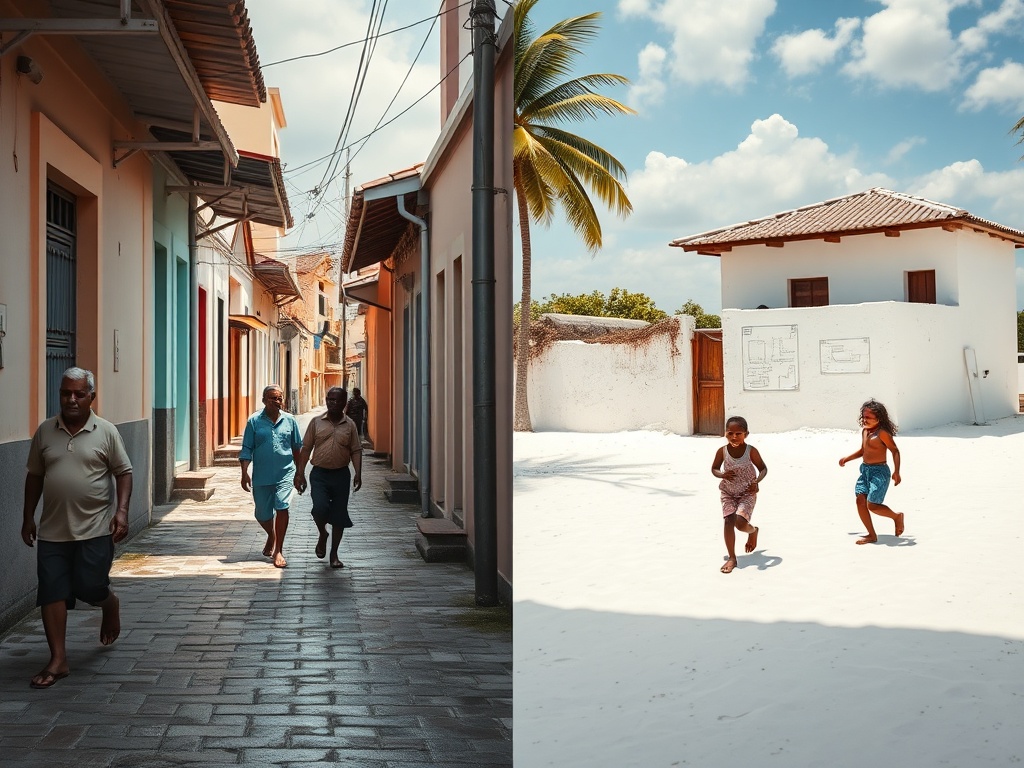
Beyond economic calculations lies the emotional landscape of land ownership. The true value of land cannot be measured solely in rufiyaa—it encompasses family memories, historical continuity, and the simple joy of children playing in spaces that witnessed their grandparents' laughter. This emotional dimension challenges purely financial approaches to land policy.
Access to land when starting a family represents both practical necessity and symbolic commitment to future generations. The choice between traditional land plots and modern flats should reflect individual circumstances while preserving the cultural significance of rootedness. With approximately 1,000 islands available, the mathematical possibility exists for every adult Maldivian to claim their portion of the nation's geography—if political will and administrative capability align.
The conversation continues to evolve, balancing economic pragmatism with cultural preservation, individual rights with collective responsibility, and immediate needs with intergenerational legacy. How Maldives navigates this complex terrain will shape not just its physical landscape but the very meaning of belonging in these scattered islands.
— Source fragments: land is wealth, flat with monthly rent means you are not free, everyone should have fair and equal land rights, tax all land, use tax money to build until everyone is homeowner, Male' vs every other islander debate, 30'x40' too small, give 75'x75', incentivize moving back to islands, publish land registry to solve corruption, land that holds family memories, access to land plot as basic right when starting family