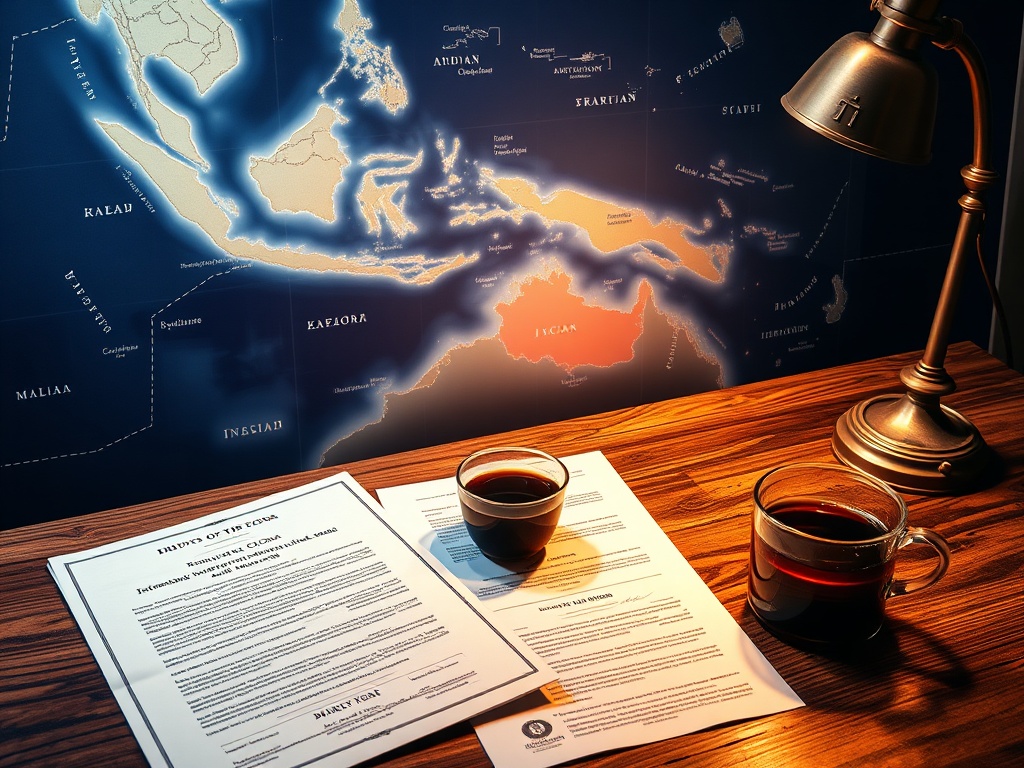
When Maritime Boundaries Are Decided Without Local Voices
The intricate tapestry of international law and maritime sovereignty forms a critical backdrop to the Maldives' ongoing navigation of its territorial claims. Recent discussions have brought to the forefront questions about the proper channels for determining maritime boundaries and the legal frameworks that govern such processes.
At the heart of the debate lies the principle that maritime regions, once established under international law, cannot be reassigned through bilateral agreements that bypass the affected nation's rightful claims. The legal framework, including Article 73(e) of the UN Charter and Resolution 1541, establishes clear reporting obligations for colonial powers regarding non-self-governing territories. These provisions underscore the importance of transparency and proper procedure in matters affecting territorial integrity.
The conversation extends beyond legal technicalities to broader governance concerns. Questions about whether border control systems have been transferred to foreign entities without proper disclosure highlight a recurring theme in Maldivian public discourse: the need for regulatory consultation and procedural transparency. When significant decisions affecting national sovereignty and security are made, the absence of engagement with local regulatory bodies creates information gaps that undermine public trust.
This pattern reflects a larger challenge in governance—the tendency to proceed with international agreements and systemic changes without adequate domestic consultation. The resulting perception is one of decisions being made in isolation from the institutions and stakeholders who bear the consequences of these arrangements.
For a nation whose identity and security are intrinsically tied to the sea, maritime boundaries represent more than lines on a map. They define economic zones, environmental protection responsibilities, and national security parameters. The proper establishment and maintenance of these boundaries through internationally recognized processes is not merely a legal formality but a fundamental aspect of national sovereignty.
As the Maldives continues to assert its position in regional maritime discussions, the principles of transparency, proper procedure, and respect for established legal frameworks remain paramount. The integrity of these processes directly impacts not only the nation's territorial claims but also the public's confidence in how their national interests are represented on the international stage.
— Source fragments: Chagossians were displaced from a British colony, not from Mauritius. Their identity is distinct; the law is clear. Article 73(e) and Res. 1541 require UK reporting to the UN. Maldives' rightful maritime region cannot be reassigned through a UK–Mauritius side-deal. #MaldivesClaim; how come they never ask maldivian regulators before doing this kinda stuffs