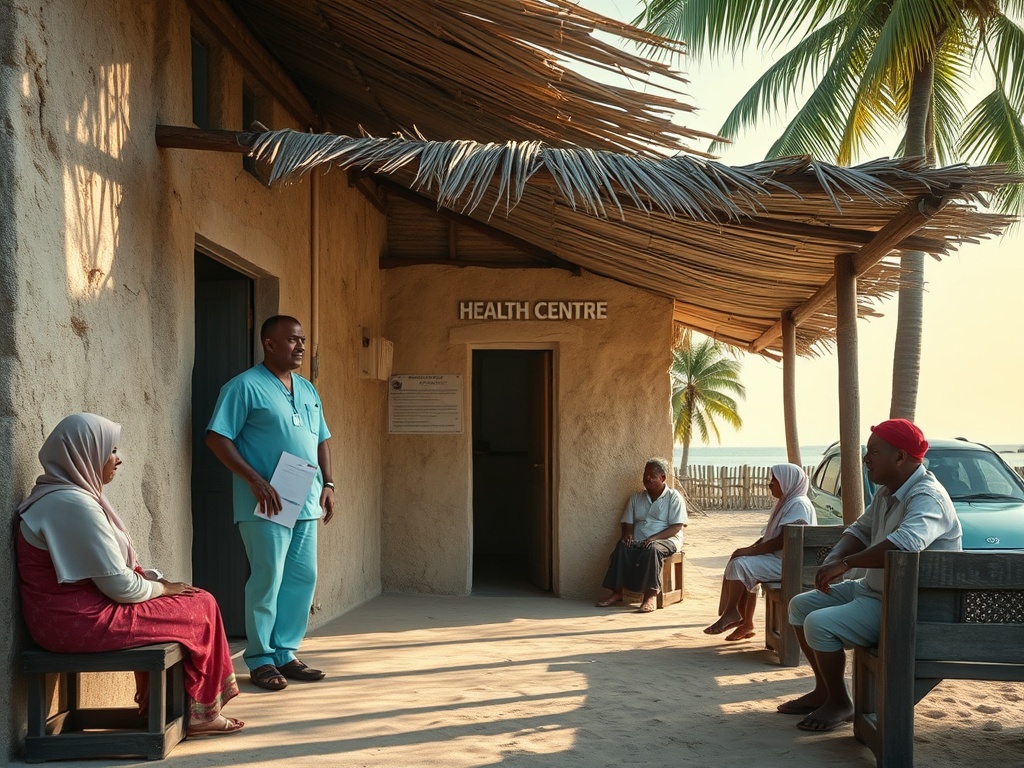
When Medical Tourism Meets the Local Health Center Queue
In the scattered atolls of Maldives, where healthcare access remains a persistent challenge and medical tourism to neighboring countries is common for those who can afford it, conversations about medical treatment and vaccination carry particular weight. The debate around COVID-19 vaccines has surfaced fundamental questions about how island communities navigate complex medical information.
The core tension lies between established medical consensus and individual health concerns. While vaccines undoubtedly played a crucial role in containing the pandemic and saving countless lives, the acknowledgment that any medical intervention carries potential risks—from vaccines to common antibiotics—reflects a mature understanding of healthcare's complexities. This isn't unique to Maldives, but takes on specific resonance in a nation where healthcare infrastructure struggles to meet population needs and many seek treatment abroad.
The scientific method demands that claims be backed by peer-reviewed research and official records, creating a system where medical consensus emerges from accumulated evidence rather than individual opinion. When someone questions established medical understanding, the burden of proof rests on providing contradictory evidence that withstands scientific scrutiny. This process, while sometimes frustrating for those with contrary experiences, serves as medicine's quality control mechanism.
In Maldives' context, where traditional healing practices sometimes coexist with modern medicine, these discussions touch on deeper questions about whose knowledge we trust and why. The reality that adverse reactions can occur with any medication—from hypertension drugs to vaccines—doesn't invalidate their overall benefit, but reminds us that medical decisions always involve balancing potential benefits against possible risks.
As Maldivians continue navigating these complex healthcare landscapes, the conversation reflects broader societal patterns: the tension between individual experience and collective evidence, between traditional knowledge and scientific advancement, and between the urgent need for healthcare solutions and the careful deliberation they require. How these discussions evolve will shape not just pandemic response but the broader relationship between Maldivians and their healthcare systems in years to come.
— Source fragments: Fragments about vaccine risks versus benefits, medical consensus versus individual claims, and evidence-based medicine formed the core narrative. The discussion of adverse reactions with any medication and the role of peer-reviewed research provided analytical depth.