When Mercy Meets the Monsoon
The first call to prayer on Eid morning carries across the still lagoon, mingling with the scent of sweet sai and the distant sound of families gathering. In the prison courtyard, men stand in clean white clothes, their faces turned toward the sea they haven't seen in months. The presidential pardon comes not as reward but as reminder: even those who stumbled belong to this nation.
We Maldivians understand confinement—not just of body but of spirit. Our islands teach us that no one is truly separate. When the monsoon winds change direction, we adjust our sails. So too with human failing. The prisoner who stole to feed his family, the youth who lost his way in the fog of addiction—they remain our brothers, our sons.
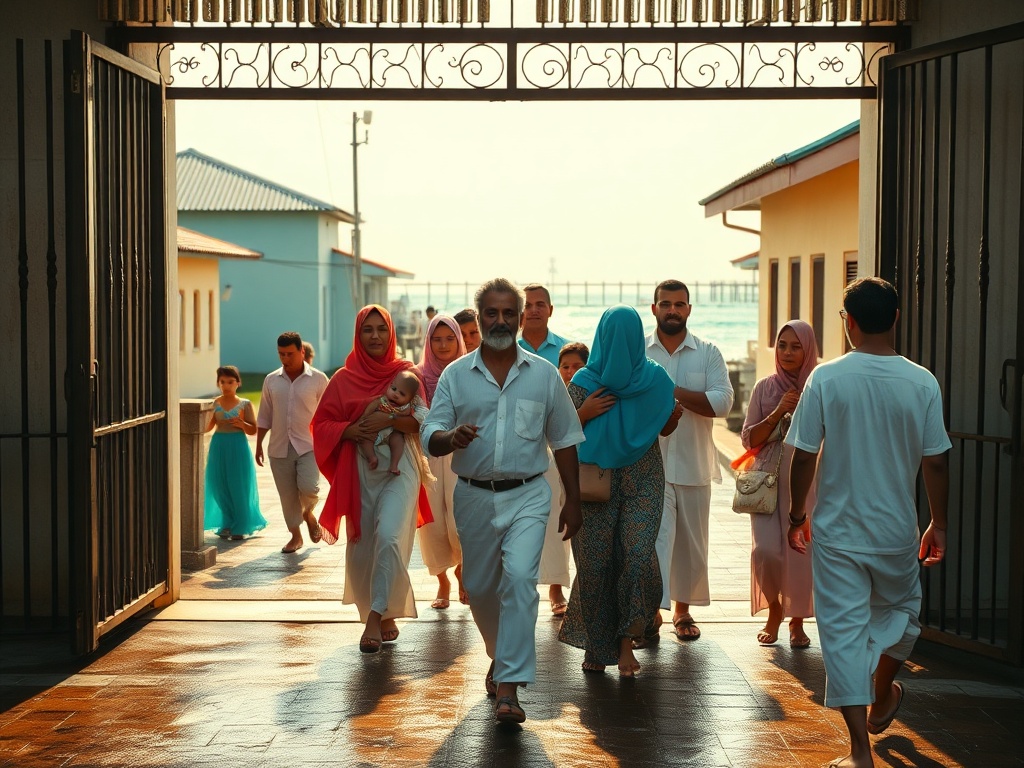
This morning, as the iron gates swing open, I watch a man embrace his daughter for the first time in three years. Her small hands pat his face as if making sure he's real. Nearby, an elderly woman waits with a fresh thundi for her son. No speeches about national pride, no political banners—just the quiet work of mending what was broken.
The true test begins now, in the weeks after the celebration. Will we make space at our tables for those returning? Will our businesses offer second chances? National cohesion isn't built through ceremonies alone but through daily acts of inclusion. The prisoner reforms not when released but when welcomed.
As the sun climbs higher, warming the coral stone walls, I think of how our islands have always practiced a kind of natural mercy. The sea that separates us also connects us. The same currents that carry one person's mistake can bring another's redemption. Today, as these men walk toward waiting boats, I see not former inmates but fellow travelers on the long journey home.