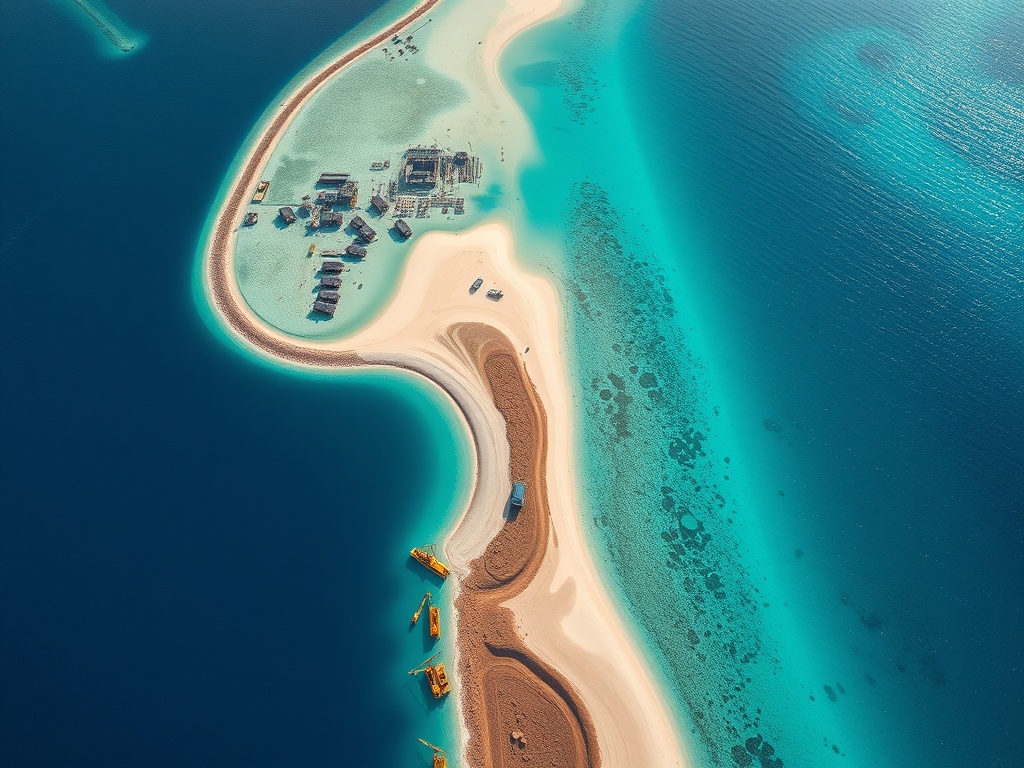
When New Land Emerges, Who Does It Belong To?
The debate over land distribution in the Maldives has become a mirror reflecting our deepest societal tensions. Across social media platforms and coffee shop conversations, Maldivians are wrestling with questions that strike at the heart of what it means to belong to these scattered islands.
The conversation reveals a nation divided not just by geography but by philosophy. On one side stand those who argue for free land as a basic right—particularly for Malé residents facing the capital's severe housing crunch. This position sees land not as commodity but as heritage, with some advocating that Malé 'meeha' should have first rights to land in their ancestral home.
Opposing this view are those who reject what they call 'free handouts' entirely. They point to the precedent-setting nature of land distribution schemes and question why geography of birth should determine entitlement. Their solution is simpler: let any Dhivehin buy land wherever they wish to settle, creating a fluid, market-based system.
Between these poles lies a more nuanced reality. The Binveriya scheme and similar programs have created unexpected consequences—some recipients signing away newly acquired lands, others navigating complex inheritance questions. Meanwhile, the government continues massive reclamation projects like the one in North Hithadhoo, Addu City, creating new land even as we debate who deserves the old.
What emerges is a fascinating paradox in the Maldivian character, as one observer noted: 'We become socialist communists when we demand free land from the government but instantly turn into pro-capitalists the moment the government tries to regulate the rent on those same lands.' This ideological flexibility reveals the pragmatic core of the Maldivian approach to survival.
The underlying question remains: what is land for if not for living? Some argue for strict primary residence requirements and anti-speculation taxes to prevent the very resource meant to solve housing crises from becoming investment vehicles. Others see such regulations as infringements on property rights.
As the debate continues, it's clear that land policy has become the arena where we work out larger questions about fairness, development, and what kind of nation we want to build. The answers we settle on will shape the Maldives for generations to come, determining not just who gets to live where, but what kind of society we become in the process.
— Source fragments: Discussions about Male' vs Raajjethere land rights, free land schemes like Binveriya, primary residence requirements, land reclamation projects, and philosophical debates about land ownership and entitlement