When Party Colors Matter More Than Finished Roads
In the swirling currents of Maldivian politics, a peculiar phenomenon has taken root—the elevation of factional loyalty above all else. The recent political discourse reveals a landscape where young supporters follow leaders not based on policy positions or governance records, but through tribal allegiances that serve presidential ambitions rather than public interest.
The pattern is familiar: politicians cycle through positions, leaving trails of electoral defeats and party divisions in their wake. One observer notes how a prominent figure resigned after successive election losses and factionalizing their party, only to see the party reunite in their absence. Yet the political calculus suggests that even with limited choices, certain figures could still capture the presidency—a testament to how personality politics often trump performance in the Maldives.
This dynamic creates a closed ecosystem where only an approved handful gain access to party machinery, while the broader electorate is left questioning the substance behind the spectacle. Critics point to housing ministers and mayors who ascended to the presidency despite questionable deliverables, leaving citizens to wonder what exactly qualified them for the nation's highest office.
The political theater extends to public appearances where presidents endure streams of praise that thinly veil desperate requests for favors. The knowing expressions of leaders suggest they recognize the charade—the gap between ceremonial flattery and genuine governance.
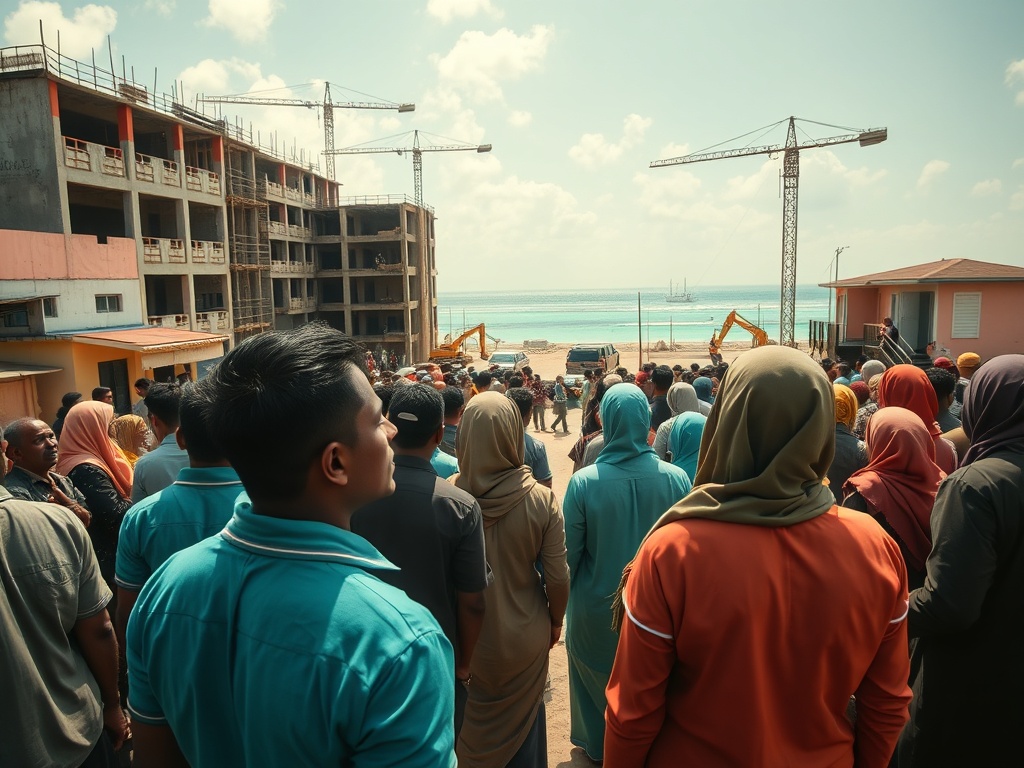
Meanwhile, practical governance suffers from this political gamesmanship. Infrastructure projects stall as parties calculate electoral advantages, with one commentator bluntly noting that services might be withheld simply to deny credit to opposing parties. This cynical approach to public service reveals how deeply electioneering has penetrated administrative functions.
The fundamental challenge lies in the transformation that occurs when individuals enter politics. As one analysis suggests, the moment someone steps into the political arena, they cease to be treated as ordinary citizens, becoming instead players in a system where the rules of engagement prioritize political survival over public service.
This environment raises critical questions about the future of Maldivian democracy. When youth follow factions rather than ideals, when service delivery becomes secondary to electoral strategy, and when political loyalty outweighs professional competence, the very foundations of governance risk erosion. The path forward requires a recalibration—where political engagement means advocating for principles rather than personalities, and where election victories become opportunities for service rather than mere political conquest.
— Source fragments: I think MDP needs a bed; Faya resigned after losing every election and after dividing the party; youth follow a certain faction leader and can only do things that play for their leaders presidential campaigns; How dumb can you be, If what you ware saying is true, tell me why did Maldivians vote Muizzu? What did he deliver?; They talk is full of praises, but most speakers are actually begging for stuff; Pumps will not be operated. There is an election near. We dnt want to give all the credit and elect an MDP mayor again