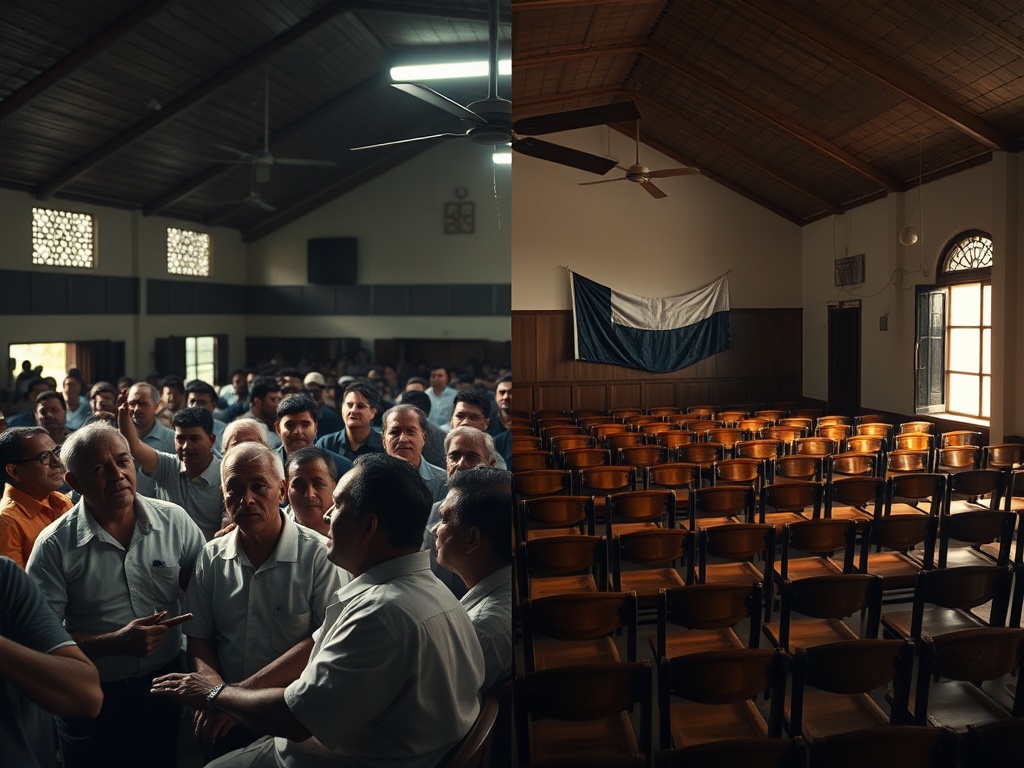
When Party Loyalty Silences the Debate on Governance
In the shifting sands of Maldivian politics, the opposition landscape reveals a troubling pattern: ideological conviction is increasingly secondary to personal allegiance and factional loyalty. What should be a robust debate about governance and policy direction has devolved into a contest of personalities and past grievances.
The case of Ali Azim's candidacy illustrates this fragmentation perfectly. Supporters admit they may not vote for him primarily because of his endorsement from Anni—not because they disagree with his policies or qualifications, but because of perceived disloyalty to the MDP. This transactional approach to political support reflects a system where party identity has become tribal, and where past alliances weigh heavier than future vision.
Meanwhile, institutional decay continues unabated. The Maldives Police Service faces credible allegations of political interference from a JSC President who simultaneously serves as a Member of Parliament—a clear conflict of interest that undermines public trust in law enforcement. This institutional vulnerability persists even as political energies are diverted toward internal squabbles rather than substantive reform.
The discourse around political figures has become equally polarized. Public figures are reduced to caricatures—either wholly admirable or completely irredeemable, with little room for nuanced assessment. The observation that one political brother might be 'more tolerant' than another speaks to how personality has eclipsed policy in political evaluation.
This fragmentation comes at a cost. While opposition groups debate loyalty tests and personal histories, the pressing issues facing Maldivians—economic instability, housing shortages, and institutional reform—receive insufficient attention. The very mission of political parties becomes secondary to maintaining internal purity tests and settling old scores.
The challenge for Maldivian democracy isn't merely about which party holds power, but whether political discourse can evolve beyond personality conflicts and toward the substantive debates that affect citizens' daily lives. Until opposition forces can unite around shared principles rather than divide over past allegiances, the political landscape will remain fractured, and meaningful reform will remain elusive.
— Source fragments: Political support based on personal endorsements rather than policy; Institutional concerns about police service independence; Observations about political figures' tolerance levels; Criticism of party leadership during previous administration