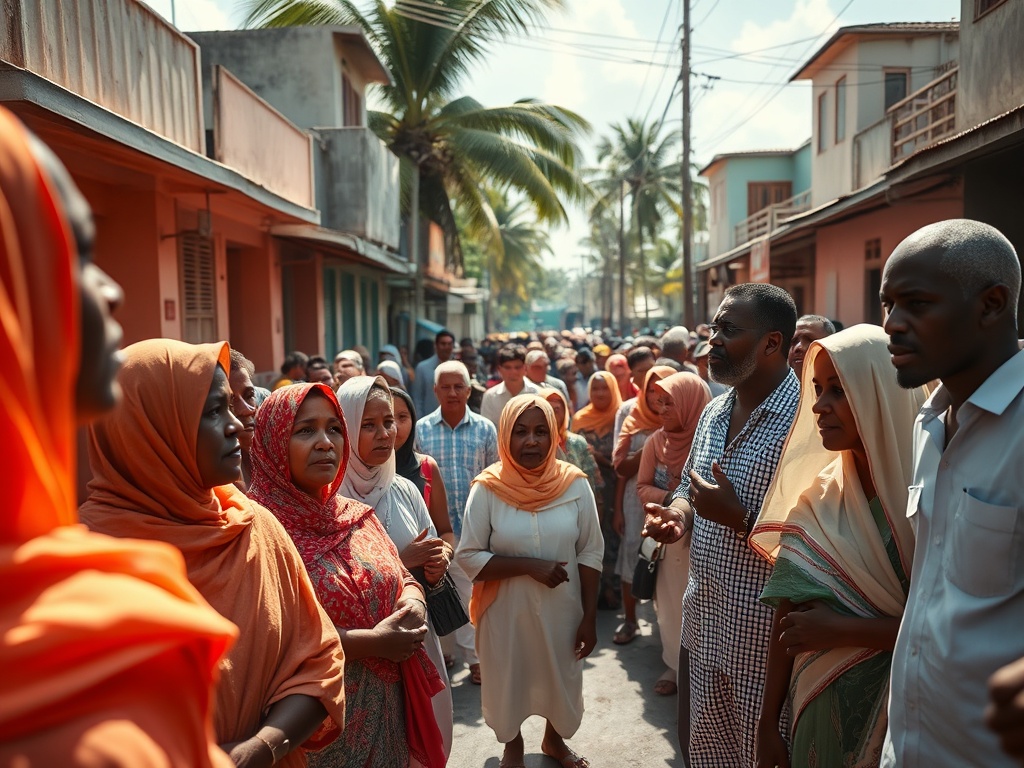
When Political Theater Features an Artist in the Lead Role
The emergence of an artist as political opposition figure speaks volumes about the current state of Maldivian democracy. When political theater replaces substantive debate, citizens rightly question whether they're witnessing genuine accountability or carefully choreographed performance.
The criticism cuts deeper than surface-level political maneuvering. There's a palpable sense that the system itself has been engineered to serve entrenched interests rather than public welfare. The legacy of previous administrations continues to cast long shadows, with many perceiving current leadership as merely continuing established patterns of cronyism and systemic favoritism.
This political disillusionment finds expression in the fundamental question repeatedly asked of those in power: What tangible problems have actually been solved? The query echoes through social media and coffee shop conversations alike, reflecting widespread frustration with political promises that remain unfulfilled while daily struggles intensify.
The metaphor of empire resonates powerfully in this island nation context. When citizens feel like mere spectators in their own governance—expected to applaud political narratives while basic services deteriorate—trust erodes. The machinery of state can begin to feel distant from the people it's meant to serve, operating instead to perpetuate its own existence.
Yet within this critique lies the crucial distinction between opposition as performance and opposition as substantive force. The call for 'real pressure' reflects a desire for political movements that offer concrete policy alternatives, not just symbolic gestures. It's the difference between political theater that entertains and political action that transforms.
The Maldivian political landscape, with its complex interplay of established parties and emerging factions, faces a critical juncture. The question isn't merely who opposes the government, but how they oppose—whether through meaningful policy proposals, genuine accountability mechanisms, or simply through the optics of resistance.
As living costs rise and governance challenges multiply, the public's patience for political performance art wears thin. The demand is for substance over spectacle, for solutions over symbolism. In a nation where every vote carries the weight of island communities' futures, the stakes extend far beyond political point-scoring to the very quality of democratic life.
— Source fragments: MDP's big move is bringing out deth the artist. Not exactly a strong opposition. We need real pressure on the government; He instilled so much hate within us and built the system for his cronies; Name one issue he has solved; The greatest lie of empire is that it is protecting you. Empire protects itself. You are simply the audience asked to cheer