When Politicians Rule, Not Represent
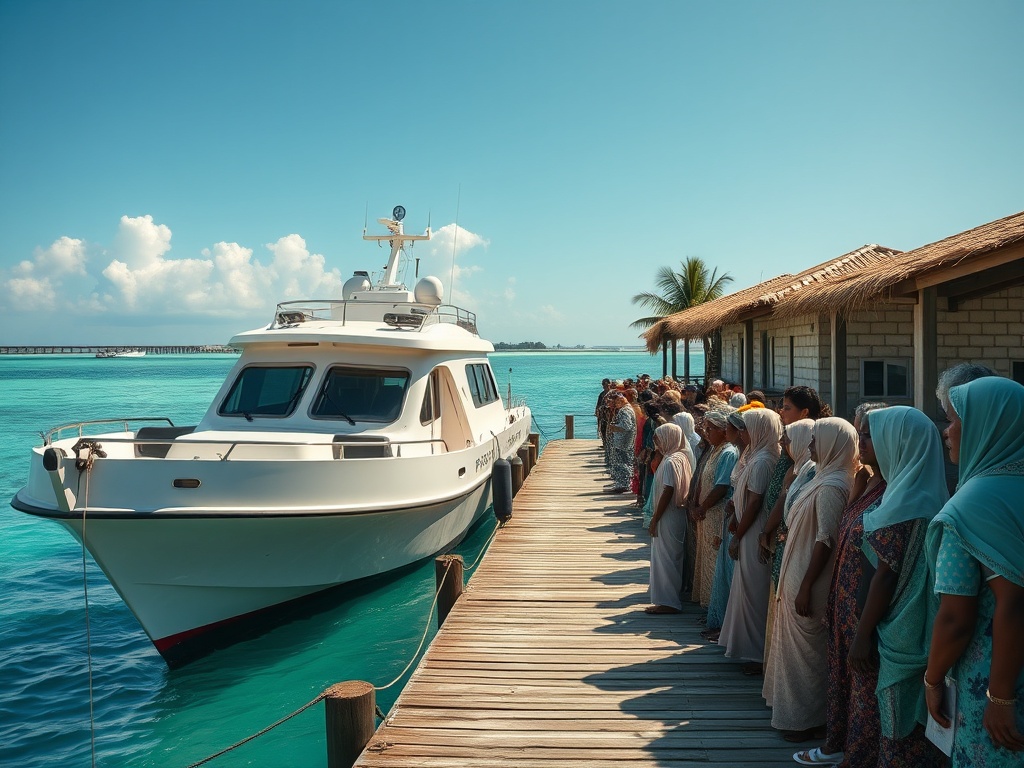
The president’s boat glides into the lagoon, white and official against the turquoise water. On the island, people gather under the afternoon sun, their faces hopeful. They ask for an airport—a grand, modern gateway for their tiny patch of sand and palms. It sounds progressive, ambitious. And the president nods, smiles, agrees as if bestowing a royal decree.
But he is not a king. Our treasury is not his personal chest. It belongs to all of us—the fisherman in Gaafu Dhaalu, the teacher in Haa Alif, the nurse in Malé struggling with medicine shortages. Every rufiyaa spent without true public mandate is a theft from our collective future.
We’ve let this happen. We stand by while leaders decide which island gets an airport, which ministry gets another dozen political appointees, which resort owner gets another tax break. We watch as national debt climbs and foreign currency drains, while our youth queue for jobs that never come. We’ve accepted a system where the demand should come from us—the citizens—but instead, it’s handed down from above, wrapped in empty promises and election-season gifts.
Imagine if it were different. If before any project broke ground, the people were truly asked: not in a staged meeting, but in a genuine, island-by-island conversation about what we need most. Not an airport for show, but maybe a functioning clinic. Not another political appointment, but support for local businesses drowning in import costs. Our money should serve our common good—not the whims of a visiting official.
It’s time we remember: the power to make the rules belongs to us. Politicians are meant to listen, to enact the will of the majority—not to play monarch with resources that are ours to share.
— Source fragments: politicians make rule for us, demand to make rule shall originate from citizens, president agrees as if he is the king, treasury doesn't belong to that small island alone
— Tone: serious