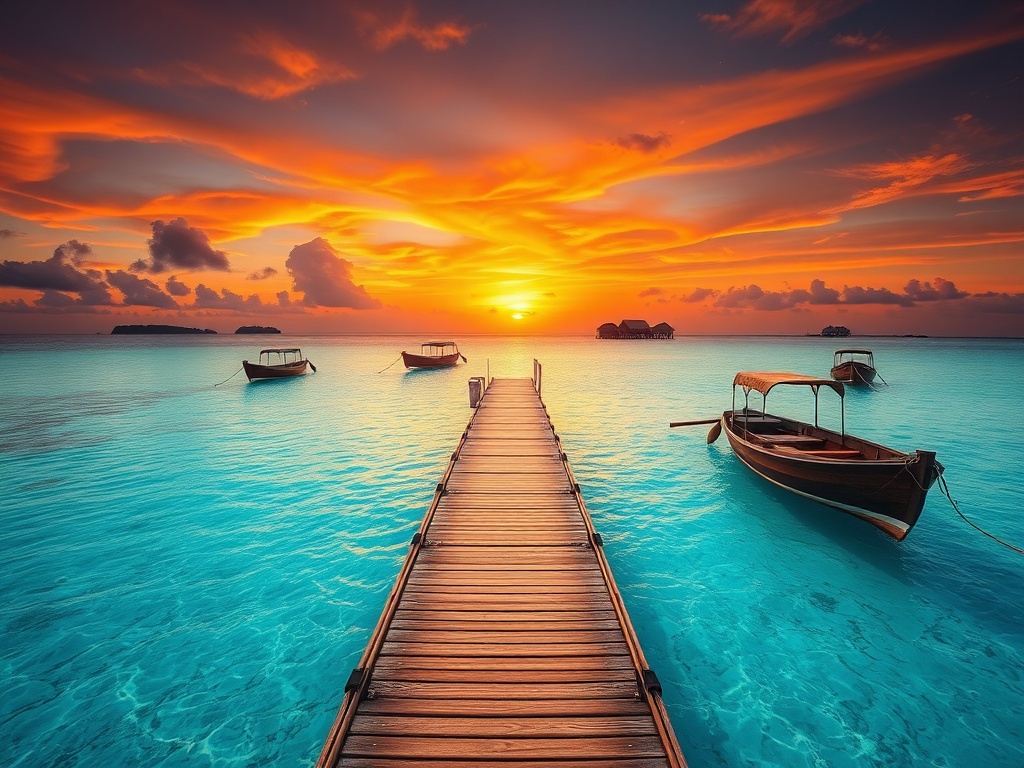
When Politics Costs Paradise
The salt spray hangs in the evening air, carrying with it the scent of coral dust and diesel. On the harbor wall, fishermen mend their nets with a rhythm born of generations, their movements slow and deliberate. Their conversation has turned, as it often does these days, to the empty jetties where the Indian tourists used to gather, their laughter echoing across the water as they bought fresh tuna and reef fish. The political slogans that once blared from megaphones in Malé feel distant here, but their consequences are immediate and tangible. The fishermen don't speak of geopolitical strategy or diplomatic posturing. They speak of the missing rupees in their pockets, the quiet evenings at the local cafés that now close earlier, the school fees that are harder to gather. The campaign that promised sovereignty and strength now tastes, in the quiet of the lagoon, like something else entirely—like loss. It's a peculiar kind of betrayal, when the battle fought in the capital with words and banners steals the bread from the tables of those who never asked for the war. The sea doesn't care about political allegiance. It only gives what it gives, and it takes what it takes. And when the tourists stop coming, it's the sea that seems emptier, the horizon that feels farther away. The politicians will write their memoirs and give their speeches, but the fishermen will remember this season by the silence on the jetty, by the way the monsoon winds carried away not just the rain clouds, but the hope of a better catch tomorrow.
— Source fragments: Nearly half the country's citizens are now realizing that the #IndiaOut campaign was a major deception... costing our tourism industry billions in losses.