When Power Just Changes Hands
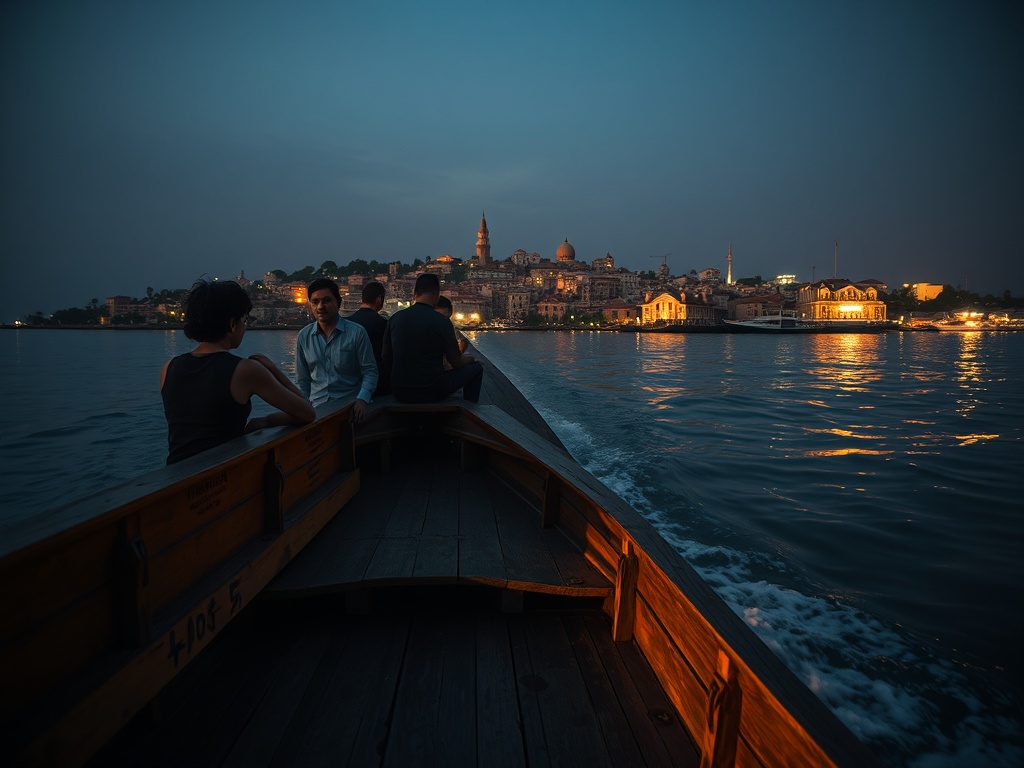
The afternoon sun glitters on the water between the ferry and Malé's skyline, and I think about how some things never really change. We were told that power would be distributed, that the old ways were ending. But watching the same patterns repeat, just with different names and titles, feels like watching the tide come in and out—the water moves, but the shoreline remains the same.
In the old days, we knew where the power sat. There was a clarity to it, even in its injustice. Now, the theft feels more distributed, more bureaucratic. The same public resources disappear, the same opportunities vanish into private accounts, but the process has been democratized among a wider circle. It's not one hand taking everything anymore, but many hands taking what they can, until the whole feels just as empty.
I watch young people gather at the harbor, their faces tight with the same frustration their parents knew. They talk about jobs that don't exist, housing they can't afford, a future that feels like it's being sold off piece by piece. The names change on the office doors, but the outcomes feel hauntingly familiar. The system has learned to wear different masks, to speak new political languages, while its hunger remains unchanged.
What lingers isn't just the unresolved hurt from the past, but the growing realization that we've swapped one form of extraction for another. The methods have modernized, the justifications have been updated, but the fundamental relationship between those with power and those without feels eerily consistent. We're still watching resources meant for everyone disappear into private hands, still seeing public trust treated as personal opportunity.
The real tragedy isn't that things haven't improved—it's that we've perfected the art of changing everything while changing nothing at all.
— Source fragments: anyone who is appointed to anything stealing from the public as much as our monarchs did... ultimately nothing changed. The power just got distributed in name