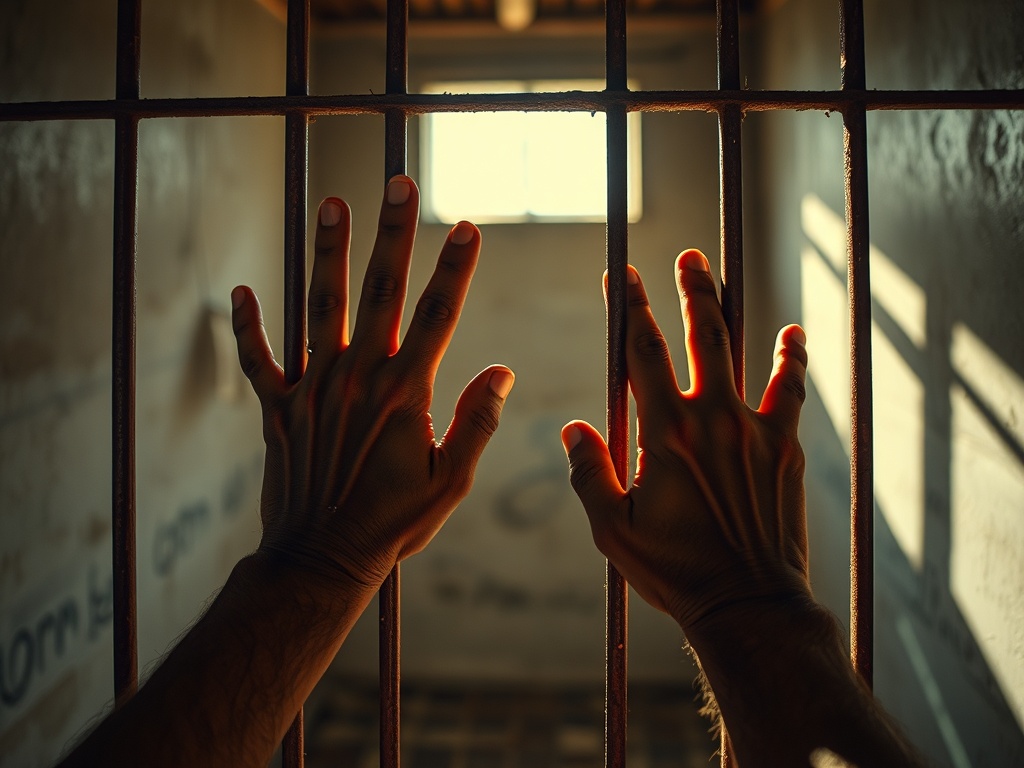
When Prison Bars Separate More Than Just Bodies
The conversation around indefinite detention often centers on legal frameworks and procedural rights, but there exists a quieter, more human dimension that demands equal attention: the profound isolation from family and loved ones that compounds the injustice of confinement without proof or sound case.
This separation creates a dual punishment—not just the loss of freedom, but the severing of essential human connections that sustain dignity and hope. The emotional toll on both detainees and their families represents a psychological burden that lingers long after any potential release, creating scars that transcend the immediate legal circumstances.
In societies where family bonds form the bedrock of social structure, this enforced isolation represents a particularly cruel form of punishment. The inability to share moments of joy, comfort during distress, or simply maintain the rhythms of normal relationships creates a void that legal arguments alone cannot fill.
The stories that emerge—whether through formal channels or whispered accounts—reveal patterns of emotional devastation that extend far beyond the individual detainee. Children grow up without parents, spouses navigate life alone, and elderly parents endure their final years without the comfort of their children's presence.
What makes this separation particularly troubling is its arbitrary nature. When detention occurs without clear evidence or proper judicial process, the accompanying isolation feels equally unjustified—a collateral damage that receives far less public scrutiny than the legal technicalities of the detention itself.
This aspect of the detention debate deserves greater prominence in public discourse. While legal reforms remain essential, addressing the human cost of family separation requires a parallel conversation about visitation rights, communication access, and the recognition that even those detained maintain fundamental needs for human connection.
The silence surrounding this issue often stems from the invisible nature of the suffering. Unlike court proceedings or political debates, the quiet despair of separated families rarely makes headlines. Yet this very invisibility makes the need for awareness more urgent—the stories of those waiting, worrying, and wondering deserve to be heard alongside the legal arguments that dominate the public discussion.
As societies grapple with security concerns and legal processes, preserving human dignity must remain central to any detention framework. The bonds between individuals and their loved ones represent not just personal relationships, but the very fabric of community that any justice system ultimately exists to protect.
— Source fragments: Setting aside the inhumanity of imprisoning someone indefinitely with no proof or sound case, adding to that the fact that some of these people are isolated from meeting their loved ones is a layer which needs to be spoken about more