When Religious Debate Fills Maldivian Social Media Feeds
In the digital spaces where Maldivians gather to debate their future, a recurring conflict emerges—one that pits religious obligation against personal choice, state authority against individual conscience. The arguments echo through comment threads and social media platforms, reflecting a society grappling with questions that have simmered beneath the surface for generations.
At the heart of these discussions lies the tension between religion as personal faith and religion as state doctrine. When one participant asserts that "Islam is also a religion. Not a State," they touch upon a fundamental question about the relationship between faith and governance in a nation that is constitutionally 100% Muslim. This perspective challenges the assumption that religious principles must necessarily translate into state enforcement.
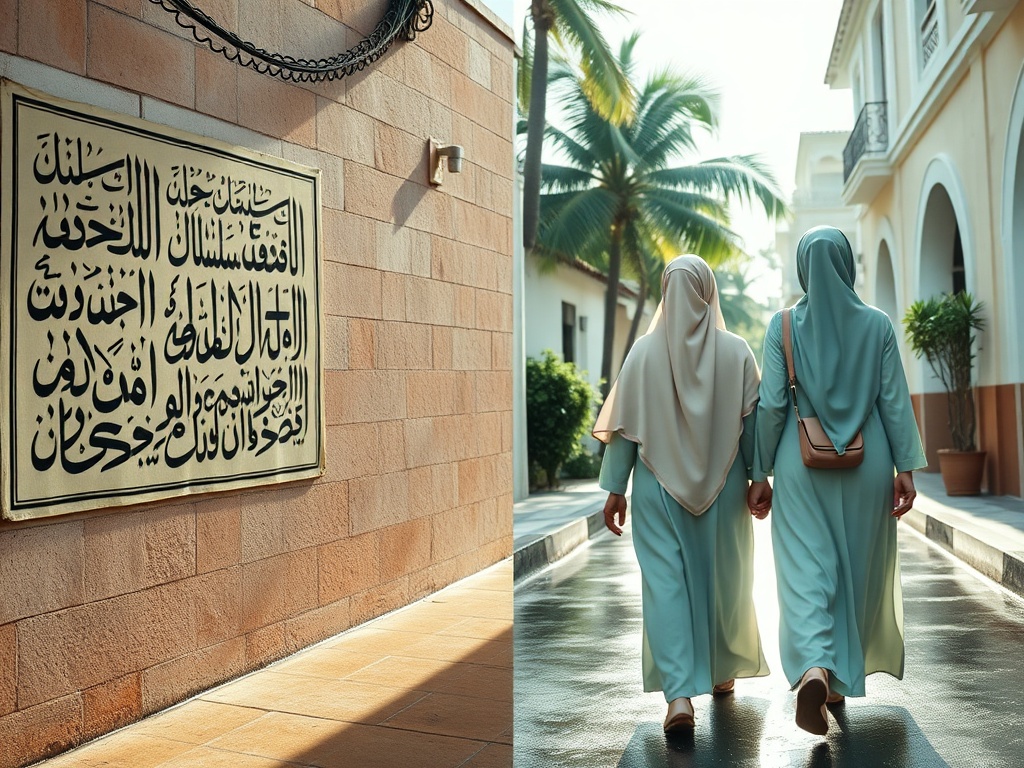
The debate often crystallizes around specific practices, particularly women's clothing choices. The argument that obligation should be "fulfilled by women with the intention of fulfilling that obligation" centers choice as a religious value in itself. This position questions why external enforcement should replace personal devotion, noting ironically that while "we do not have priests in Islam," some advocates speak with similar authority.
Historical references surface repeatedly in these exchanges, with participants pointing to Islamic empires and historical precedents to support their positions. Yet these historical arguments often lead to accusations of selective interpretation—of seeing Islam "as what you want it to be" rather than as it is. The charge of apostasy leveled against fellow Muslims draws particular criticism as contrary to Quranic teachings about judging others' faith.
What makes these discussions particularly poignant in the Maldivian context is how they mirror broader societal tensions. In a nation facing economic pressures, housing shortages, and governance challenges, debates about personal religious expression sometimes serve as proxies for larger questions about individual rights, state authority, and cultural identity. The intensity of these exchanges reflects the high stakes involved when faith intersects with daily life in a small, closely-knit island nation.
The persistence of these debates suggests they touch on unresolved questions about how a modern Muslim society balances religious tradition with individual autonomy. As one participant notes in frustration, the conversation often reaches an impasse when positions harden and dialogue gives way to defiance. Yet the very existence of these discussions—however heated—indicates an ongoing negotiation about the role of faith in public and private life.
In a country where political discourse often focuses on concrete issues like corruption, foreign relations, and economic management, these religious debates represent a parallel conversation about the soul of the nation. They reveal a society wrestling with how to honor its Islamic heritage while making space for diverse interpretations and personal choices—a challenge that continues to shape the Maldives' evolving identity.
— Source fragments: Islam is also a religion. Not a State; let that obligation be fulfilled by women with the intention of fulfilling that obligation; Why is it so hard for you to understand choice?; We do not have priests in Islam, yet, why do you advocate like one?; Not very muslim nor following Quran / Hadhith of you to call other muslims as apostates; See Islam as it is. Not as what you want it to be