When Simple Choices Become Political
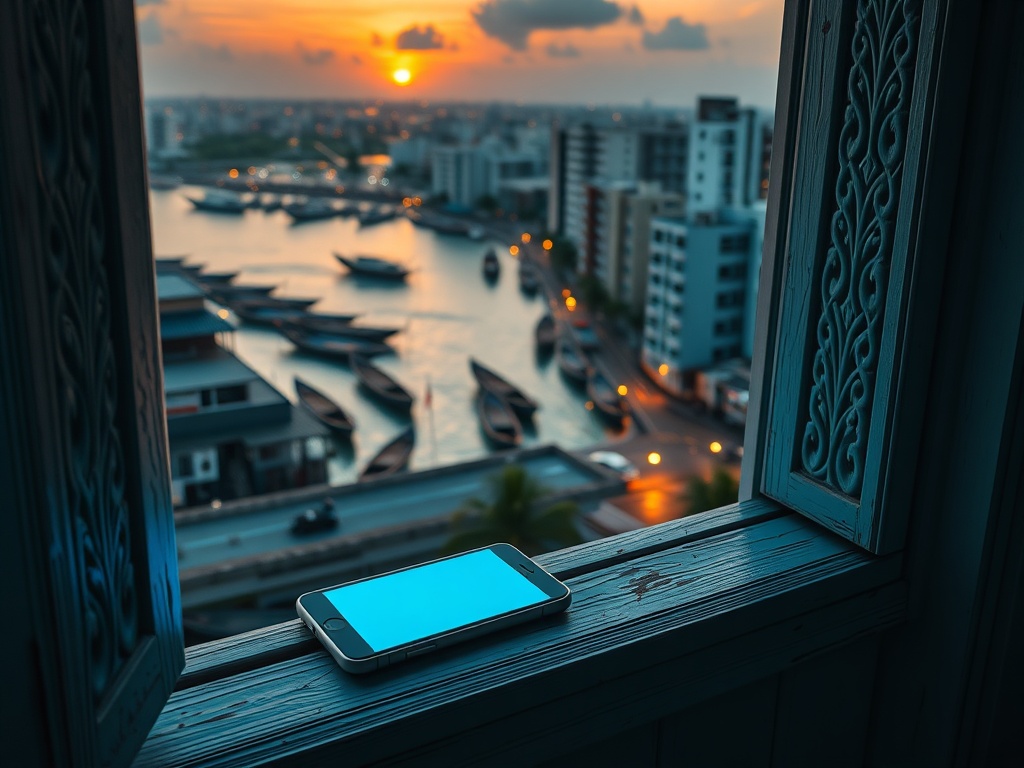
The phone screen glows in the dim light of a Malé evening, the sea breeze carrying the scent of salt and diesel through the open window. Scrolling through these fragments of digital conversation, I'm struck by how our daily realities have become layered with invisible weights. Someone mentions people drinking Coca-Cola while starving, and suddenly a simple beverage becomes a political statement. Another talks about debit cards and online shopping as if these were revolutionary acts.
Here in the Maldives, we understand this duality well. The tourist sipping champagne at a resort while just across the water, families navigate rising costs and housing shortages. The foreign worker sending remittances home while local youth struggle to find work. These parallel existences have always been our reality, but now they feel amplified, digitized, broadcast across screens.
What does it mean when ordering from Amazon becomes an act of defiance? When deleting an app feels like taking a stand? We live in a world where our smallest choices—what we buy, what apps we use, even what mortgages we consider—carry echoes of larger conflicts. The sea that surrounds us has always separated and connected different worlds, but now our digital lives create new divisions and unexpected solidarities.
The warmth of the evening settles around me as I think about how we navigate these complexities. We Maldivians have long understood living between worlds—between tradition and modernity, between local needs and global connections. Perhaps that's why these digital fragments feel so familiar. They're just the latest version of the careful balancing act we've always performed, where every choice, no matter how small, ripples through the complex web of our interconnected lives.
— Source fragments: How far we have strayed from reality... think twice before using their own debit card... you can delete the phone app