When Surviving Malé Means Choosing Between Rent and Rice
The conversation around privatization in the Maldives often centers on macroeconomic theory and political ideology, but for residents of Malé, the debate feels increasingly disconnected from their daily reality. When people repeatedly ask how anyone survives in the capital on current salaries, they're not posing an academic question—they're describing an economic environment where theory has diverged dangerously from lived experience.
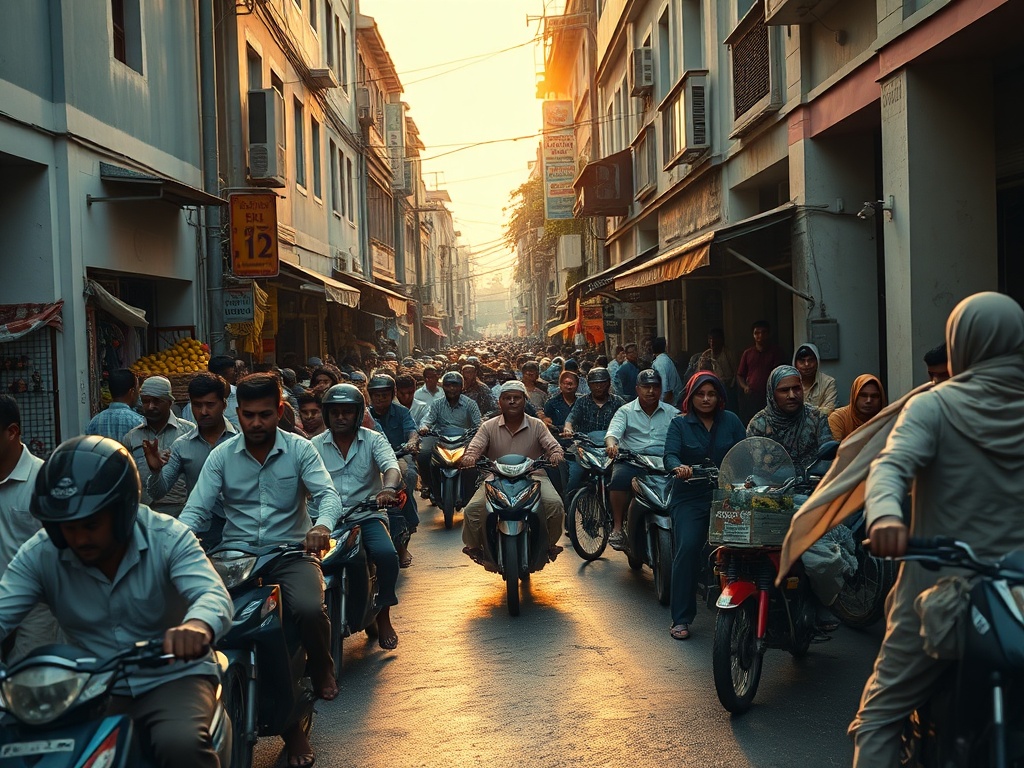
Across Malé's densely packed streets, the mathematics of survival grows increasingly complex. The high cost of living, driven by import dependency and monetary policy, collides with stagnant wages to create a pressure cooker environment. Families navigate this through elaborate support networks, multiple income streams, and constant financial juggling. The question isn't whether privatization will improve efficiency, but whether any economic reform can succeed without first addressing this fundamental disconnect between income and expenses.
The call for an environment that fosters SME growth before further privatization reflects a deeper understanding of economic sequencing. A healthy private sector requires more than just transferring public assets—it needs a foundation of viable businesses, adequate consumer purchasing power, and functional market mechanisms. When people struggle to afford basic necessities, the customer base for small and medium enterprises shrinks, creating a vicious cycle that undermines the very private sector development that privatization is meant to advance.
This economic squeeze manifests in tangible ways throughout the capital. The housing crisis forces families into overcrowded living conditions, while the healthcare system's limitations mean medical expenses can devastate household budgets. The expatriate workforce, while filling labor gaps, creates additional pressure on housing and resources without necessarily raising local wage levels.
The repeated questioning of survival in Malé represents more than just economic anxiety—it's a fundamental challenge to the assumptions underlying current policy discussions. If people cannot live decently on their incomes, how can we expect a privatized economy to thrive? The sequencing matters: first create the conditions where businesses can grow and workers can afford to participate in the economy, then consider ownership structures.
What emerges from these concerns is not opposition to private enterprise, but rather a call for thoughtful economic development that builds from the ground up. The focus should shift from who owns assets to how we create an ecosystem where businesses of all sizes can flourish, where workers earn living wages, and where economic growth translates into improved quality of life rather than just abstract indicators.
The survival question hanging over Malé serves as a crucial reality check for economic policymakers. Before we debate the finer points of privatization, we must first ensure that the basic economic foundation—the ability of citizens to live and work with dignity—is firmly in place.
— Source fragments: At this state, further privatisation doesn't fix anything. We need a proper environment that fosters SME growth first so we have a well running private sector to begin with; I wonder, how do ppl survive in Male' with those salaries?