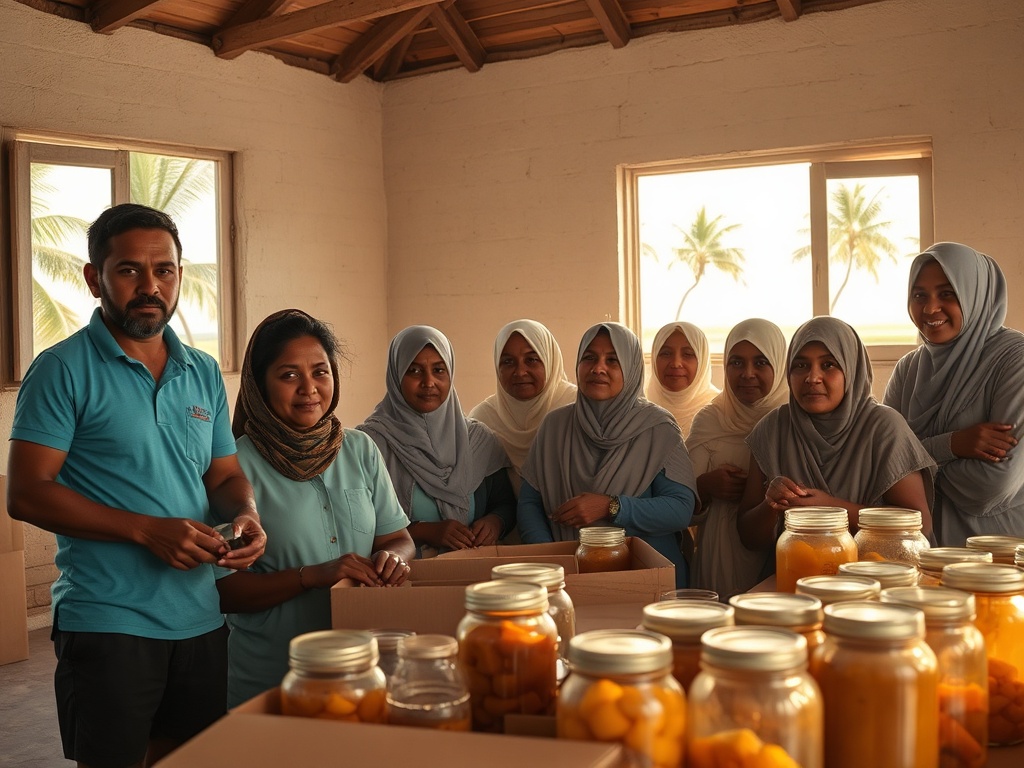
When the Helped Become the Helpers
There's a particular resonance when personal history becomes public mission. Across communities, individuals who once navigated the sharp edges of financial insecurity are now building bridges for others to cross over. This transformation from recipient to provider represents one of the most powerful shifts in modern philanthropy.
The journey often begins in the quiet spaces of childhood memory—watching parents calculate remaining rupees, seeing the tension in a caregiver's shoulders when bills arrived, understanding scarcity before understanding abundance. These formative experiences plant seeds that later blossom into action. When someone who has known need creates systems to address it, they bring an intimate understanding of both the practical requirements and emotional landscape of hardship.
Today's charitable initiatives increasingly reflect this lived-experience approach. Rather than distant, top-down aid, they operate with the granular understanding that comes from having been there. The focus shifts from mere distribution to genuine empowerment, from temporary relief to sustainable support.
This evolution in giving reflects broader changes in how communities conceptualize mutual aid. The traditional model of charity as obligation or duty is giving way to something more organic—a recognition that supporting neighbors strengthens the entire social fabric. When individuals who've experienced struggle lead these efforts, they bring credibility and insight that resonates deeply with both donors and recipients.
The most effective initiatives understand that assistance must preserve dignity while addressing need. They recognize that the line between helper and helped is often temporary circumstance rather than fundamental difference. This awareness shapes everything from program design to communication tone.
As these purpose-driven projects gain momentum, they create ripple effects beyond their immediate impact. They demonstrate that personal history need not dictate future trajectory—that the very experiences that once constrained possibilities can become the foundation for expanding them for others. They transform private memory into public good, individual struggle into collective strength.
In an era of increasing economic uncertainty, these grassroots efforts represent more than just charity—they're practical expressions of community resilience, proof that our most difficult experiences can become our greatest contributions.
— Source fragments: I grew up wishing someone would help my family when we struggled. Today, I’m building something to help others. Yumdices will donate 1,100 jars with your support.