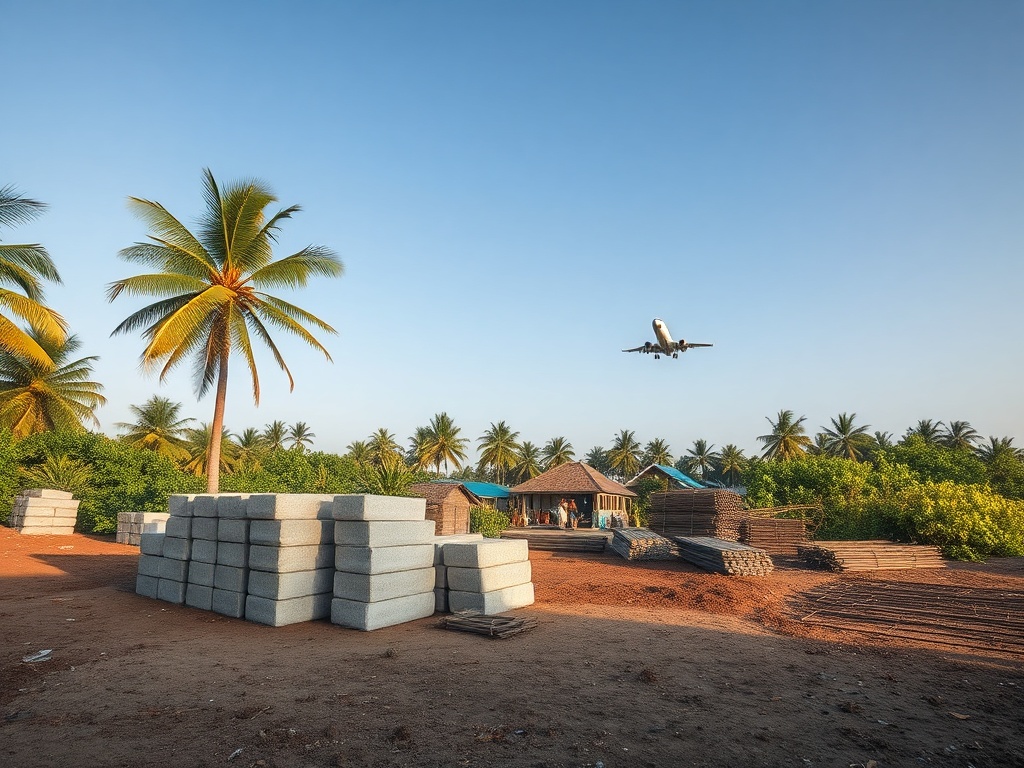
When the Money Runs Out
The message comes through, casual and cutting: 'can be done if there is money left after councilors Bangkok trips...' It’s a sentence that hangs in the humid air, heavy with a truth we all know but rarely speak aloud. Here, on our small islands, where the sea licks at the edges of our lives, we measure progress not in grand announcements but in what gets built, what gets fixed, what gets finished.
We watch the ferries come and go, the same as always, while the talk in the coffee shops turns to who is traveling where, and on whose budget. There’s a particular kind of weariness that sets in, a salt-tinged resignation. You see it in the way a fisherman mends his net, his movements slow and practiced, knowing the real catch is often made in air-conditioned rooms far from the sound of the waves. The promise of a new community center, a repaired jetty, a better rainwater collection system—these things become conditional. They live in the shadow of a return flight from Bangkok.
It’s not just about the money, though the lack of it is a physical ache in a community. It’s about the hierarchy of need. The feeling that your immediate reality—the crumbling seawall, the overcrowded classroom—is a secondary concern, a line item to be addressed only after the passports have been stamped. The laughter that follows that comment isn't joyful; it's the dry, ironic chuckle of people who have seen this play out before. The hope doesn't die; it just learns to wait, watching the horizon for signs of a different kind of return.
— Source fragments: can be done if there is money left after councilors Bangkok trips...