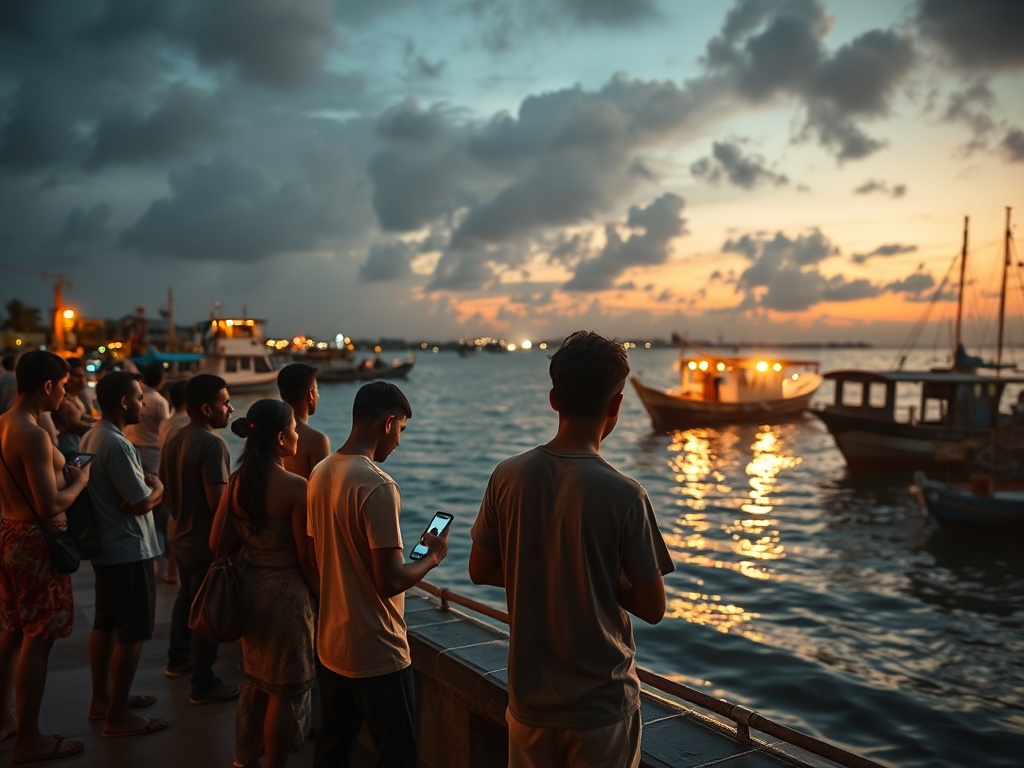
When the sea gets rough, we see what washes ashore
I saw the photo circulating on my phone screen, then quickly closed the app. Not because of shame, but because I knew what would follow. The comments, the whispers at the tea shop, the way this story would twist until the person disappeared and only the politics remained.
We live on islands small enough that everyone knows your cousin's neighbor's uncle. Yet somehow, we've learned to weaponize that intimacy. When someone speaks up, we don't debate their ideas—we search for what might break them. The phone seizure, the leaked image, the immediate accusations from both sides. It's become our new normal.
They tell us youth advocacy has political agendas. They say we're just pawns for someone else's interests. But I watch my friends—the ones who actually care about education reform, about drug prevention programs, about creating jobs that don't require leaving our islands. They're not thinking about which party benefits. They're thinking about whether they'll have a future here at all.
When foreign partnerships get mentioned, the conversation immediately turns to who's controlling whom. The Indian collaboration announcements, the 'blue-haired liberal' accusations—we're constantly being told our thoughts aren't really ours. That our concerns are just imported ideologies.
Meanwhile, the flats meant to solve our housing crisis go to people who don't even live here. The medicines run out at the hospital. The ferries get delayed. And we're supposed to believe the real problem is whether a young activist had the right politics.
I stand at the harbor sometimes, watching the sea change colors as the sun sets. There's a resilience in these waters that we've inherited. We know storms pass. We know how to rebuild after rough weather. But this constant tearing down of anyone who tries to speak—this feels different.
Maybe the real hypocrisy isn't in youth having political opinions. Maybe it's in a system that would rather attack the messenger than address the message. When we focus so hard on finding cracks in each other's ideals, we miss the cracks in our own foundations.
The sea will always be rough sometimes. But we're learning that the real danger isn't the storm—it's forgetting how to build shelters for each other.