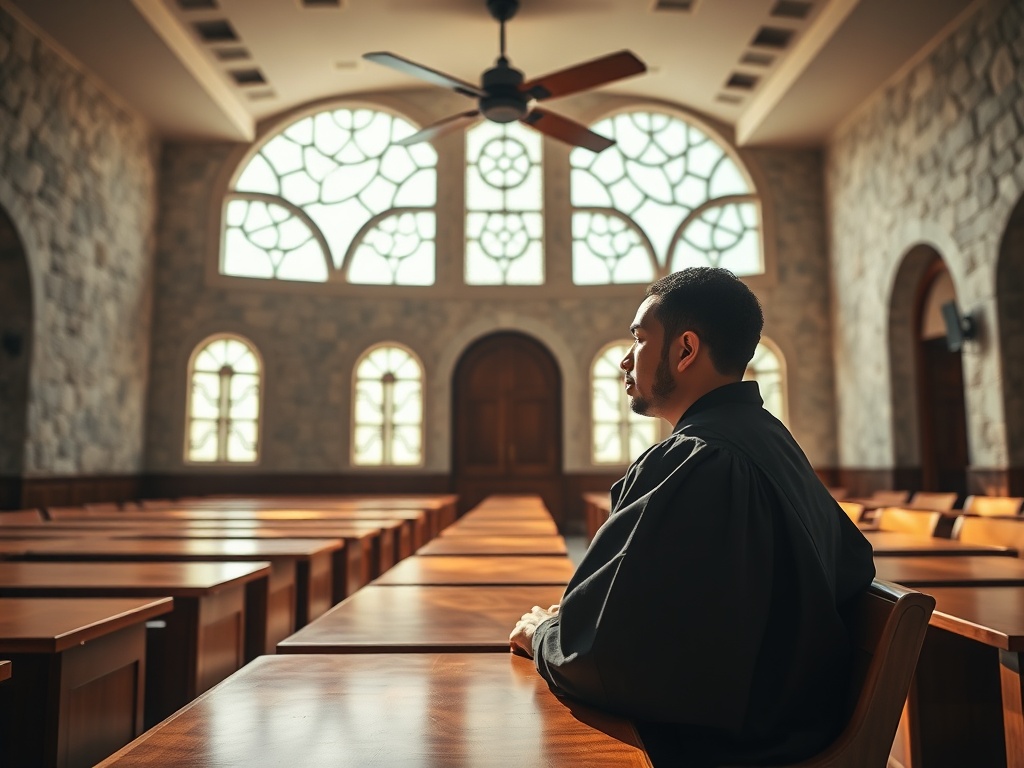
When the State Sits Across From You in a Maldivian Courtroom
In the intricate legal landscape of the Maldives, the relationship between individual rights and state authority remains a subject of ongoing public discourse. The conversation touches on fundamental questions about justice, accountability, and the balance of power within the nation's governance structures.
Recent discussions have highlighted the evolving nature of legal challenges facing the region, with law enforcement agencies navigating complex international dimensions while addressing domestic concerns. This backdrop sets the stage for deeper questions about how justice is administered and who holds the power to initiate legal proceedings.
The concept of prosecution immunity for high-ranking officials raises important constitutional questions. While the president may enjoy certain protections during their term, the broader mandate of the state to bring charges on behalf of the public interest remains a cornerstone of the legal system. This creates a framework where the state acts as both arbiter and potential litigant in matters ranging from criminal offenses to municipal damages.
For ordinary citizens, the path to legal recourse often begins with complaints to appropriate authorities, yet the system's complexity can create barriers to access. The question of who gets to define victimhood and assign responsibility underscores deeper philosophical tensions within the justice system. When allegations emerge, the very definition of victim and perpetrator becomes contested ground, with families and communities often drawn into these complex determinations.
At the individual level, the right to self-defense in legal proceedings represents a fundamental protection. The ability to speak in one's own defense, to clarify intentions and refute allegations, remains a crucial safeguard against wrongful accusations. This principle stands as a counterbalance to state power, ensuring that individuals maintain voice and agency within the legal process.
As the Maldives continues to develop its legal institutions, these questions take on renewed significance. The intersection of political power, individual rights, and state authority creates a dynamic environment where the rules governing legal proceedings are constantly being tested and refined. The system must balance the need for order and accountability with protections for individual rights, all while adapting to changing social norms and international standards.
The ongoing dialogue reflects a society grappling with how to maintain fairness and transparency in its legal frameworks. As citizens become more engaged with these issues, the conversation evolves beyond specific cases to address systemic questions about how justice is conceived, administered, and experienced by all members of society.
— Source fragments: The discussions centered on the changing nature of crime; prosecution immunity whilst in term; mandate of the state to make charges; common person can make a complaint; existence of a victim presupposes existence of an abuser