When Veteran Recognition Signs Came Down, Bigger Questions Surfaced
The removal of veteran recognition signage from public transit sparked immediate outrage, but the conversation quickly revealed deeper concerns about military accountability and national security in the Maldives. The initial frustration over what many saw as disrespect toward those who served their country opened a broader discussion about the military's role in contemporary Maldivian society.
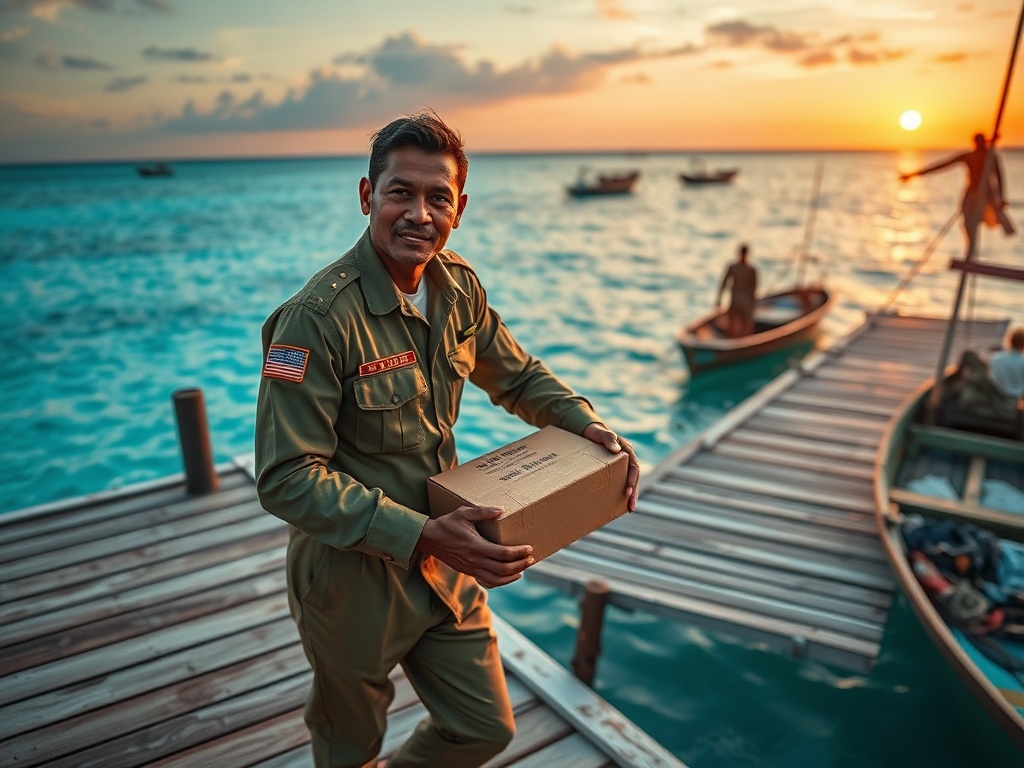
Critics argue that the real issue lies not with the hardworking soldiers stationed across the archipelago, but with the chain of command that directs them. This distinction is crucial in a nation where military personnel are often seen unloading and distributing essential supplies like drinking water in islands like Fuvahmulah—demonstrating their vital role in daily life beyond security operations.
The shadow of past political violence looms large in these discussions. References to the attempted assassination of former President Nasheed surface as reminders of how quickly state security apparatus can be turned against political figures. This history fuels public anxiety about whether current security frameworks adequately protect citizens from potential abuses of power.
Security operations face particular scrutiny regarding their ability to distinguish genuine threats from ordinary citizens. Fishermen, who form the backbone of many island communities, express concern about being misidentified as security risks during maritime operations. These fears reflect a broader tension between security imperatives and the rights of citizens going about their lawful livelihoods.
What emerges is a complex portrait of a society grappling with how to honor military service while demanding accountability from military leadership. The conversation reveals a public that respects the individuals serving in uniform but questions the systems and commanders directing them. This nuanced perspective suggests Maldivians want both strong national security and robust protections against potential overreach.
As the nation navigates these competing priorities, the dialogue continues to evolve—balancing gratitude for service with insistence on transparency, honoring sacrifice while ensuring that security measures protect rather than threaten the populace they're meant to serve.
— Source fragments: Veteran signage removal, criticism of military command structure, distinction between soldiers and leadership, security operations and civilian protection concerns