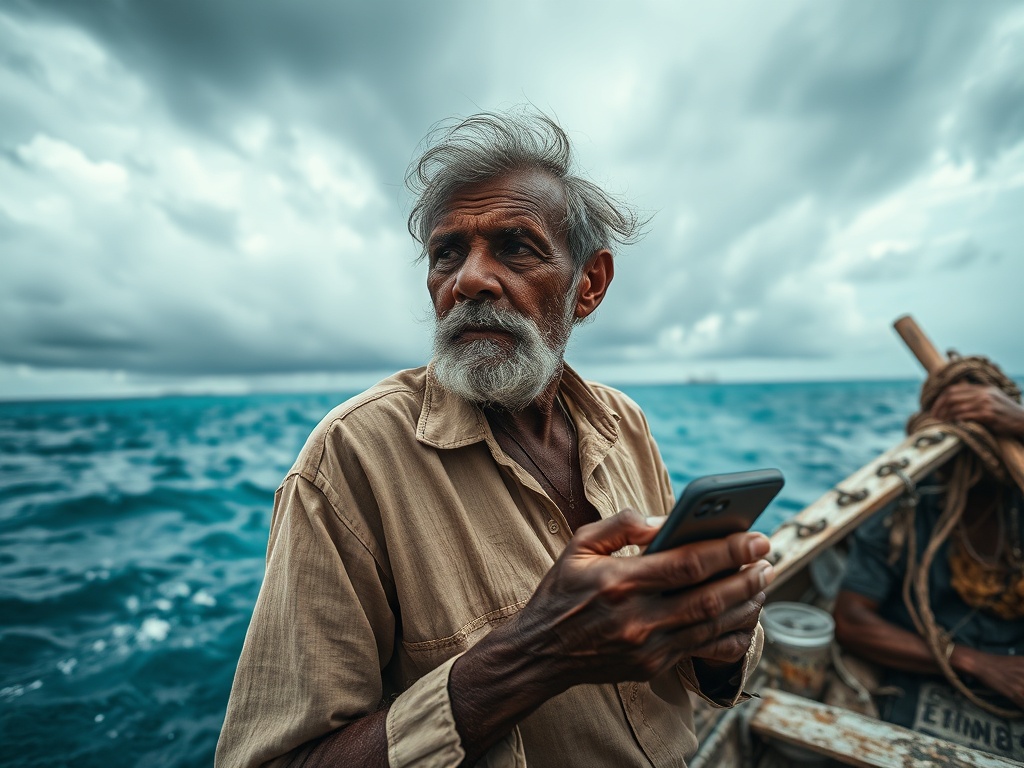
When Weather Becomes Political
The white alert for Laamu Atoll appeared like any other—a routine notification of potential weather changes, the kind that fisherfolk check before heading out to sea, that mothers glance at before sending children to school. Yet this ordinary meteorological update has become something else entirely: a battleground.
In the Maldives, we've learned to read more than just clouds. We read between lines, searching for hidden meanings in the most mundane communications. When someone suggests weather alerts might be compromised by politics, they're not just questioning meteorology—they're expressing a deeper anxiety about how everything becomes colored by our divisions.
I remember when weather was just weather. When the red alerts meant storms approaching, not political storms. When checking the forecast was about preparing for nature's whims, not deciphering institutional allegiance. The sea doesn't care about our politics—the waves crash with equal force regardless of who sits in the president's office. The wind blows through both PNC and MDP households alike.
Yet here we are, where even the atmospheric conditions become suspect. Where trust, that fragile commodity more precious than any resort revenue, erodes like our shorelines. The real tragedy isn't that someone might doubt a weather alert—it's that they feel they need to. That institutional credibility has become so brittle that even the most apolitical functions face scrutiny.
Perhaps what we're really monitoring isn't the weather, but the climate of our democracy. The white alert for Laamu becomes a metaphor for the thin line we walk—between normalcy and crisis, between trust and suspicion, between unity and division. The clouds may pass, but this unease lingers like the humidity after rain, settling deep in our national consciousness.
— Source fragments: "you are claiming the weather alerts are compromised by politics. check alerts from yesterday and day before. Laamu was on white alert"