When you call for help, they don't even file cases
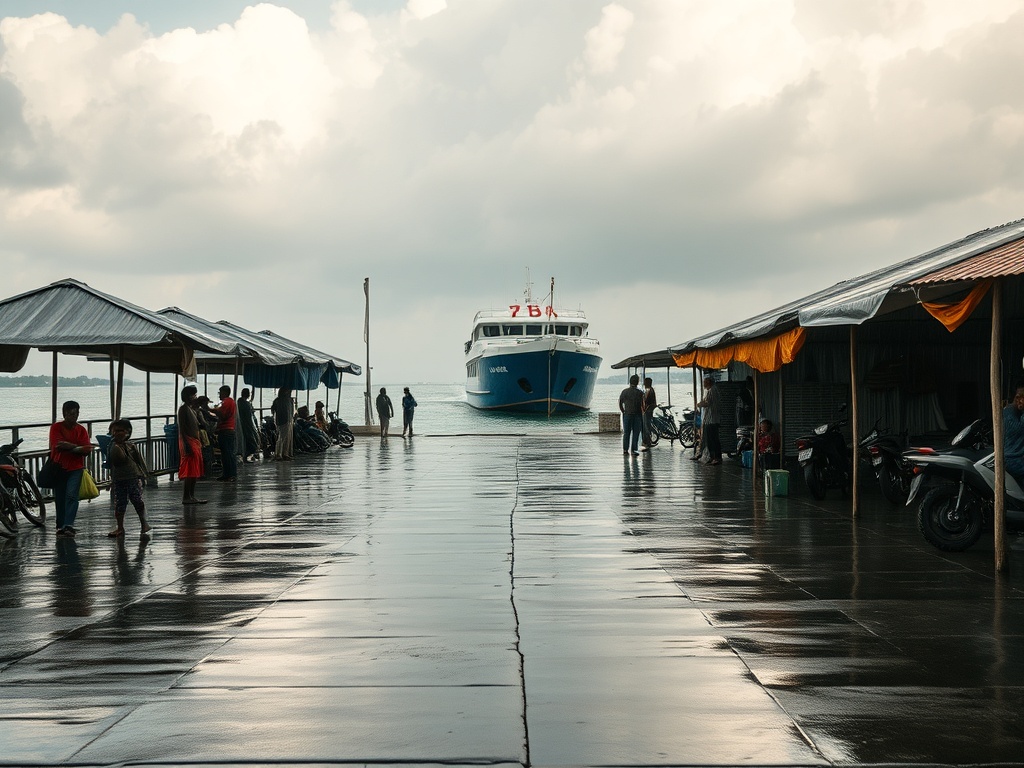
The rain starts just as the ferry pulls away from the harbor, and I'm standing here watching the water sheet across the pavement. There's a certain rhythm to life here that everyone understands — the ferry schedules, the monsoon patterns, the way the fish market smells at dawn. But lately, that rhythm feels off. Like a song played slightly out of tune.
Yesterday, my neighbor called 125 when some kids broke his shop window. They took his details, said they'd send someone. No case number, no follow-up. Just the same waiting we've grown accustomed to. Meanwhile, we hear about travel warnings and possible attacks, and you wonder — who's really looking out for us? Not the 10,000-strong police force we're paying for with our taxes. They seem to have other priorities.
There's a strange disconnect happening. We're told to be vigilant about tourist safety while our own daily safety feels neglected. We watch political dramas unfold on TikTok — presidents bullying neighbors, opposition figures forming new parties, the same corruption stories recycled with different names. It all feels like theater while the real work goes undone.
I stood at the harbor this morning watching the fishermen mend their nets. There's a patience to their work, a careful attention to each broken thread. They don't just throw the net away when it tears — they repair it, strengthen it. That's what we need from our institutions. Not more bodies, not more political appointments, but careful mending of what's broken.
The American travel warning mentions remote islands being vulnerable. We know this already — we live here. We know which ferries run late, which clinics lack medicine, which housing projects sit empty while families cram into single rooms in Malé. The vulnerabilities aren't secrets to us.
Sometimes I think about what equality really means here. When one man can call for shooting protesters while another waits weeks for a simple police report. When all lives are supposed to be equal, but some clearly matter more in the eyes of those who should protect us.
But here's the thing about living on islands — you learn resilience. You learn to patch your own nets when necessary. You find ways to smile through the frustration, to help your neighbor when institutions fail. The sea has taught us that much.
Maybe that's our real strength — not the institutions we build, but the community we maintain despite them. The way we still manage to laugh, to share a meal, to watch out for each other when the official systems don't. The fearless warrior spirit isn't in the politics or the police force — it's in the grandmother who shares her rice when rations run low, the young man who fixes the neighborhood water pump without being asked, the teacher who stays late when the school lacks supplies.
That's the Maldives I know — not the one in the travel warnings or political speeches, but the one that endures in the spaces between what's promised and what's delivered.