When Your Birthplace Decides Your Home
The conversation around housing in the Maldives has evolved beyond mere infrastructure development into a deeper examination of national identity and social justice. Across social media platforms and community discussions, Maldivians are articulating a vision where one's birthplace should not determine their right to secure housing where they live and work.
This sentiment challenges historical patterns of regional favoritism and calls for legislative action that ensures equal opportunity for all citizens. The demand transcends mere accommodation—it speaks to the fundamental right to belong, to put down roots in communities where individuals have built their lives, careers, and futures.
Recent government housing initiatives have prompted both optimism and skepticism. Supporters point to improved design standards and more thoughtful planning, with officials personally overseeing projects to ensure spacious layouts and comfortable living environments. The promise of home ownership—of having a place to call one's own for life—resonates deeply in a nation where housing security remains elusive for many.
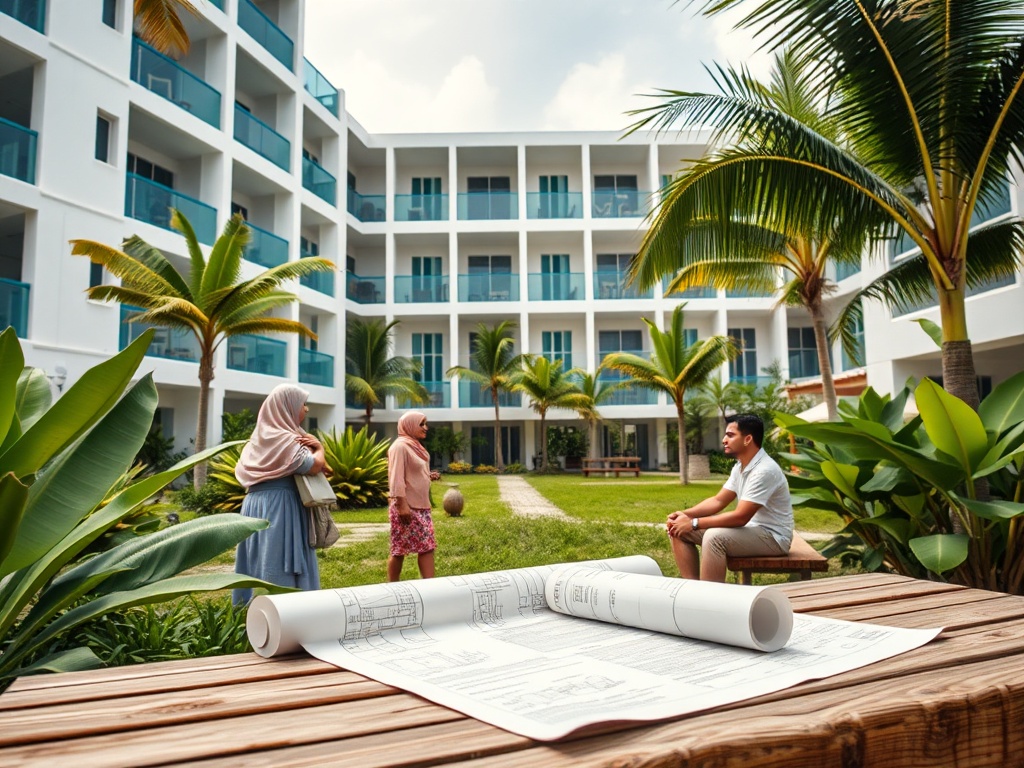
Yet critics question whether current approaches truly serve the public good. Some advocate for social housing models that would benefit broader segments of society rather than individual land allocations. They argue that well-designed apartment complexes with communal spaces—including gardens where residents can grow bananas and coconuts—could foster stronger communities while addressing housing shortages more efficiently.
The debate reflects broader tensions in Maldivian society between individual property rights and collective welfare, between traditional patterns of development and innovative approaches to urban planning. As one housing scheme supporter declared it a success "for all Dhivehin, not just Malé citizens," others caution against celebratory narratives that may overlook persistent inequities.
What emerges from these conversations is a consensus that housing policy must be measured not just by the number of units built, but by its ability to strengthen social fabric, promote inclusion, and honor the basic human need for stability and belonging. The challenge for policymakers is to create systems that recognize both the practical necessities of shelter and the profound psychological importance of having a place to call home.
As Maldivians continue this discussion, the underlying question remains: How do we build a nation where everyone has not just a roof over their head, but a genuine stake in the communities they call home?
— Source fragments: Equal opportunity housing demands, critique of current policies, descriptions of improved housing designs, social housing alternatives, emotional appeals about home ownership and community benefits