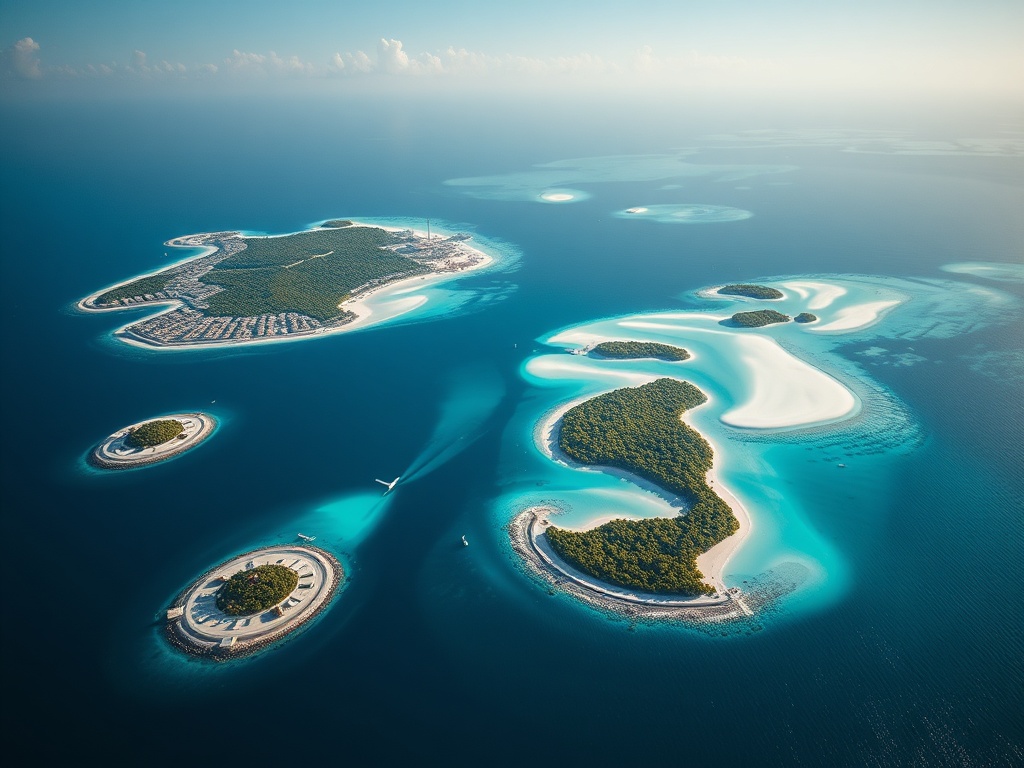
When Your Birthright Is a Plot of Land That Doesn't Yet Exist
The debate over land in the Maldives has become a mirror reflecting our deepest contradictions about ownership, entitlement, and identity. At its heart lies a fundamental tension between the romantic ideal of land as birthright and the practical realities of urban planning, economic sustainability, and national cohesion.
Across social media platforms and coffee shop conversations, Maldivians are grappling with what land represents in an archipelago nation where space is both abundant and scarce. The reclamation projects that created new territories were funded by collective national resources, yet the distribution of these lands often follows lines of geographic origin rather than citizenship. This has created a peculiar paradox where we demand socialist-style land handouts from the government while resisting capitalist regulations on how that land should be used.
The core philosophical divide emerges between those who view land as a commodity to be traded in open markets and those who see it as a fundamental right of residence. Proponents of freehold markets argue that any Dhivehin should be able to buy, sell, and settle anywhere in the country without artificial barriers. This vision of mobility and choice contrasts sharply with systems that tie land allocation to ancestral islands or place restrictions on secondary properties.
Practical concerns about implementation reveal deeper societal challenges. The specter of land being acquired not for residence but for speculation haunts these discussions. Proposed solutions include residency requirements, anti-speculation taxes, and mechanisms to prevent cost-shifting to tenants. Yet each regulatory approach faces the same fundamental question: how do we ensure land serves its primary purpose as shelter rather than becoming just another investment vehicle?
The valuation disparities between Malé and the atolls further complicate matters. A small plot in the capital can command millions while larger properties in the islands remain relatively affordable. This economic reality creates natural pressure points in any national land policy, forcing difficult conversations about equity, development priorities, and the very definition of fairness.
What emerges from these fragmented voices is not just a policy debate but a cultural moment of reckoning. We are collectively deciding what kind of society we want to build—one where geographic origins determine opportunity, or one where citizenship itself carries certain fundamental rights regardless of birthplace. The land question ultimately becomes a question about the nature of Maldivian identity itself, and whether our concept of home can expand beyond the coral walls of our ancestral islands to embrace the entire archipelago as our common inheritance.
— Source fragments: User voices discussed free land handouts, residency requirements, market-based approaches, historical precedents, valuation disparities between Malé and atolls, and philosophical positions on land as right versus commodity