When Your Constitutional Right to Move Meets a Closed Island Gate
In the scattered archipelago of the Maldives, a constitutional promise clashes with local reality. Article 28 of the Constitution guarantees every citizen the right to migrate to any inhabited island without restriction—a provision now at the center of heated national discourse.
The fundamental tension lies in the gap between legal entitlement and social acceptance. While the constitution frames internal movement as an absolute right, many communities practice forms of exclusion that create de facto barriers. The conversation has shifted from legal technicalities to questions of belonging, resources, and identity.
Critics argue that residency rights effectively function only for those with established connections to specific islands or the financial means to overcome bureaucratic hurdles. The debate reveals an uncomfortable truth: constitutional guarantees can be undermined by social and economic realities.
This discussion extends beyond migration rights to broader questions of citizenship. The concept of 'jus sanguinis'—citizenship by blood—has been invoked in public discourse to question who truly belongs where. This normative framework, while not formally part of Maldivian law, influences how communities perceive newcomers and define insiders versus outsiders.
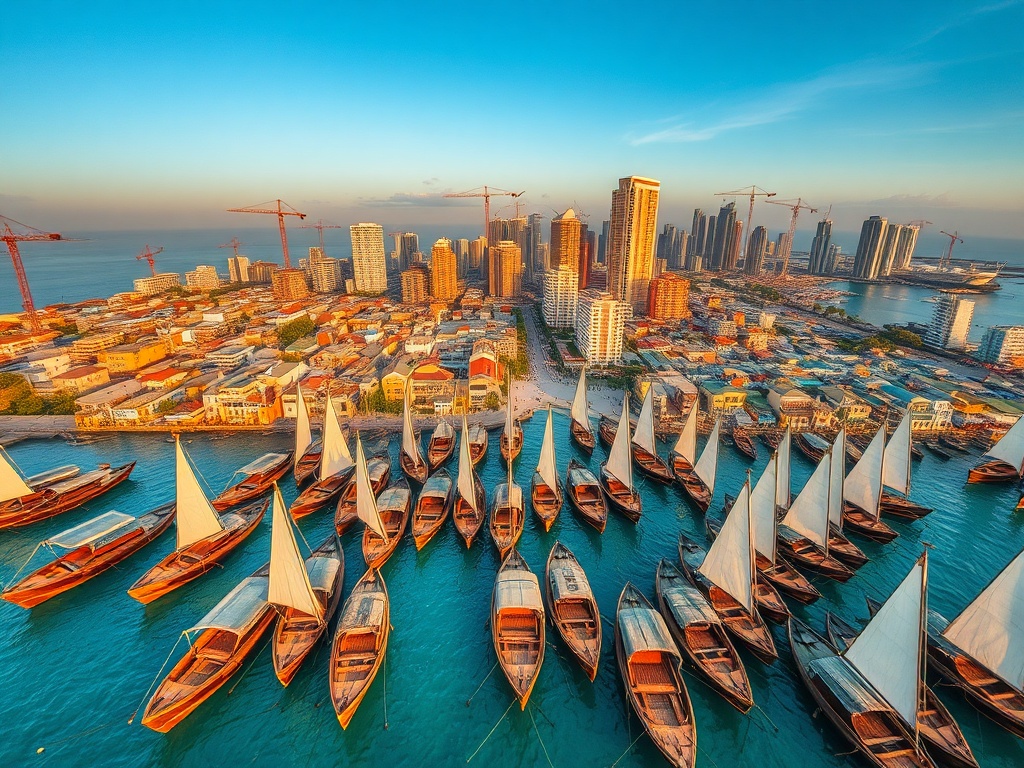
The capital city Malé represents the ultimate battleground in this conflict. As one observer noted, 'We all paid for the city through reclamation and infrastructure development,' raising the question of why some citizens feel like 'second-class citizens in our capital.' The massive investment in creating urban space contrasts sharply with restricted access for many.
Police conduct during recent incidents has further complicated the discussion. Video evidence showing heavy-handed treatment of citizens has prompted questions about whether law enforcement reflects constitutional values of human dignity or reinforces exclusionary attitudes.
The underlying issue reflects broader governance challenges. When constitutional rights exist primarily on paper, it creates a system where formal equality masks substantive inequality. This disconnect between legal framework and lived experience fuels public frustration and erodes trust in institutions.
As the debate continues, it touches on fundamental questions about what it means to be Maldivian in an increasingly interconnected yet fragmented nation. The resolution may require not just legal clarification but a broader societal conversation about inclusion, resources, and the meaning of citizenship in the 21st century.
— Source fragments: Constitutional right to migrate; criticism of unequal rights implementation; discussion of jus sanguinis concept; complaints about second-class citizenship status; police conduct concerns; tension between legal rights and social acceptance