When Your Permanent Address Is a Scarce Resource
The debate over land distribution in Maldives has evolved beyond simple binaries of who deserves what. At its core lies a fundamental tension between historical residency claims and the practical realities of a nation where land is both scarce and emotionally charged.
Critics of current policies argue that using permanent address as the primary criterion creates artificial divisions among Maldivians. The concern isn't about taking away land already distributed, but about ensuring future allocations don't discriminate against long-term Male' residents who've built lives in the capital. This perspective maintains that all Maldivians should have equal rights to build homes within the country's political boundaries, regardless of their island of origin.
The conversation reveals deeper complexities when examining how distributed land is actually used. Some point to cases where families strategically manage multiple plots—keeping some siblings on ancestral land while others move to newly allocated, often larger parcels. This practice suggests that wealthier landowners navigate the system more effectively, raising questions about whether land distribution truly serves those most in need.
A growing consensus suggests the problem isn't land distribution itself, but the conversion of residential land into rental income streams. When recipients use government-allocated land for commercial purposes while living elsewhere—whether in Male', Kuala Lumpur, or London—it defeats the policy's intended purpose of providing homes. This has led to calls for conditional land grants: properties must be used for actual residence, with unused land reverting to public stewardship.
The discussion echoes Islamic principles of land management, where the state acts as custodian rather than absolute owner, granting usage rights to citizens. This model emphasizes that land belongs to the community, with individuals given temporary stewardship for living purposes.
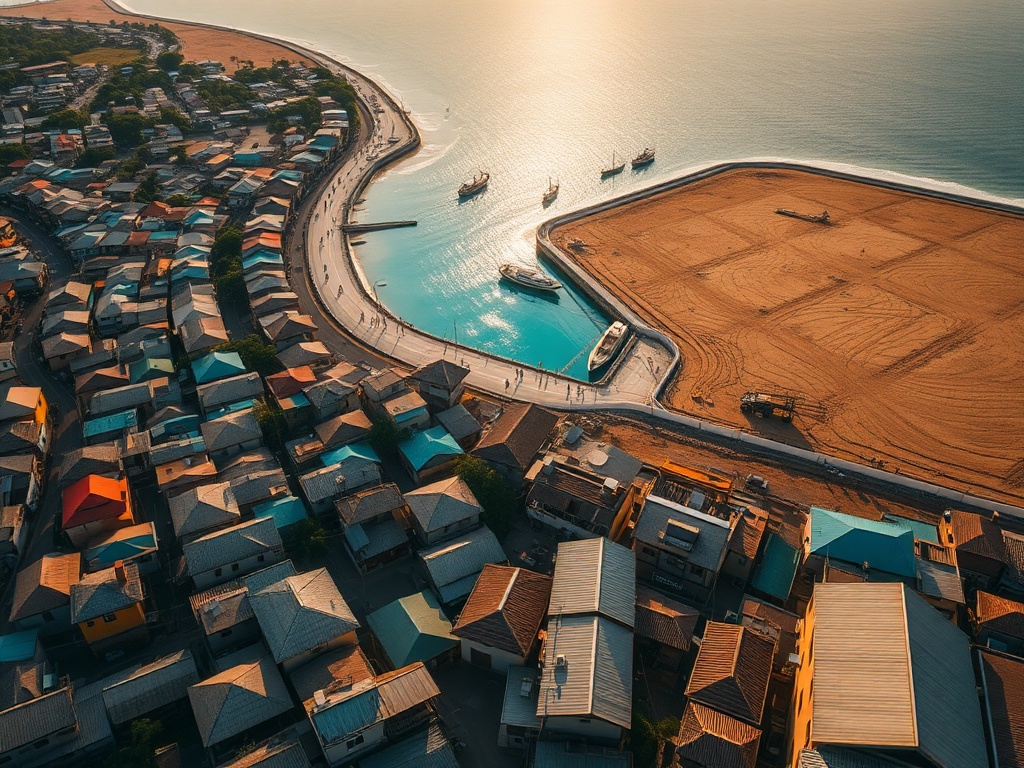
As Maldives continues reclaiming land from the sea, the opportunity exists to design more equitable systems. The challenge isn't merely technical but philosophical: how to balance individual housing needs with collective resource management in a nation where every square meter carries both practical and symbolic weight.
— Source fragments: Why is being in number 2 a problem? It's simply asking to not discriminate; If land is to be distributed, then it should be among all ravvehin, not based on dhaaimee address; The issue is using land given for living for generating rent money; Malè ppl, just like other Maldivians, have a right to build a home within the political boundaries of Maldives; What if everyone got land including you... you rent out the place to a guest house business, live comfortably in between KL, London, Male'; I believe land shall be given for free for people who need land to live. But with conditions